Smog and Sandstorms

Dave and I had plans today to explore the city. Suzhou recently opened its 3rd metro line, and it has made all sorts of local attractions easier to get to. We thought exploring the city and getting some more photos would be a grand way to spend the day…but then the smog came…

I realized while talking to my family this morning that many of the people back home can’t even begin to understand what pollution is all about and the many ways it impacts our lives here, so I thought it might make for an interesting article.

**Note** Very few pictures in this article will be my own…they’ve mostly been borrowed from the internet. If I did take the picture, I’ll indicate it in the caption
Our Global Pollution Problem

Pollution is a problem all over the world. In India, I saw unbelievable amounts of garbage on the road, and I brushed my teeth with bottled water to avoid getting sick from the tap water.

BN-OJ027_POLDET_G_20160607063315
The firework displays during Diwali this year set off the AQI scale to more than 1000 and put the country in a state of emergency. For comparison, Toronto’s current AQI is 17

Although much better than India and China, Vietnam also has some pretty terrible pollution problems. The number of motorcyles on the road leave your lungs pretty sore by the end of a day sight-seeing in HoChiMin City. Phu Quoc is also a giant dumping ground for garbage.

Even in the beautiful Caribbean, you can find all sorts of pollution issues. Water there is generally unsafe to drink, and although resorts do a good job of keeping their shores clean, the same can’t be said in other areas of the country.

Water Pollution image in Haina, Dominican Republic - water pollution images -2
This was taken in Haina, Dominican Republic

Pollution is a problem globally, there’s no doubt. I look forward to my time in Canada every year. The fresh air smells so fantastic, and even in the heart of Winnipeg, I’ve never smelt the tinny scent of PM2.5. Yet…where do you think this picture was taken?

First-Nation-in-Ontarios-Chemical-Valley-affected-by-pollutants
This is in Sarnia, Ontario, where First Nations residents in a nearby town are suffering from the effects of this pollution.

What I’m trying to say here is that pollution is an issue everywhere. If you’re lucky enough to never have seen anything like this with your own eyes, you are a minority on this planet and this is a case where being a minority is a good thing…
The Lingo

In Guizhou (the Chinese province where we lived prior to moving to Suzhou), the pollution isn’t so bad. That’s not to say the air was perfect there (because it’s such a poor province, many of the vehicles on the road are old and blow large amounts of black exhaust), but we never needed masks or felt like our health was at risk.

map
Guiyang is in the green zone in central China (the one surrounded by beige zones). Shanghai and Suzhou is in an orange zone.

In Suzhou, things are different. We are only about 100km west of Shanghai, so we get a lot of our pollution from the factories out that way. On a bad day, our AQI level will go up to 200 or occasionally 300. During the current sandstorm, we are sitting somewhere between 450 and 600 on the AQI scale. What exactly does that mean, you might ask?

mmexport1494048171224
This was today’s reading in Suzhou. 596 is the highest I’ve ever seen it here

AQI is the global term that indicates how clean the air is in any particular place. Air Quality Index becomes a very important part of your life when you live in a city with a pollution problem. Most people have apps on their phones that tell them whether they should wear a mask outside. I don’t use an app because I have an easier way to tell. Suzhou’s iconic Pants Building is within eyesight of my apartment. I make a point of looking out the window every day, and I can usually tell how bad the pollution is by how clearly I can see the pants building.

suzhou-pollution-2
Dave took these pictures last year. Today looks a lot like the picture on the right

Something else people are aware of here in Suzhou are the different KINDS of pollution. I’ll begin explaining this with a story…

Last year, one of my jobs as a teacher was to help students prepare for their IGCSE spoken exams. To do that, I met with students individually, gave them a topic and had them tell me what they could about that topic. The topic I chose one day was ‘The Environment’. One girl really impressed me, as she started rattling off different types of air pollution (PM2.5, PM10 etc.). I was FLOORED that she knew those terms. I had only lived in Suzhou for a few months at that point.

Now, these terms are part of my regular vocabulary. I frequently say things like ‘PM2.5 levels are brutal this week’, or ‘well this stand storm is mostly bringing in PM10 particles, which aren’t QUITE so bad’. All this ‘PM’ talk refers to the size of the particles. PM10 particles are slightly bigger, but equally as harmful as PM2.5. Both get trapped in your lungs and build up over time and both are linked to lung cancer, lung disease and even brain issues. Of course, living in China for a short-term period doesn’t mean that I’ll come home with lung cancer, but the elderly in China really do suffer.

The Effects

Pollution is more than just something you see on the news. It’s something that is real and it affects a large portion of the world on a day to day basis. Here are some of the ways it effects me:

  1. I sometimes need to wear a mask to go outside
  2. I constantly worry about the quality of air in my home and at work
  3. I spend hundreds of dollars every year on filters and machines designed to clean my air
  4. I have had a lung infection so bad that I needed to be on 4 different medications to get better. I was using an asthma puffer for 3 months after that infection.
  5. Colds last longer and are much more severe than they are elsewhere I’ve lived
  6. If I don’t ride my e-bike for a few days, I will get dust on my pants when I sit down.
  7. I dry my clothes in my bathroom because if I dry them outside, they’ll be dirty by the time I wear them again (most people in China don’t have clothes dryers)
  8. Hanging onto a railing as I climb up or down outdoor stairs will leave me with dirty hands.
  9. I go into coughing fits when I go to a country with clean air. My lungs literally try and eject the garbage that has built up over the months.
  10. After a particularly dusty day, I’ll wake up with build up in my eyes and a bit of a sore throat.
  11. When the PM2.5 is especially bad (usually in January or February), you can actually taste metal in the air.
  12. I often worry about the long-term health hazards of pollution. The obvious ones don’t worry me as much (lung cancer, emphysema etc.) but after recently discovering that PM2.5 is connected to alzymers disease, I’ve been in a constant state of worrying about the health of my brain.
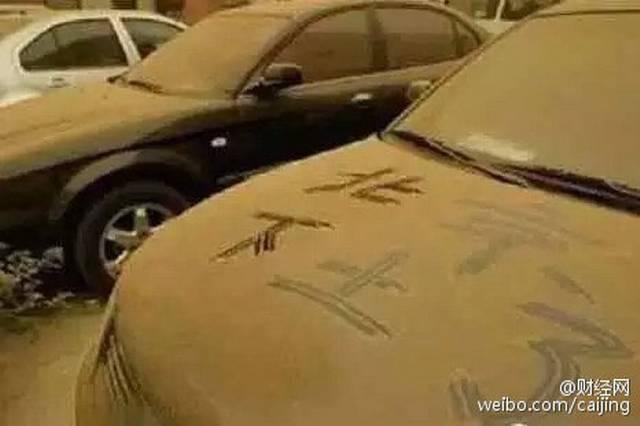
1gxEWn.So.91
You can always tell if a car in a parking lot hasn’t been driven in a while….the dust builds up over time. Similarly, it’s important to keep your apartment well maintained, because dust collects inside too

Pollution levels are a constant presence in my life. I need to know when they’re high so I can turn on my air purifier. I also need to know about the air quality so that I know when it’s appropriate for me to partake in one of my favourite pastimes: walking.

walking-burns-more-calories-than-you-thought

Since I was just a little girl, I’ve always loved walked. It started with walks around the block with my Pepere, and it evolved into walking my dog in the forest trails of St. Malo Provincial Park. When I moved to Guiyang, walking was one of the ways I dealt with the stress of living in such a difficult city. In Suzhou…taking a walk is off the table some days.


How We Get Through It

On days like today, we mostly stay indoors. At home, we have 2 air purifiers, so we definitely have those running while we’re in the apartment. My classrooms also have air purifiers, but unfortunately, my school doesn’t see an advantage to making sure our offices also have clean air. Air purifiers can be a bit pricey and they seem to become obsolete frequently, making it impossible to find a new filter for a device you purchased only 6 months before. Our solution has been SmartAir Purifiers…they’re a small company that make purifiers that work well, for only 600rmb (most other purifiers that do a decent job cost up to 5000rmb…). If you’re living in mainland China, check out their website. They’re well worth the money.


How This Effects YOU

If you’re reading this from Canada, you might be thinking that I’m crazy for choosing to live here. I know the risks, but I still take them. There are risks living in Manitoba as well. Hitting the ditch in a snow storm, or sliding into oncoming traffic during winter/spring is every bit as much of a risk as living somewhere where pollution is a problem. I check the PM2.5 levels the same as you check the temperature to know how many sweaters you should wear under your parka.

1
Seeing smashed up cars in Manitoba is normal. I was involved in 2 ice-related accidents in 2012 alone. I hate driving in Winter far more than I hate PM2.5

You may also be thinking that countries like China and India are poorly managed and that if they ‘got their acts together’, this wouldn’t be an issue. But let me ask you this….

Where are the majority of your ‘things’ made? The truth of the matter is that we export our pollution to China to cut costs. One of the reasons things are cheaper coming from China is because health and safety standards aren’t as big of a deal here….it’s something to think about before you shop at places like Walmart, Superstore or other ‘low cost’ chains. You’re paying 50 cents less, but the global environment is suffering.

Furthermore…we live in a very wasteful world. I recently got into a heated debate about the use of paper cups in the office. I think they should be banned, whereas other people really like their convenience. What’s important to remember is that by using disposable items (on a regular basis), you’re contributing to our landfill problems, as well as creating a need for more factories in the world. For more information on that, I found this nifty article written by Time Magazine called ‘Throwaway Living’. Be sure to check it out if you’re interested in the topic.
mmexport1493625925800
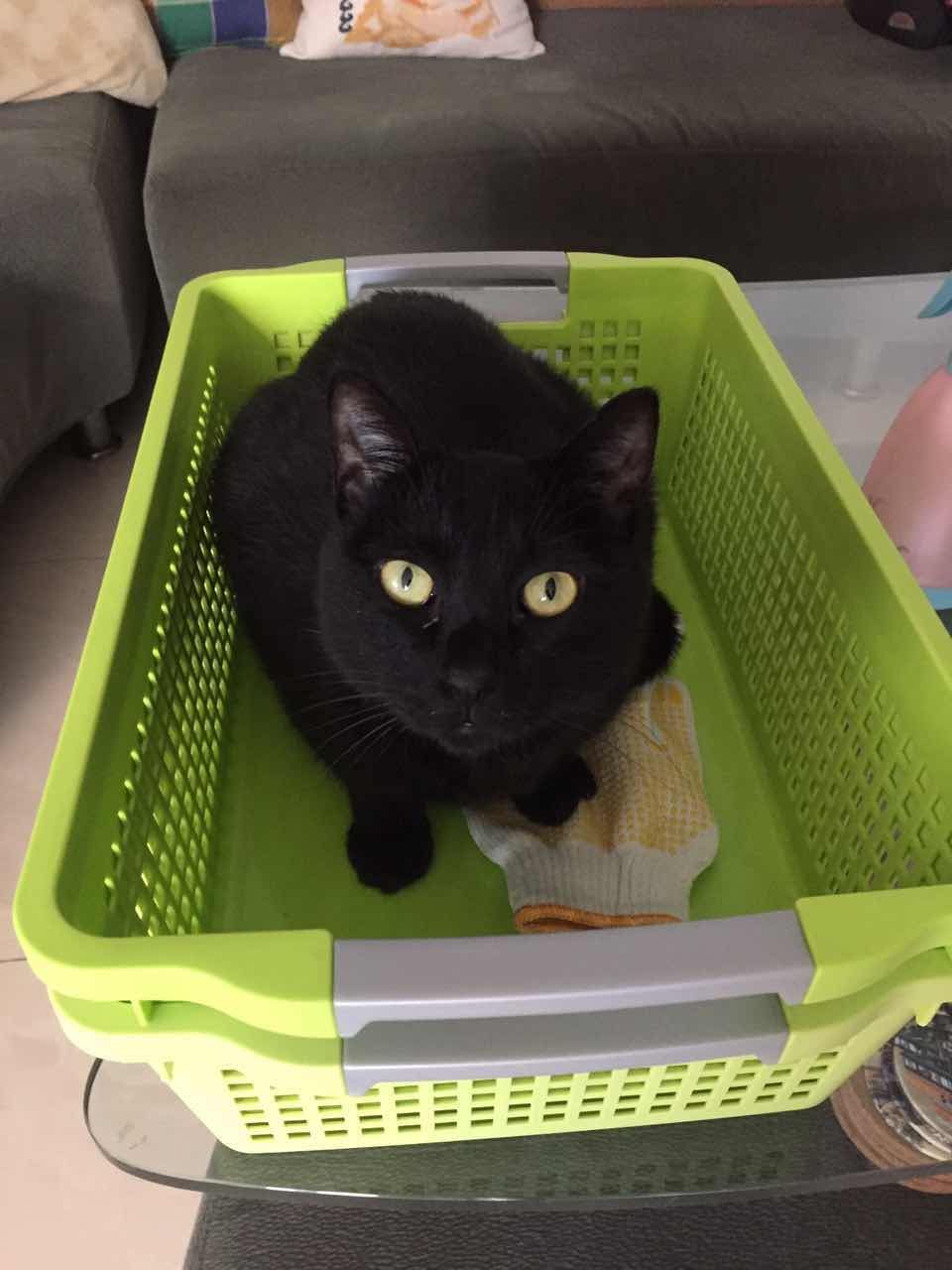
If hearing about this very sad state of affairs has depressed you, here is a picture of Poe to help you feel happy again.

PS..I know it’s been a while, but I have 3 posts in the works:

  • Our weekend in Seoul
  • Catching up on Life in Suzhou
  • Beautiful Suzhou (I’ve been on a picture taking mission lately)
Sun Sets & Sea Food – Our Week in Phu Quoc

After being on the road for 3 weeks, we decided to make our final week on holidays a relaxing one. There are plenty of beaches in the area, but we decided on Phu Quoc (pronounced “foo quack”) because of its (relatively) empty beaches and island allure.

img_7815
Try and resist this allure!

About Phu Quoc

Located just south of Cambodia, Phu Quoc is a Vietnamese island in the gulf of Thailand. Famous for its fish oil and pepper exports, Phu Quoc is an up and coming city in South East Asia.

Although the island still has a ways to go to reach Phuket-type status, it’s clear that the Phu Quoc is being developed. One of the main activities to do on the island is to explore by motorcycle. We spent several afternoons cruising around (which is how I got the wicked tan I’m now sporting!!) and we pulled over more than once to check out the resorts that are popping up all over the island.

We were told by one American man who now calls Phu Quoc home, that 80% of the island’s development has occurred in the last 2 years!! The hotel we stayed at only came up about a month ago, so we were two of the first people to stay in that bungalow!


The Problem with Phu Quoc

The Vietnamese government aspires to make this tiny island as popular of a tourist spot as Thailand’s Phuket, though I can’t imagine that happening in the near future. Because the island is developing so quickly, the city is haven’t a hard time keeping up with the changes. Garbage is a MASSIVE problem on the island, and more than once, our experiences in Phu Quoc were made less-awesome by the stink of rotting food or the sight of fighting rats. If Vietnam is going to succeed in making this place another Phuket, they need to get a handle on these issues, and quickly!!


To Do in Phu Quoc

I have to admit, there isn’t a tonne to actually DO in Phu Quoc. We spent a day snorkeling, which was alright, but nothing compared to the Caribbean. We visited a park and we did some geo-caching, but as far as activities go, there isn’t a lot set up yet.

We found some ‘ruins’ on Dave’s e-map that we decided to check out. The ruins themselves weren’t all that interesting, but the trip there was!!

The ruins are located on a small island, so we needed to walk across a pretty rickety looking bridge to get there. In reality, we could have probably just walked across (the water wasn’t deep), but where would the fun be in that?

We also had to walk through some jungle to get there. We’d heard some stories about vipers, cobras and scorpions being on the island, so I’m not going to lie…I was a bit of an anxiety case going through that very un-kept trail!!!


Our Favourite Activities

So, Phu Quoc isn’t the place to go if you like having busy and adventurous holidays. Lucky for us, I do a lot of reading when planning trips and I already knew that. This was actually a perfect destination for us, because all we really wanted from the island were some comfortable beaches, some beautiful sun sets and some fantastic sea food. Phu Quoc offered all 3 of these in big ways.

img_7968

Beaches

There are several beaches in Phu Quoc, but our favourite was Long Beach. It isn’t as beautiful as the south beach, perhaps, but it was empty, close to our hotel and the prices were reasonable for renting lounge chairs. We spent several afternoons soaking up the rays, swimming in the ocean, and meeting sweet dogs!

There was one dog in particular that I really fell in love with. She had 4 small puppies to take care of, and all of the tourists just loved them to bits. They always had someone to play with, which left their mum time to scrounge for food around the beach (her owners clearly didn’t feed her properly). She was a pretty good thief too! We saw her take off with a couple of sandwiches and at one point, I shooed her away from the massage lady’s bag because she was trying to steal some steamed buns. The sweet massage lady thanked me, looked at the dog, and ended up giving her the buns anyway. Definitely a good person in my books!!

Seafood (and dessert!!)

There was only 1 day the entire week that Dave and I didn’t enjoy seafood with our dinner, and that was the night we went out for Indian food (which was also VERY good!). There is fresh fish, shrimp, crab, lobster and SO much more to eat on the island! If you go to one of the restaurants in Duong Dong, you can get pretty fresh stuff, but the best seafood is found at the night market.

We got to try several new dishes we’d never tried before. My favourite was the sea urchin, but the cuttlefish and eel (a different variety than we’ve had in the past) were also very good! We also enjoyed some fantastic fire garlic snails, shrimp and crab. The options were both endless and delicious!

If seafood isn’t your thing, there are plenty of tasty desserts to try as well! We tried this one snack that’s super popular in Vietnam right now. I have no idea what it’s called, but I’ll refer to it as a ‘coconut rice cake thingy’.

Here’s a video of her working with the sugar…

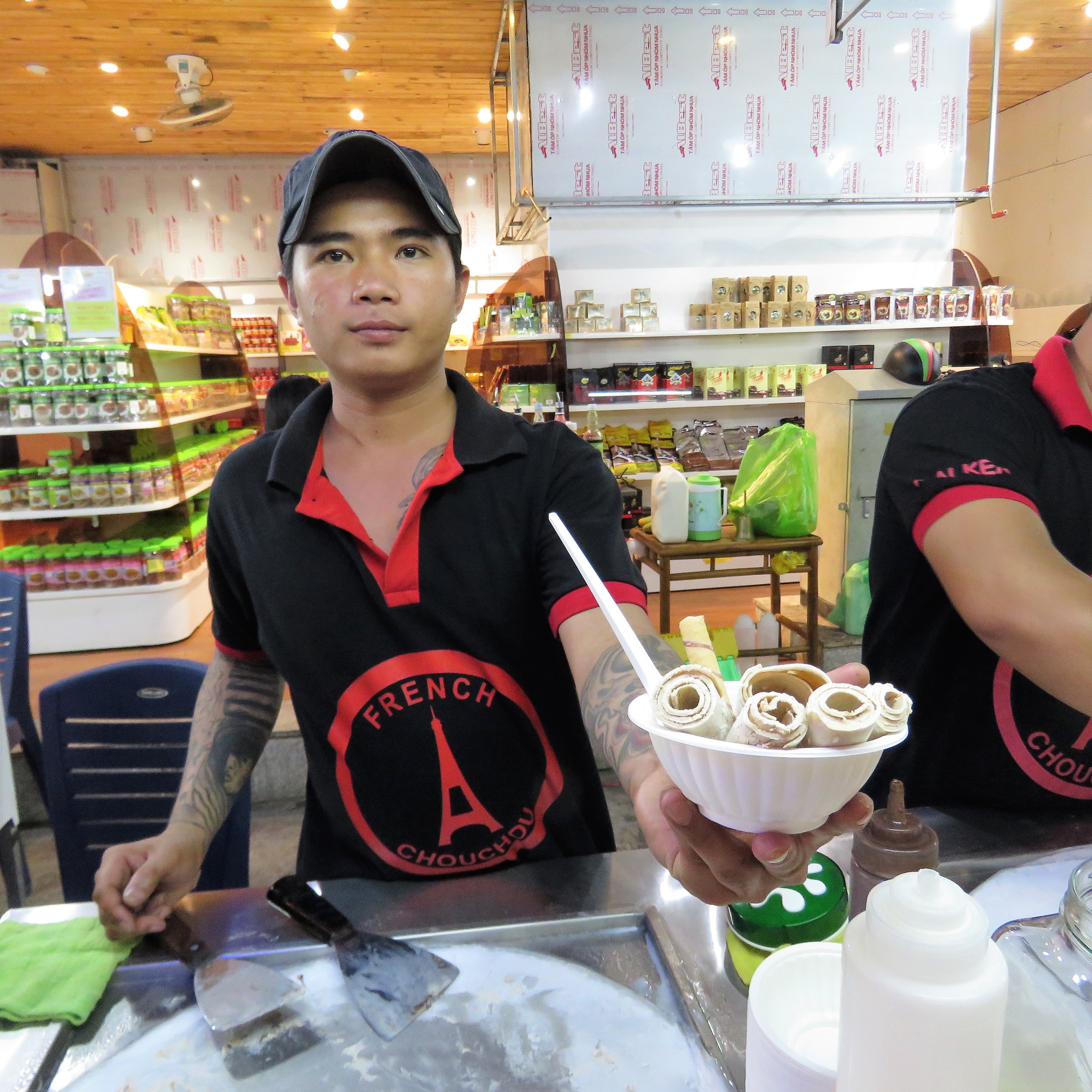
My absolute favourite dessert of the vacation was a neat sort of ice cream they make on the island. Apparently it’s a Thai dessert, though I never saw it there. First, they put which ever flavours you want onto a big frozen piece of metal (think Marble Slab or Stone Cold Creamery). Then, they add cream.

This is when they get to work…

When they are done you have a delicious ice cream treat to enjoy!

img_8063

Sunsets

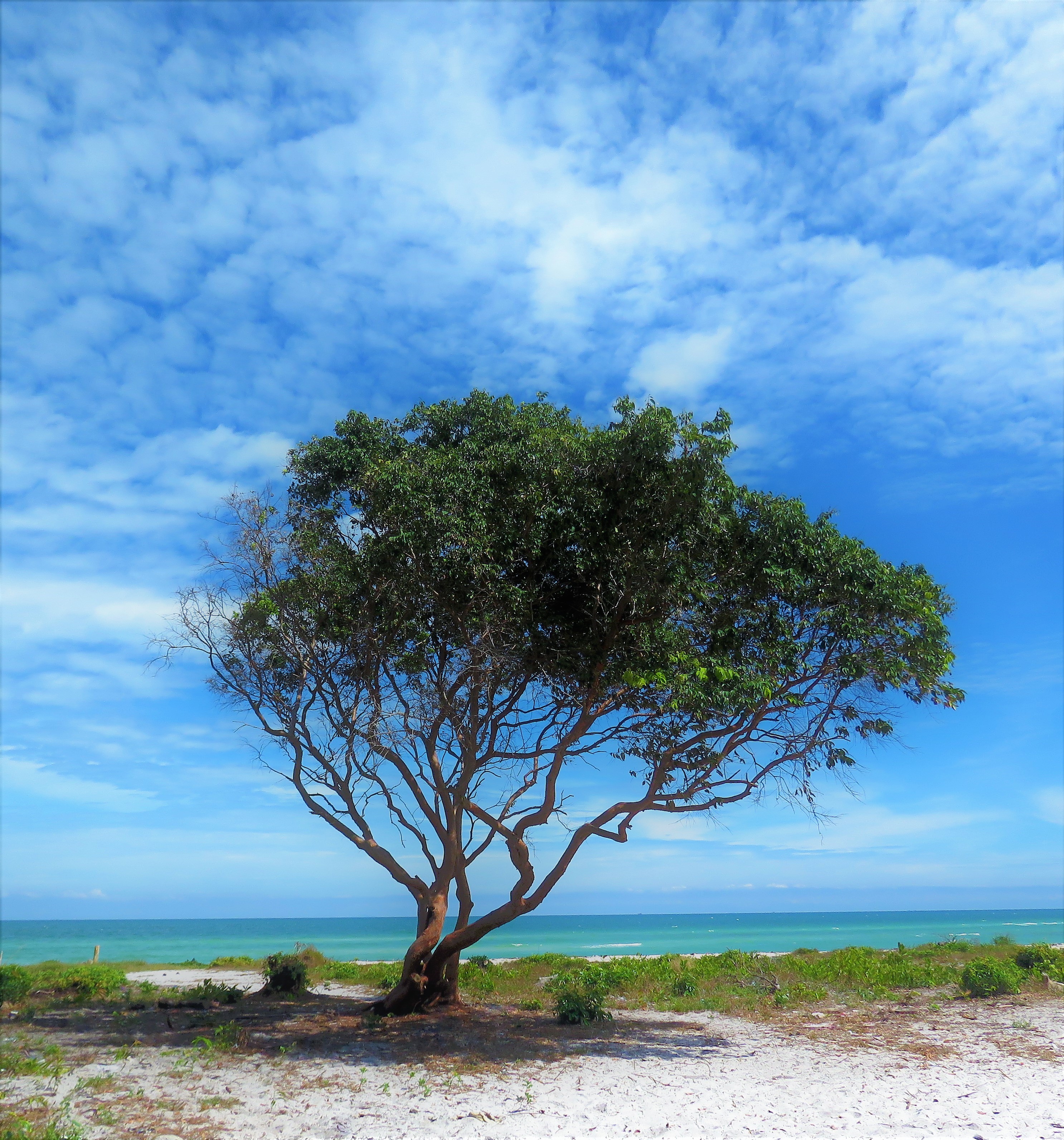
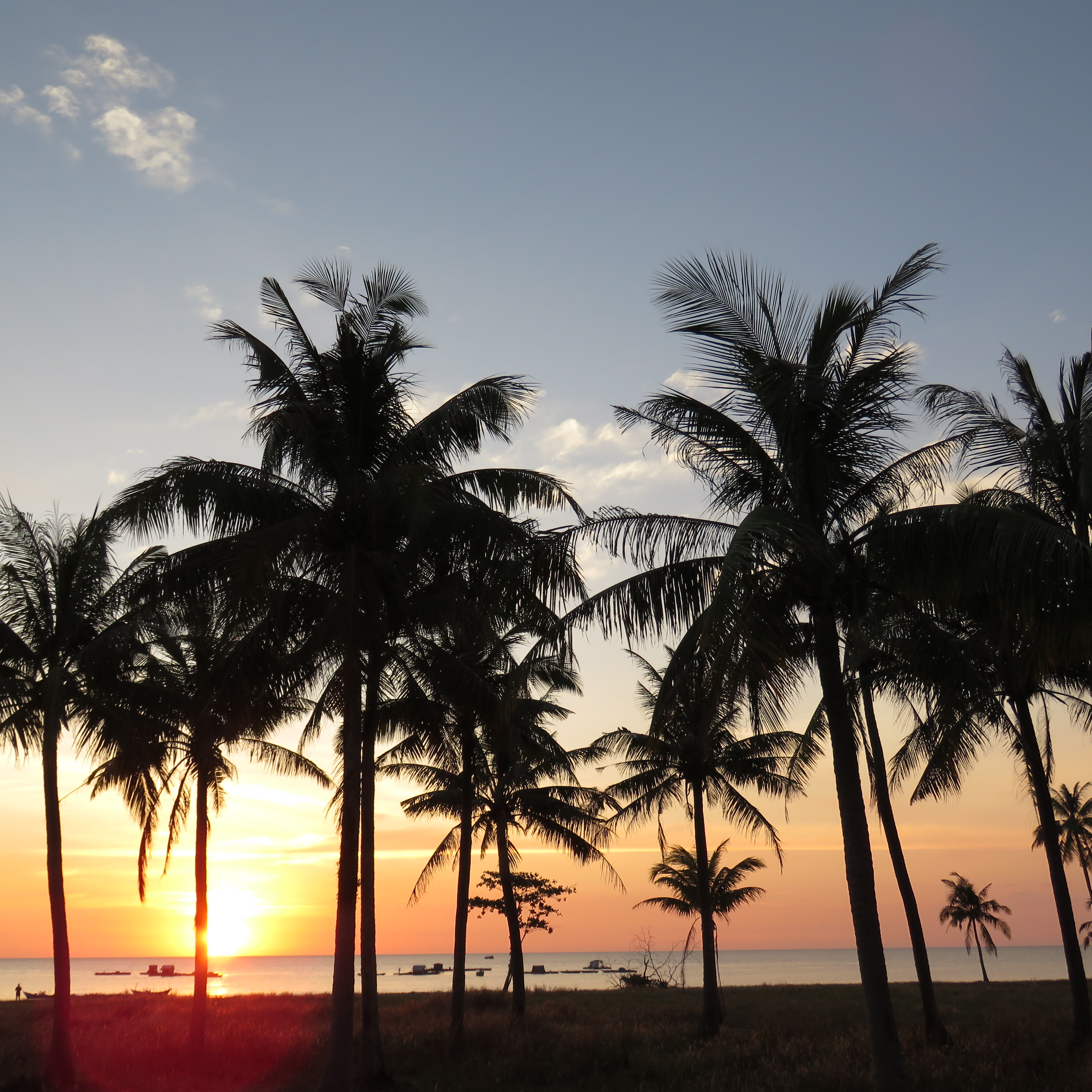
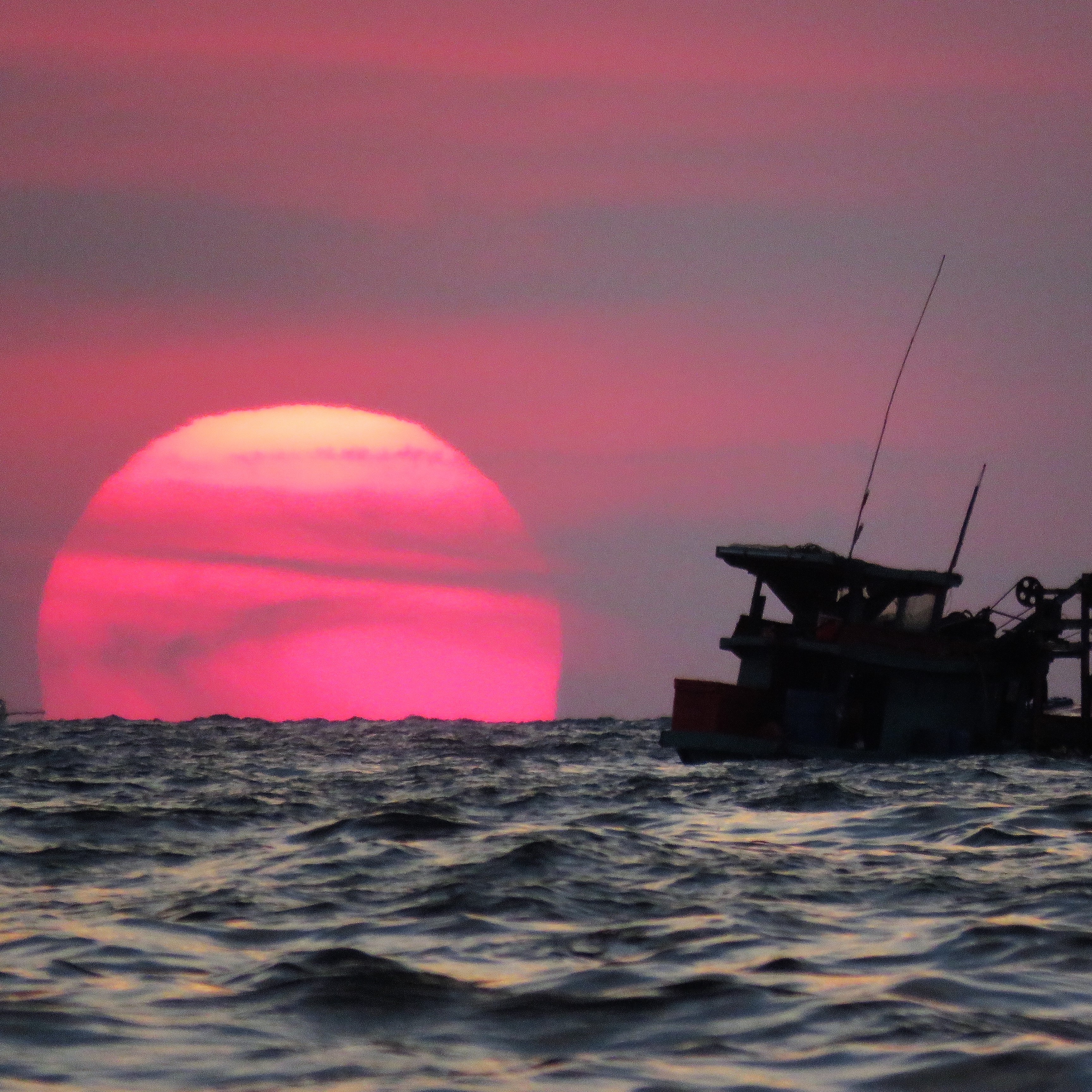
We saw great sunsets most of our nights in Phu Quoc, but I only had my camera for 2 of them. The first was on an empty beach near a mini-fishing village.

Pollution and buildings make it impossible for us to see the sun actually set in China, which is why we were so excited to see the sun go down properly on vacation. We stayed out until it had disappeared below the horizon. It made for some pretty spectacular shots with my Canon!!

Our second sunset was at Duong Dong Pier, near the Dinh Cao Rock Temple, by the night market.

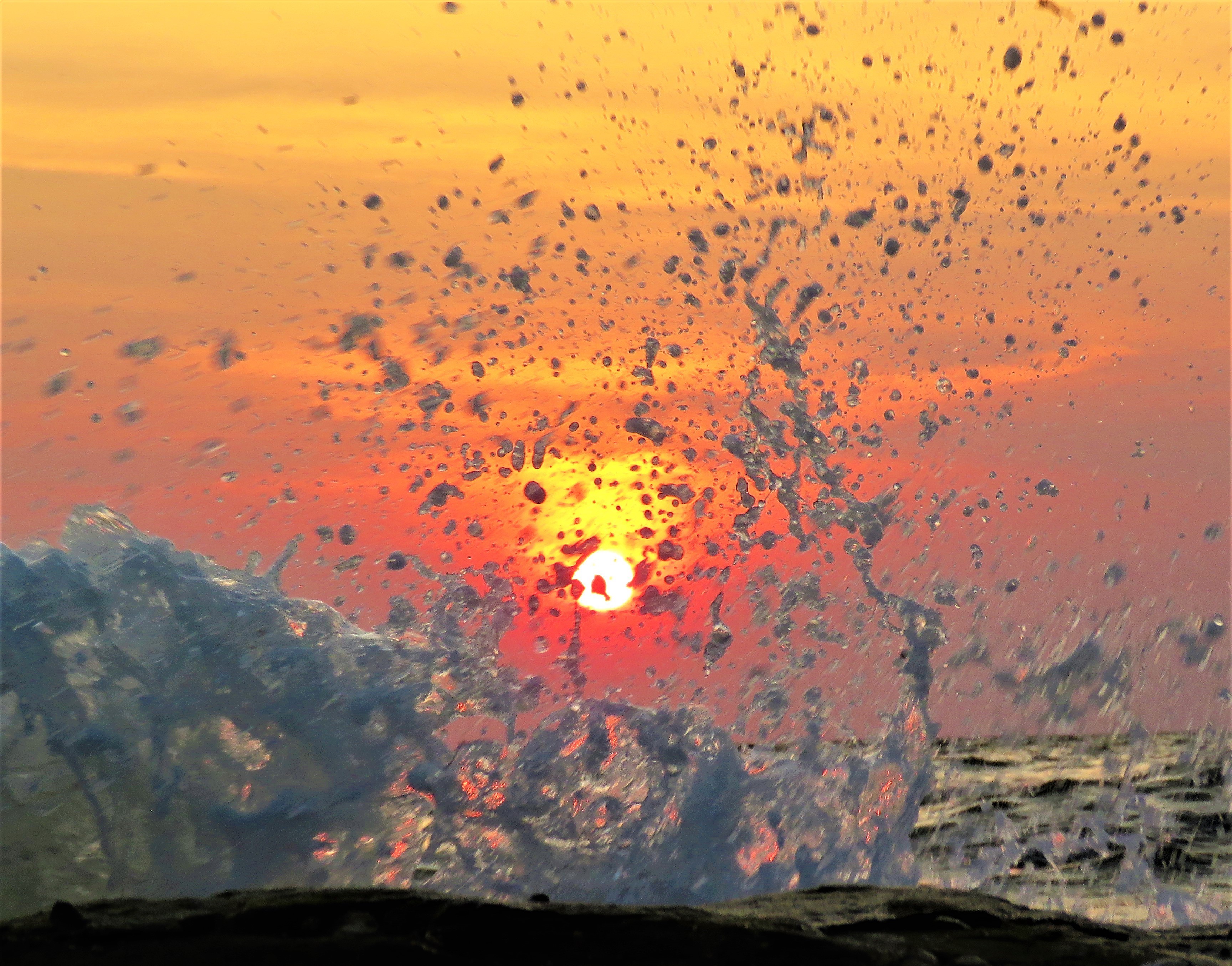
Once more, we waited until the sun completely set, and I ended up with some of the best pictures I’ve ever taken. It was quite windy out so we were getting some small waves coming in, so I wound up sitting down on the pier, and waited for the right moments to get some pretty cool shots!!

My favourite shot of the week…

img_8229

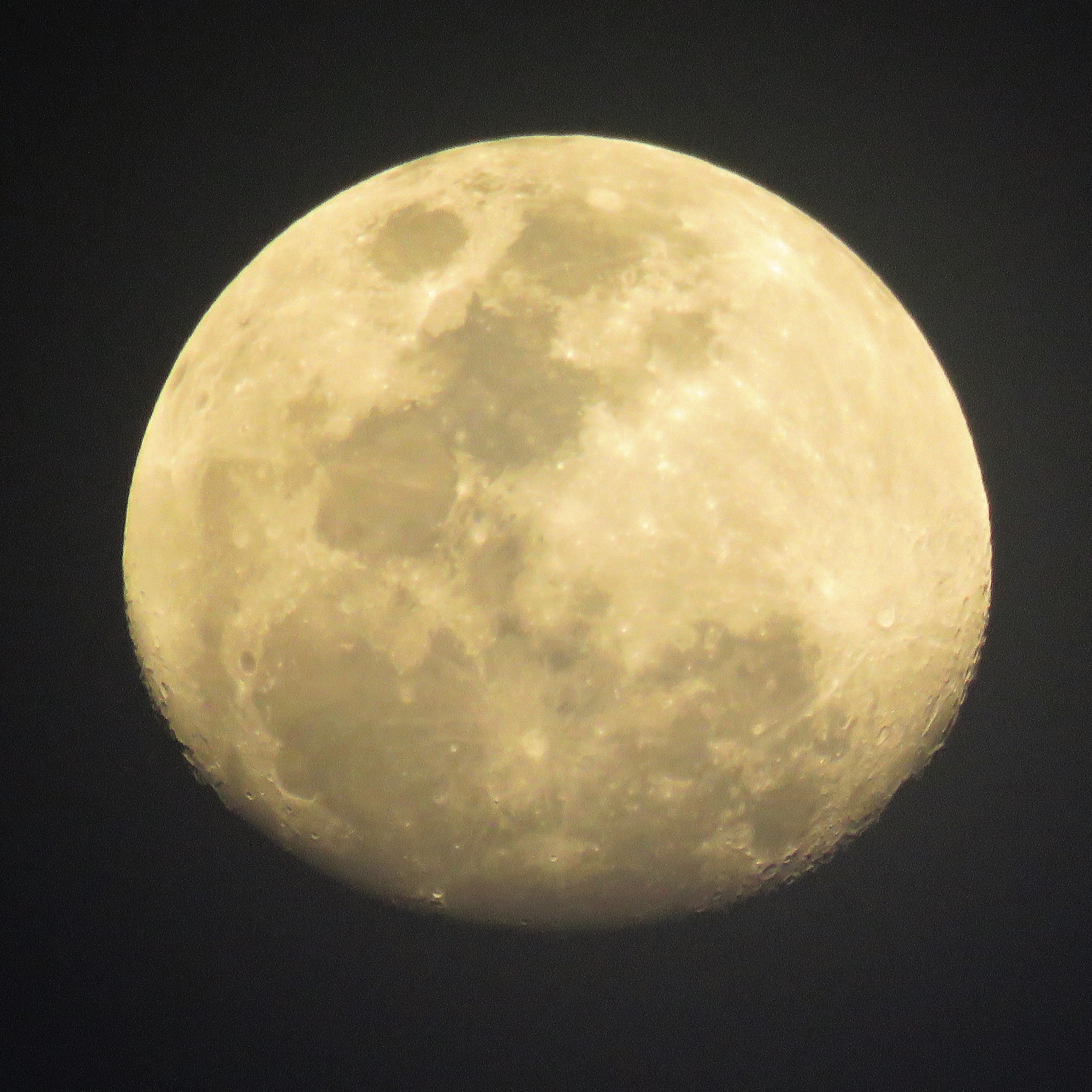
I also managed to get a pretty gorgeous shot of the moon once it came up…

img_8356

That’s it for Phu Quoc! I have 2 more posts planned about our overall experiences in Laos and Vietnam, so stay tuned! I should be back soon!!!

Pondering Perspectives

I have always loved being a student. As stressful as it was finishing my degree a few years back, I felt so incredibly motivated while I was at the University of Winnipeg. My major was in English Writing & Literature, but I took classes in Anthropology, Classical History, Drama, Psychology, Astronomy and so much more. These classes taught me about the world, taught me to think and dig for information and most importantly, they taught me that there is always more to learn!

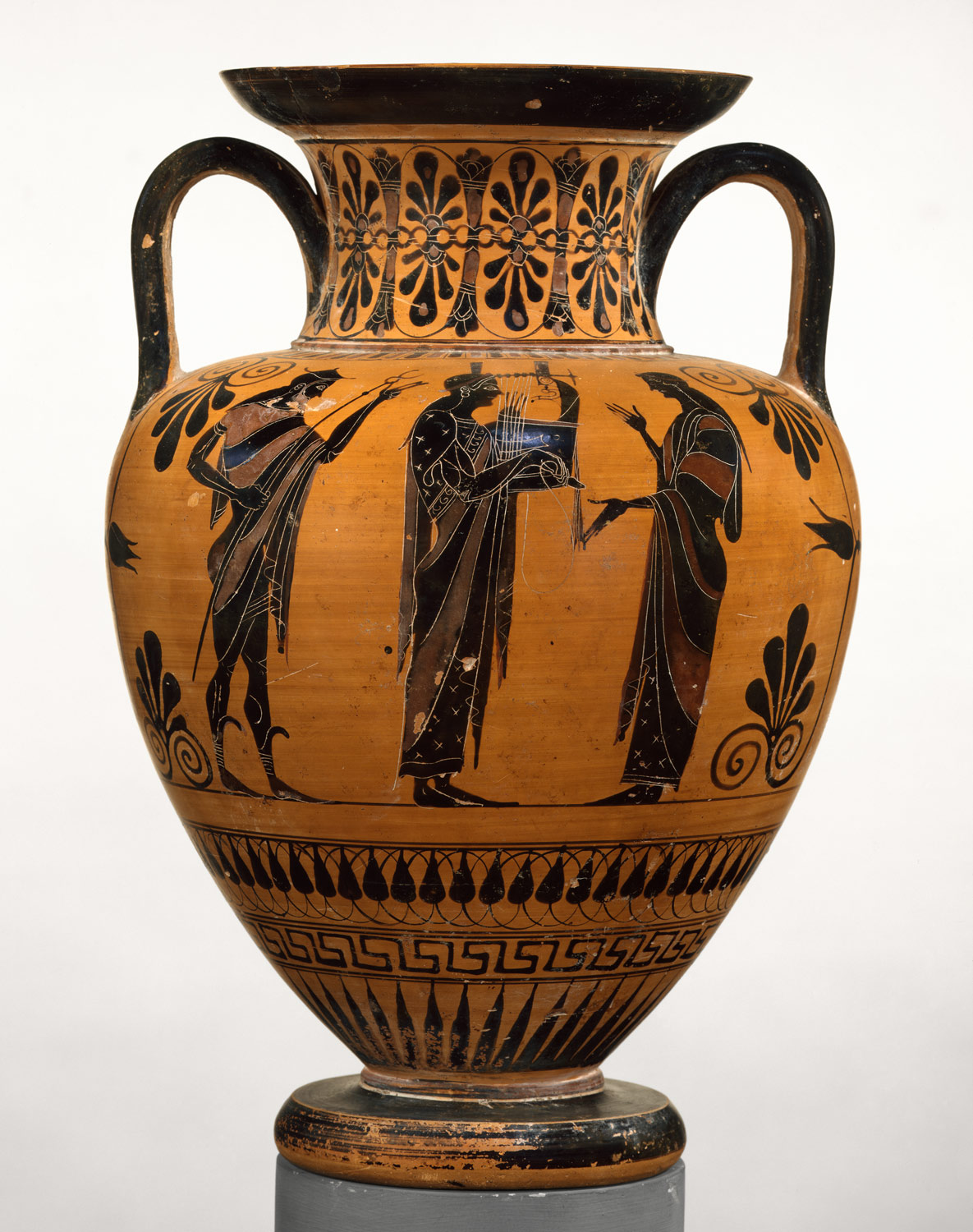
hb_98-8-13_av1
Classical History, for example, taught me that pottery is actually fascinating (if it was made by the Greeks, anyway!)

There are 2 classes that I feel really changed the way I see the world. The first one was Physiological Psychology. In this class, I learned about the different structures of the brain and what they are responsible for. I also learned what happens when you damage those areas of the brain and I learned a lot about mental illness as a result. Now, 4 years later, a month doesn’t go by when I don’t either think about or discuss things I learned in that class. I finished Physio Psych with the worst grade of my degree, but it was one of the most eye-opening courses I ever took.

mentalhealth

The other class that changed my perspectives was a random elective course I chose to fill out my semester. I literally chose it because it was available in a convenient time slot, but by the time the first lesson was finished, I was hooked and knew I wouldn’t be skipping my Tuesday night 6pm lessons. “Needs of Refugees” was all about refugee crises around the world.

54ff15ded377f-ghk-scheduling-secrets-02-s2
It looks like I have a 1 hour block free Tuesday afternoons…that can’t be right…oh no wait, I have 3 hours of work to cram in that space!!!

The focus of the class was mostly on the process these people go through to get placement in other countries. I had 2 professors for that class. One of my profs was a woman who had spent months abroad working in refugee camps in Palestine, Kenya and a few others I can no longer remember. The other professor was a Somali man who had fled Mogadishu with his family when he was a child.

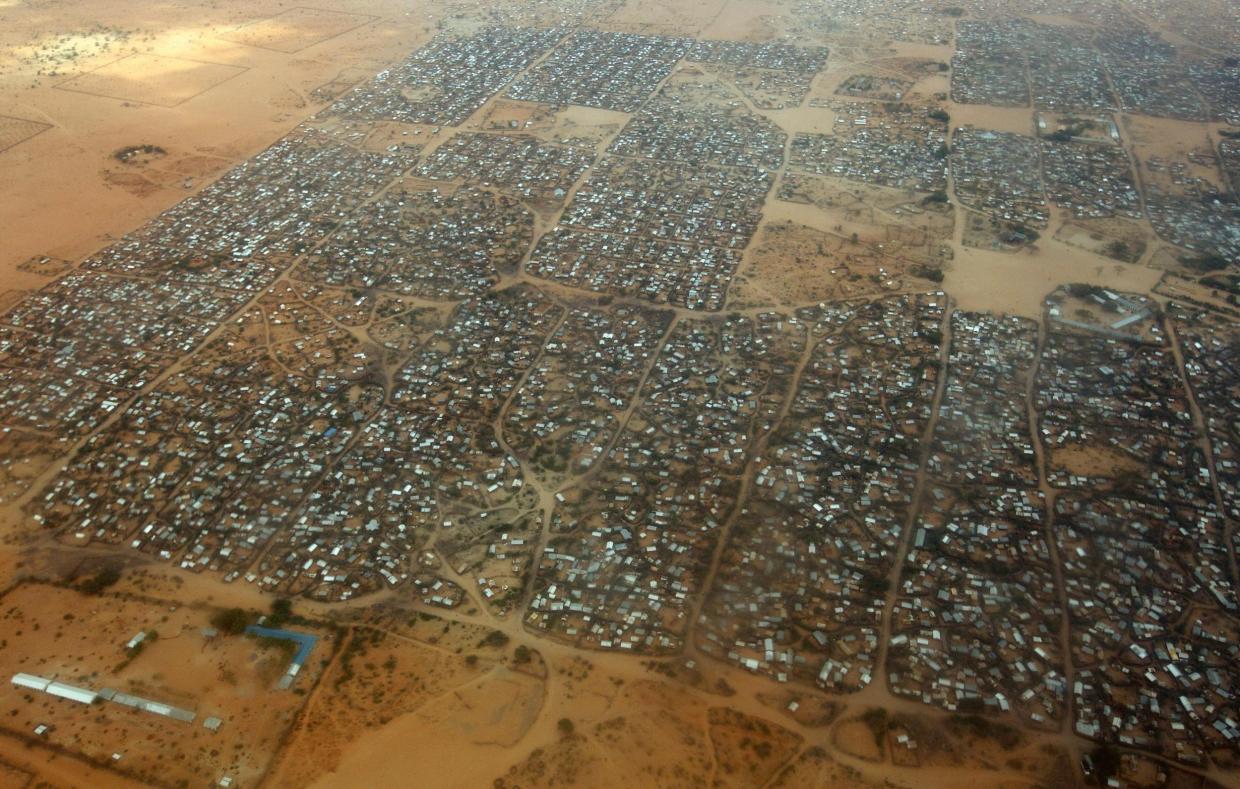
dadaab-aerial
This is DaDaab refugee camp in Kenya. When my prof fled Mogadishu as a child, he was actually separated from his family and captured by rebel soldiers. He was forced to work as a child soldier for 2 years before he was finally able to escape. He fled to DaDaab, where he found the rest of his family. Many years later, he was given a place in Canada, where he has become a productive member of society. His story is not one I will ever be able to forget.

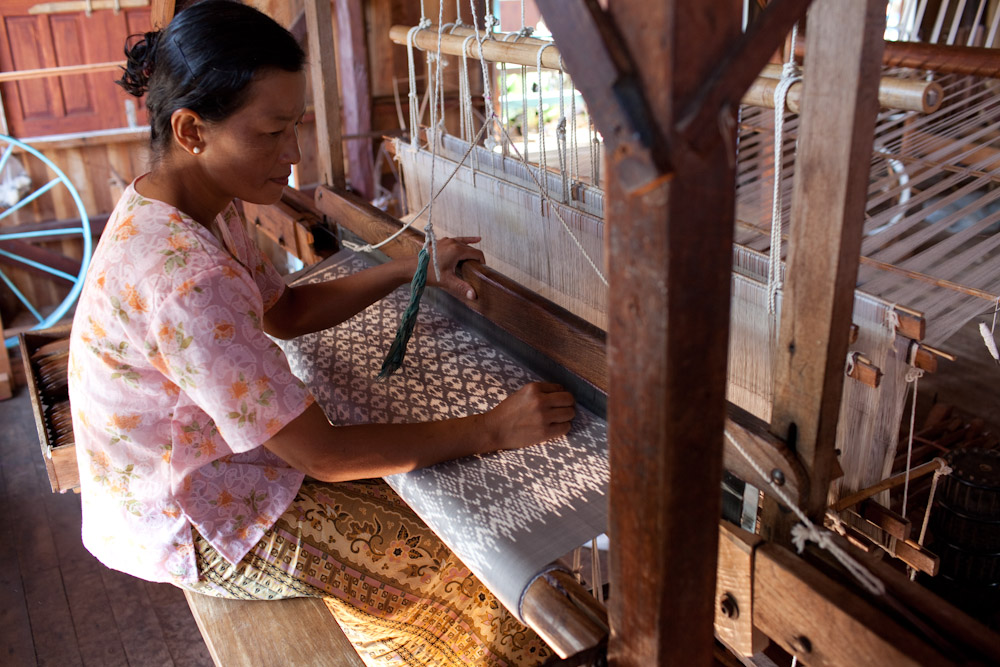
Through this class, I met several refugees, all from different conflicts and different areas of the world. I met a woman who had to flee Iraq because her husband had been arrested and the government was coming after her next so she had to flee with her two teenage sons. I met a woman from Myranmar who had fled years ago, who began her own small weaving business in Winnipeg.

Lotus and Silk Weaving
Burmese weaving is quite the art form!

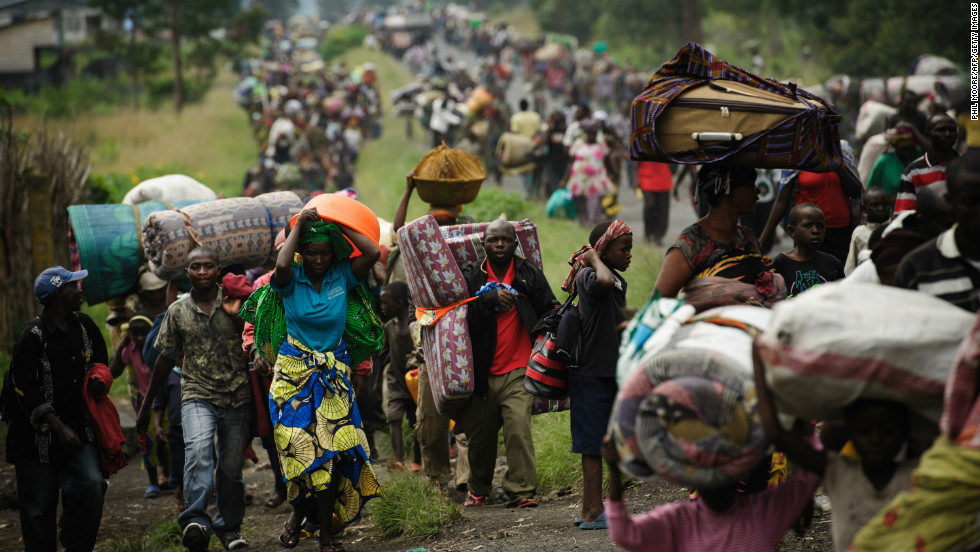
I also interviewed a man from the Congo. He was angry. He’d been in Canada for more than 10 years when I met him. He’d been struggling for a decade to find a suitable job, but because he’d been living in a refugee camp for the better part of his life, he had little education and few skills. It frustrated him that he had so little opportunities in Canada. Still, at the end of the interview, he took a moment to clarify that although he was angry, he was also grateful. He told me he’d rather have no opportunities in Canada than to wake up to the sound of bombs back in The Congo. He taught me a lesson about gratitude.

121123110824-congo-crowds-fleeing-horizontal-large-gallery
Yeah, Canadian winters don’t seem so bad…

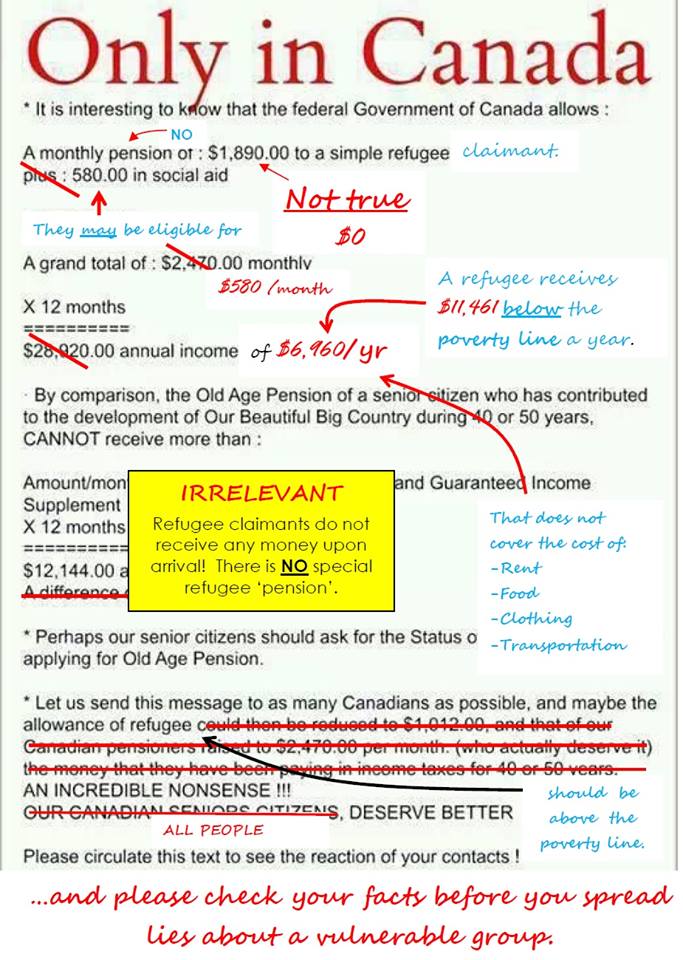
If you have me as a friend on Facebook, you know how I feel about helping Refugees. You also know how I feel about mental illness and trying to fight past the taboos that prevent people from getting help. I didn’t always care about these things. I’m sure that I’ve made thoughtless comments about mental health through the years. I know that there was a point in my life where I never really even thought about what a refugee even was.

only_in_canada_-_rebuttal_for_refugee_claimants_credit_silvia_daddario_and_students
Now I do my best to stop bad information from spreading, and correct that information whenever I can.

But school isn’t the only place where my perspectives have shifted. Travelling has taught me so much about the world. Since moving to Guiyang in 2014, I’ve learned about what it means to be an ethical tourist, I’ve seen real poverty and I’ve spent a great deal of time educating myself about the history of South East Asia and India (something never covered in my high school history courses…).

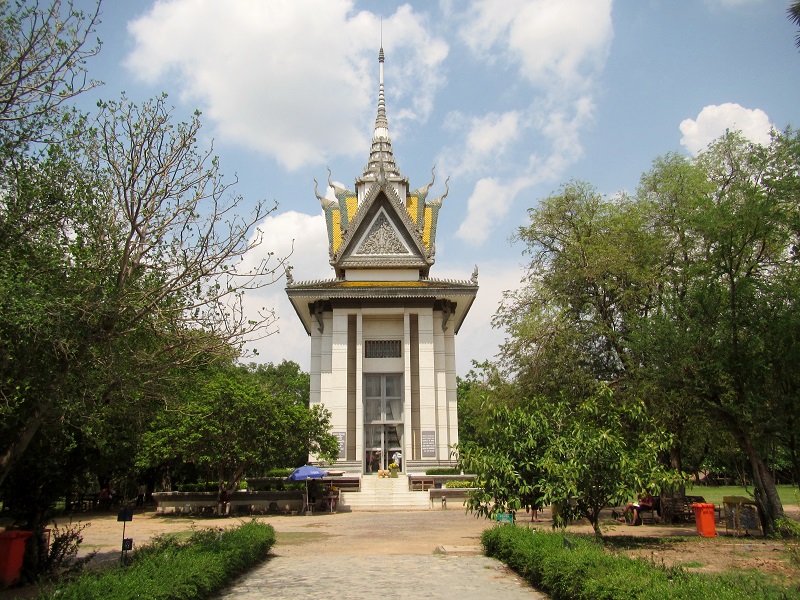
IMG_5239
Learning about the Khmer Rouge was the first of many eye-opening experiences I’ve had in the past few years.

Of course, being in Vietnam has also given me some new perspectives. I knew about the Vietnam war. I knew about the draft, the protests and I knew about the fight against communism. I had never really considered what all this meant for people on the other side of the ocean though…

Now, I’m not here to say that the Vietnamese didn’t do awful things to American soldiers, but when you see things that that happened to the people here, you can’t help but wonder how Vietnam could have possibly deserved the war crimes they endured during that horrible war. Napalm, agent orange and mass bombing campaigns nearly destroyed the country and even today you can see victims of Agent Orange. The chemical created genetic defects that are still being passed onto the current generation. It’s pretty awful stuff.

It’s easy for people in North America to shrug off the Vietnam war because it was so long ago now, but in Vietnam, the war still affects people. There are still bombs all over the country that never detonated properly during the war. Every year, people lose limbs and lives because of these UXOs.

img_7042

We visited the War Remnents museum when we were in Saigon, and learned about the war through pictures as well as through a few displays. Horrible stuff was done here.

We also made a short visit to the Phu Quoc prison, where thousands of enemy soldiers were kept during the war. The first thing both Dave and I noticed was how much the prison looked like a concentration camp.

But Vietnam was not the only country affected by the Vietnam War…

Laos is often forgotten during discussions about that 20 year war. I’ve mentioned in other posts that Laos is the most bombed country in the world. We learned more about what that actually means at the UXO museum in Luang Prabang.

img_6979
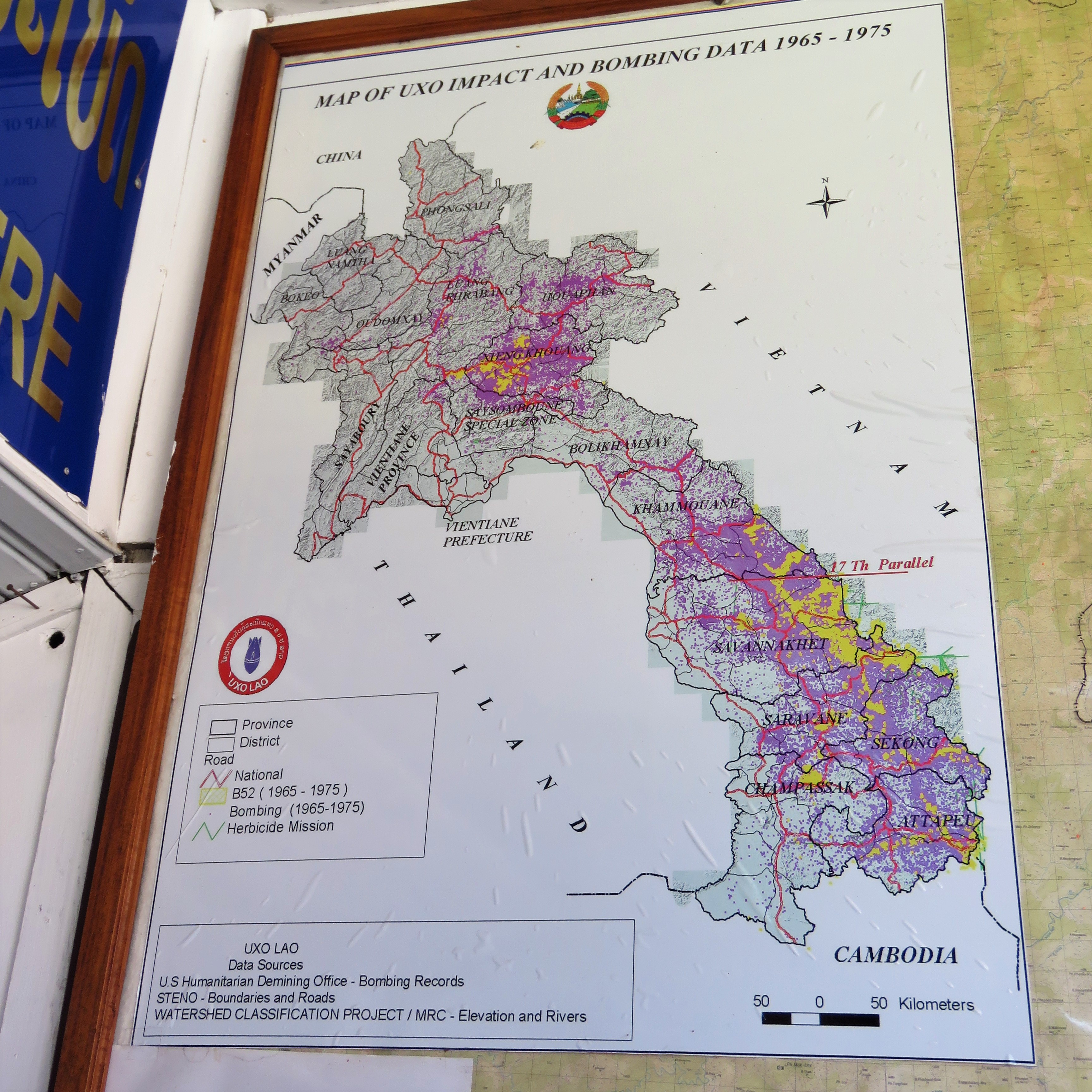
A map showing the most heavily bombed areas of Laos

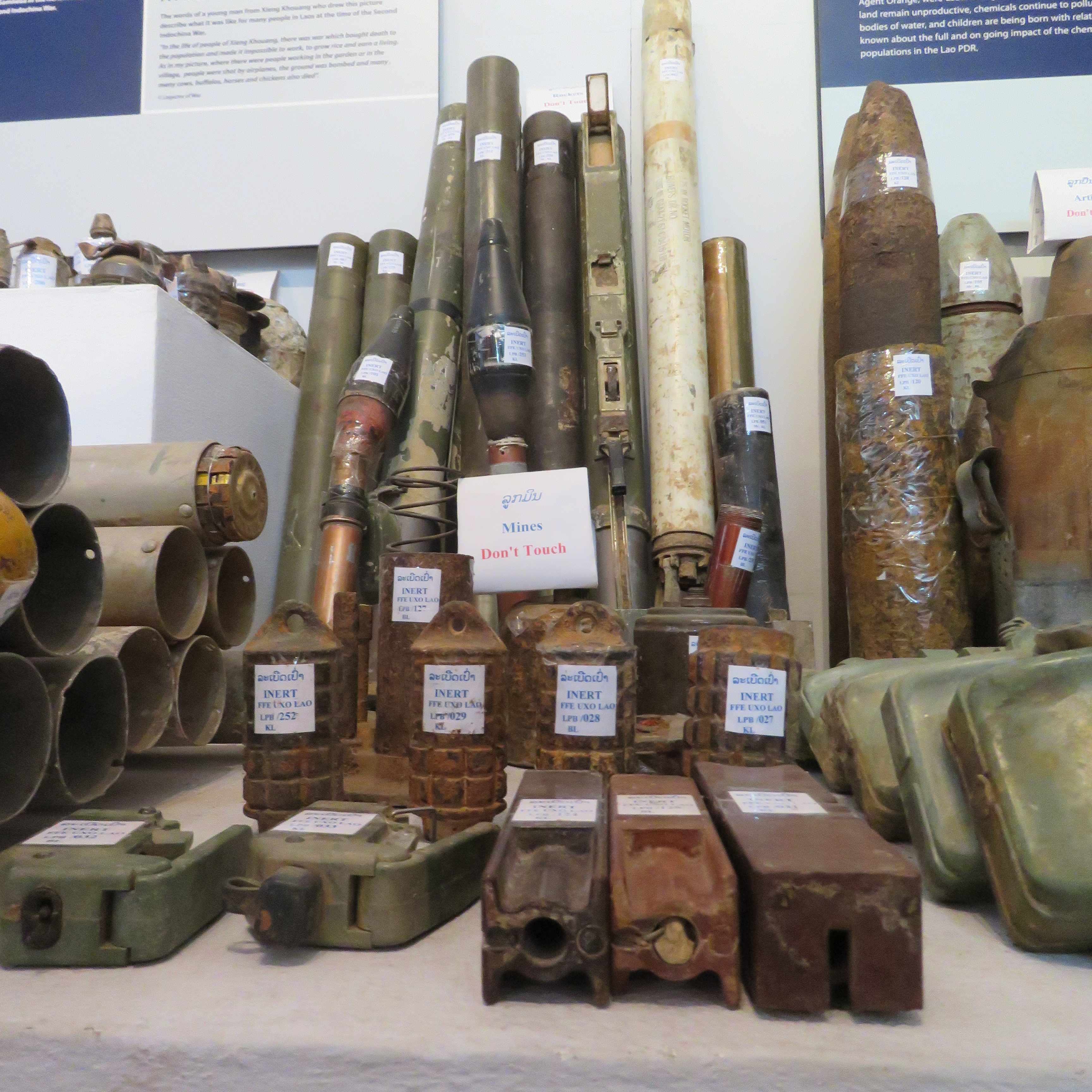
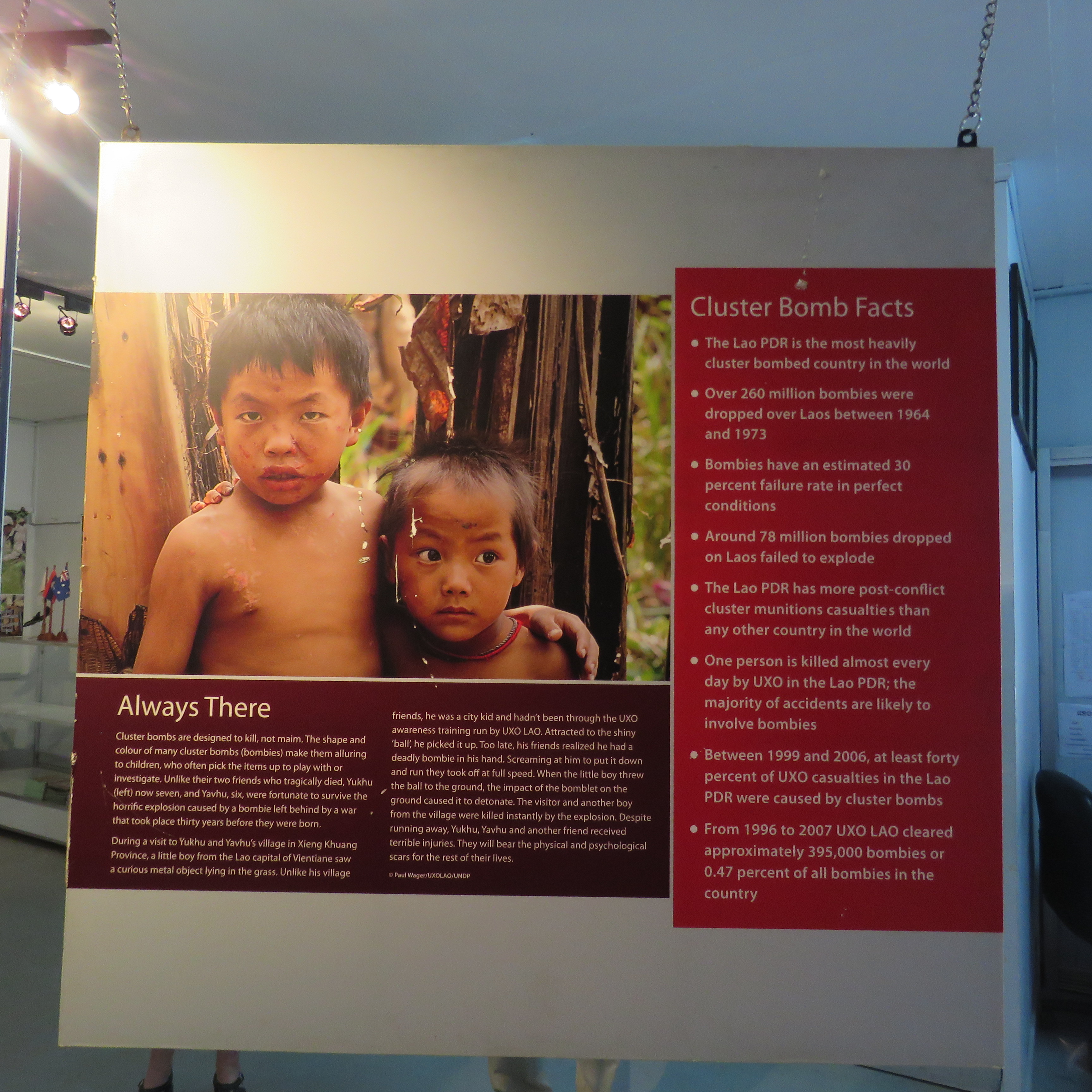
America dropped 260 million cluster bombs on Laos over the course of 580,000 bombing missions. This is equivalent to a planeload of bombs being unloaded every eight minutes, 24 hours a day, for nine years. There are still 78 million bombs in Laos, that need to be detonated, and as you can imagine, this caused a lot of problems from this developing nation.

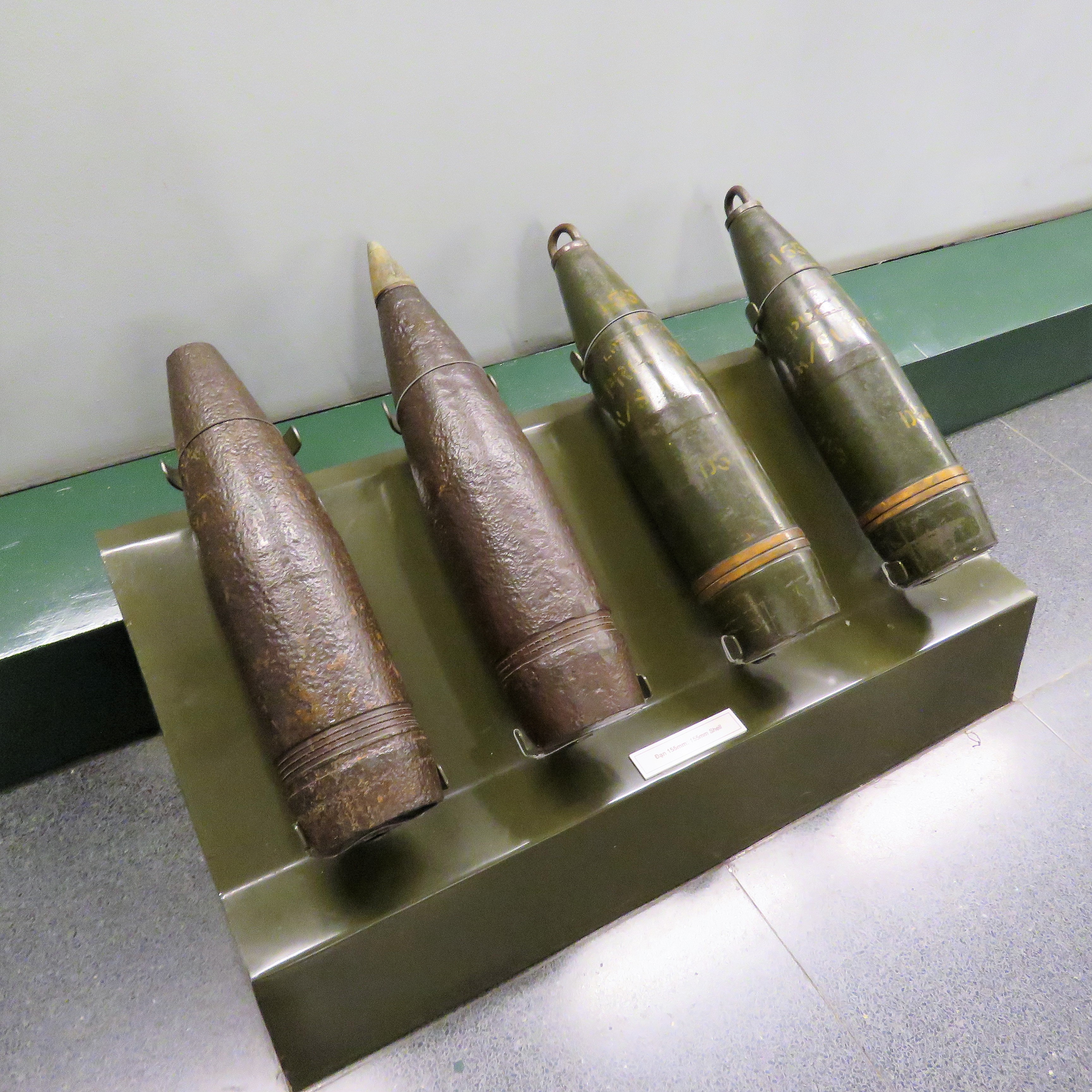
The UXO museum was quite an experience…In addition to having a wide variety of bombs on display, there were a few videos to watch and lots of information of how the UXOs still affect Laos today.

I guess what I’m getting at with all of this is that there’s always more to know. There’s so much happening all over the world right now…I feel like the best thing any of us can do is to educate ourselves. After all, how can you really have an opinion about things when you only ever hear 1/2 of the story.

img_6976
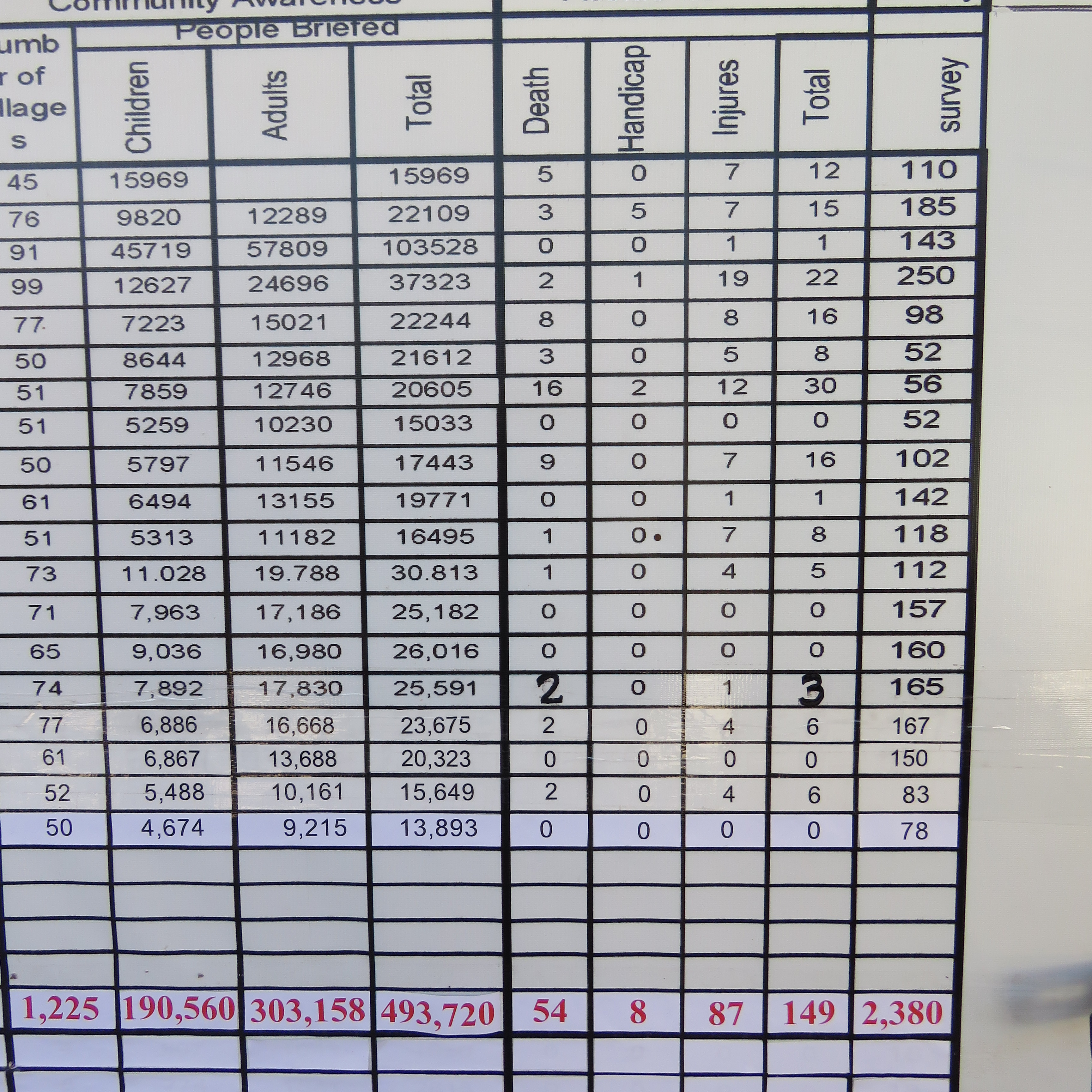
The number of people injured and killed by bombs just in Luang Prabang’s province every year

I know that when I have kids, I will encourage them to travel. You can learn about so much more than food and temples when you’re in another country.

img_6989
You can also learn a real sense of gratitude when you see these things. Parents have so much less to worry about in North America…

So there you have it…those are my two cents.

Next, I’ll be writing about our week on the island of Phu Quoc! Stay tuned!!!

Moseying Through the Mekong

We have now seen the Mekong River in 3 different countries: Cambodia, Laos and Vietnam. We also saw where the Mekong acts as a border between Laos and Thailand. I’ve felt connected to this river since we saw the Irrawaddy Dolphins in Kratie nearly 2 years ago. So when we realized that we could see where the Mekong connects with the South China sea, I knew that it was a ‘must see’ destination for Dave and I.

mekongmap
The Mekong begins in the Himalayan mountains and flows into the South China Sea, off the coast of Vietnam.

About the Delta

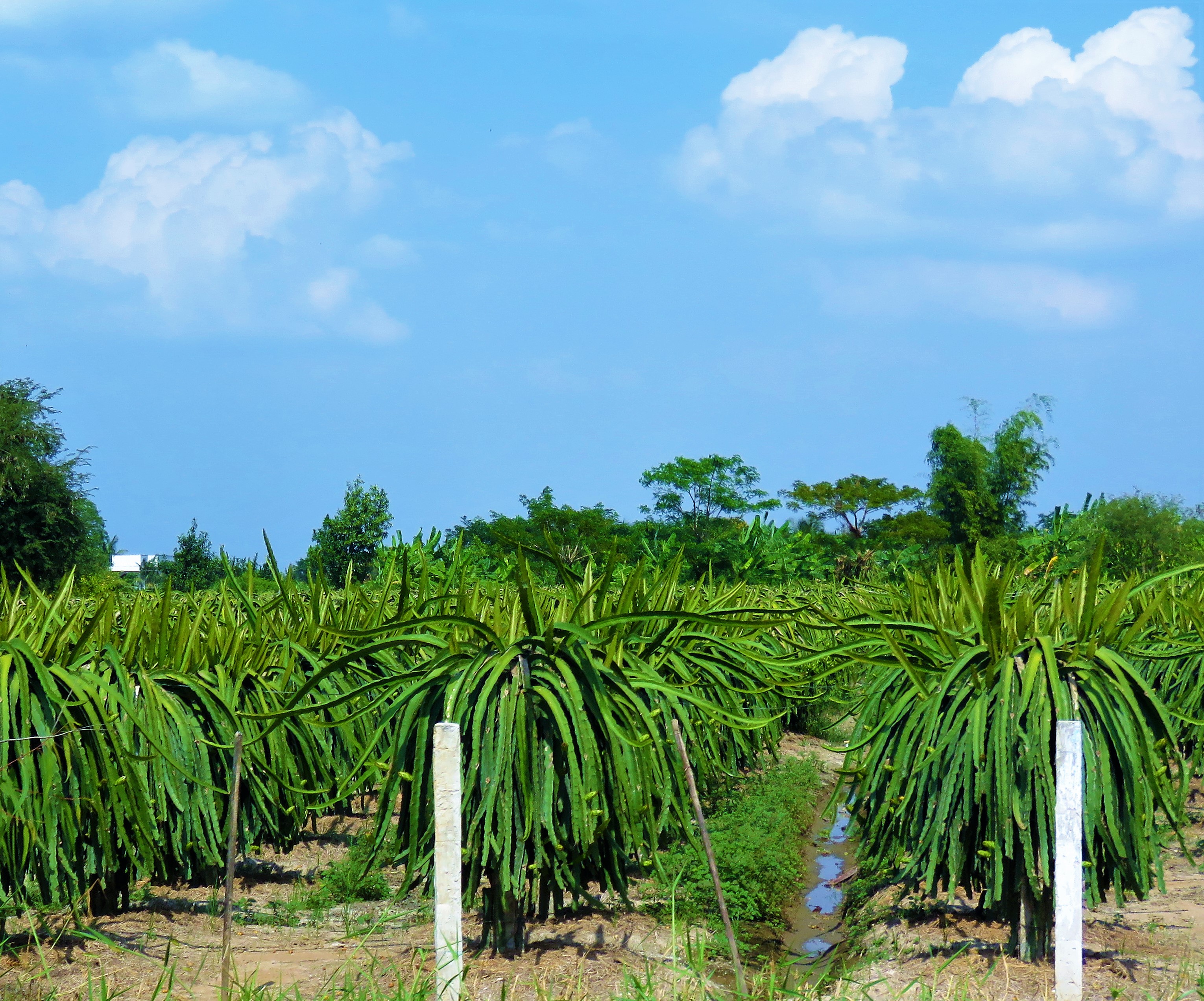
The Mekong Delta is considered a “biological treasure trove” due to its fertile soil and an abundance of wildlife. More than 1000 animal species live in this small area. We didn’t see much wild life, unfortunately, but the plant-life in the area is absolutely gorgeous!!

img_7517
A Dragon Fruit Farm

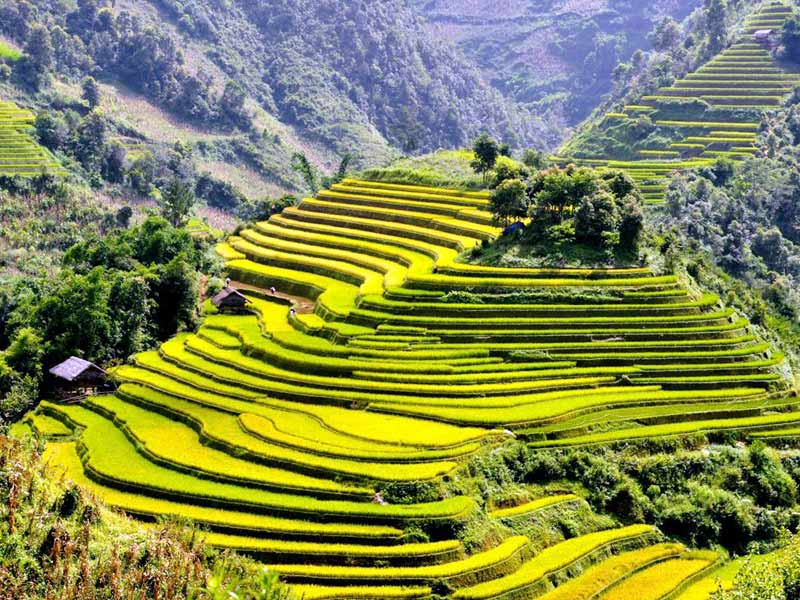
The Mekong Delta is an area of agriculture. Dragon fruit, sugar cane, corn, sweet potato, and coconut are all grown in the Delta, but the area’s main agricultural purpose is for rice. More rice is grown in the Mekong Delta every year than in all of Northern and Central Vietnam combined! That’s saying something, given that the enormous Sapa rice terraces are located in the north of the country!

sapa-rice-terraces
We wanted to visit Sapa while in Vietnam, but we chose to go to Laos instead. The Long Ji Rice terraces in Guiln are similar and we really wanted to see something new. Some day, we both hope to make the trip to see these beauties too though!

Of the 17 million people who live in the Delta area, 80% of them work in rice agriculture, so you can imagine the rice fields we got to see!

img_7502
One of many gorgeous shots I got

Our Trip to the Delta

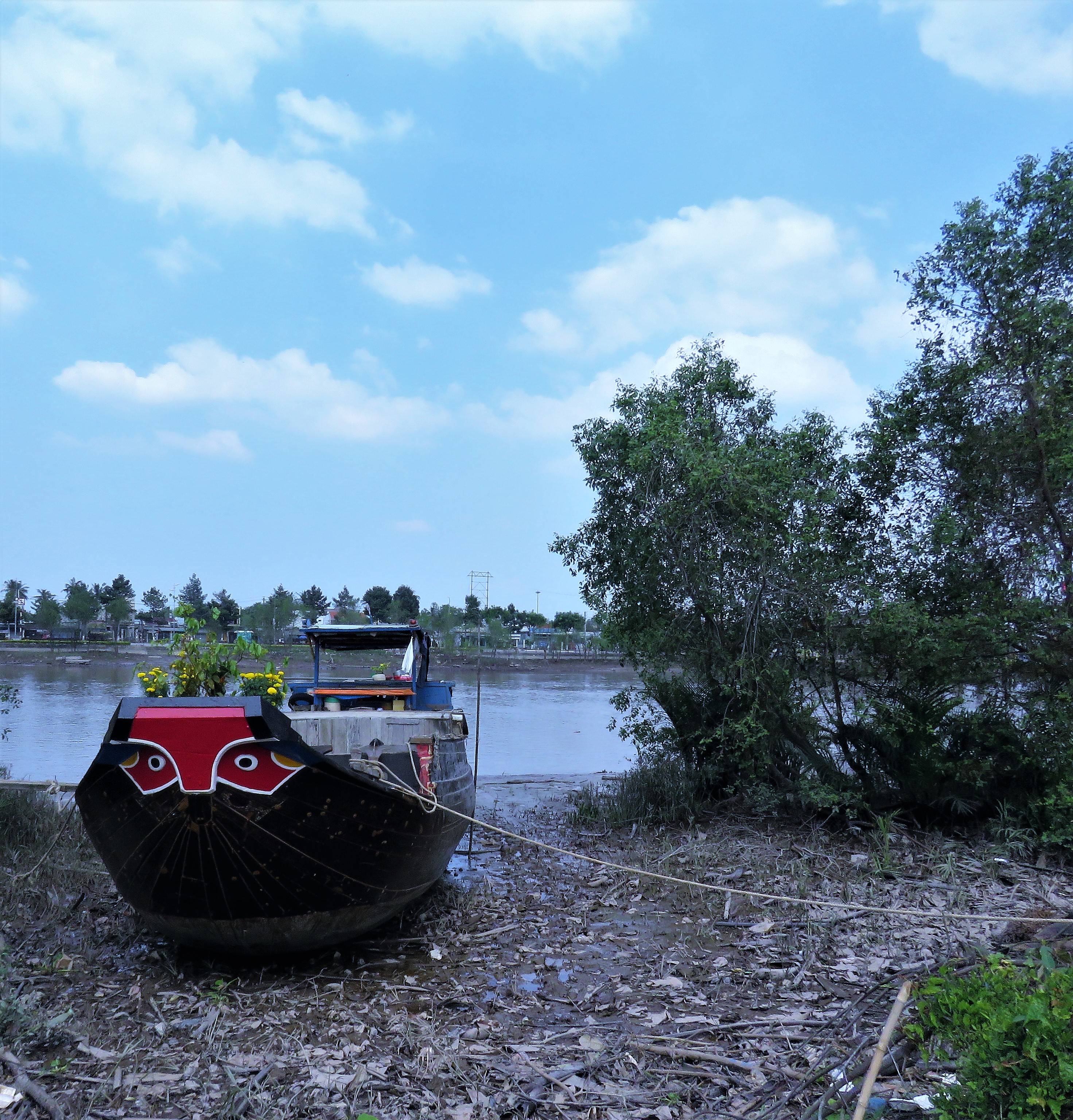
Michael, like Dave, loves driving motorcycles, so when we were all still in China, we planned a motorcycle trip out to the delta together. There are many places you can go in the Mekong Delta. My Tho is the most popular because it isn’t far from Saigon. It seemed a bit touristy for our taste though, so we opted to drive a bit further and went to Ben Tre instead.

mekong_delta_map

The drive to Ben Tre was dusty and a bit boring, because we’d mistakenly taken the most direct route, which also happens to be the busiest. Our pollution masks came in handy on the ride there!!

We were thrilled to see the gorgeous pool waiting for us at our hotel. We all washed off the dust from our skin and hopped in to cool down.


In Ben Tre

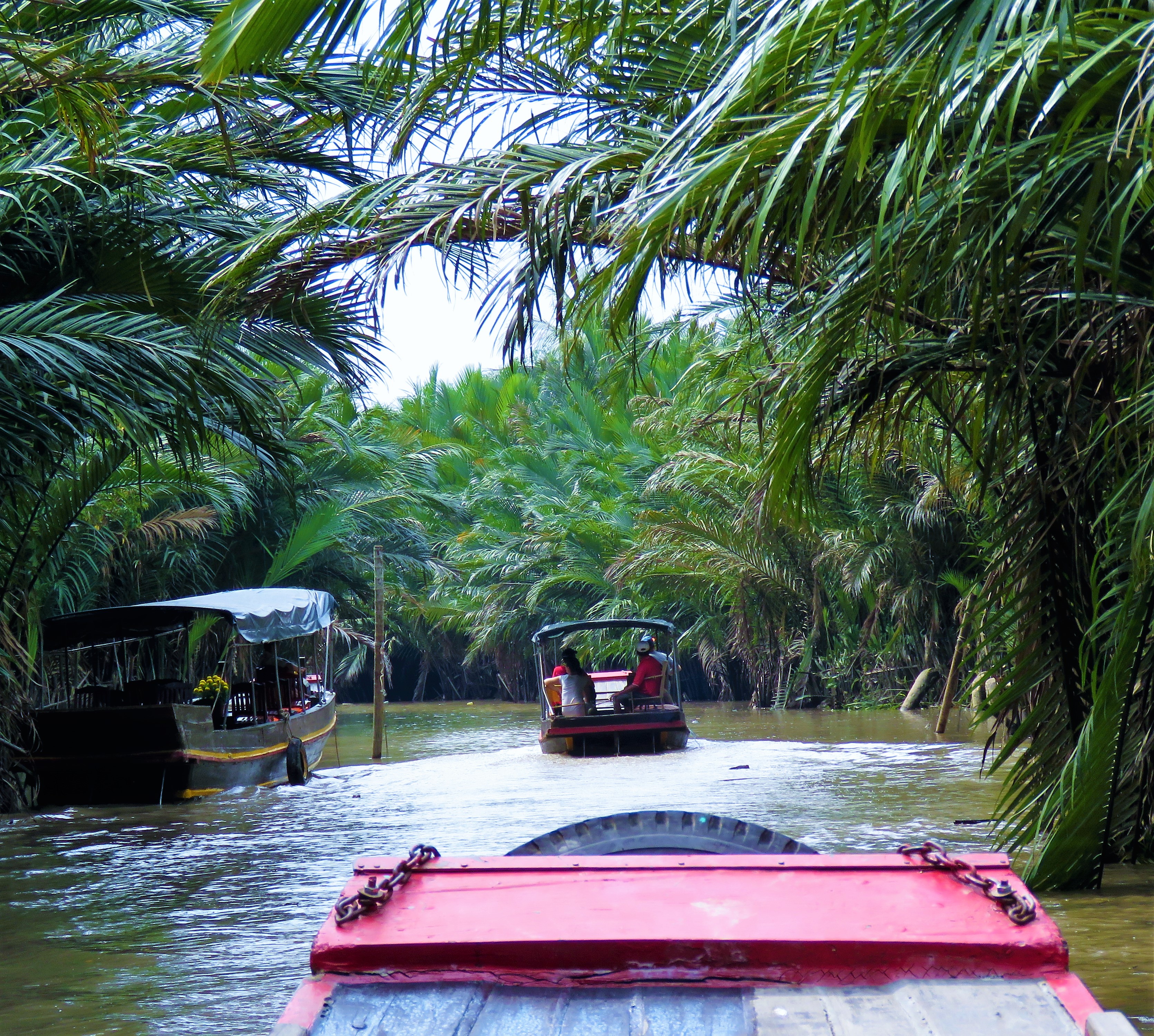
We only had 1 day in Ben Tre, so we spent it doing the most popular thing to do in the Mekong Delta…we rented a boat (and a captain!) and saw some of the beauty the area has to offer!

img_7327
These types of boats can be found all down the river in Ben Tre

Although we found plenty of boats, we had a bit of difficulty finding a tour office that was open during Tet! After some riding around, we managed to find one place that jumped at the opportunity to make an easy sale.

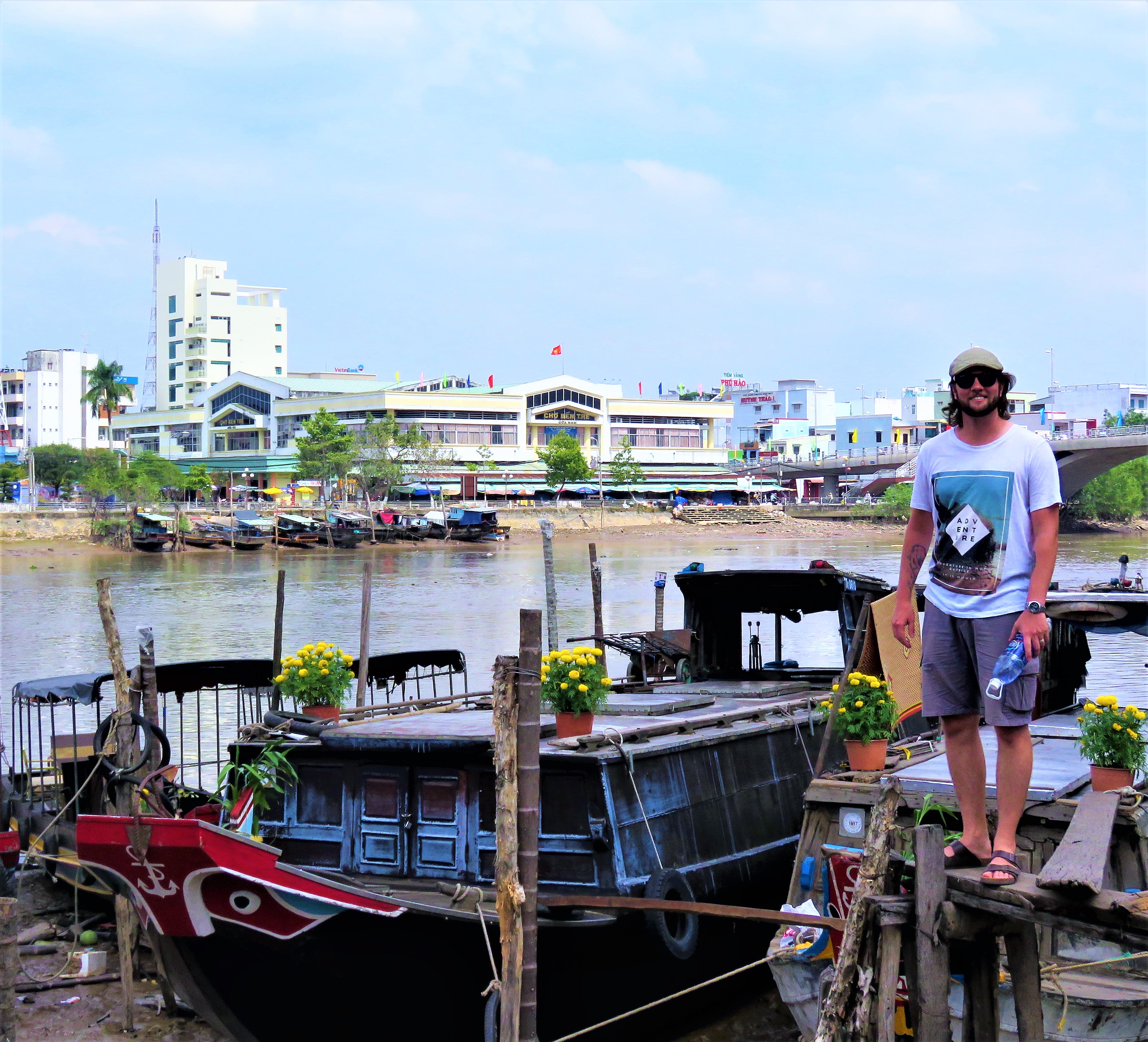
While we waited for our captain, we strolled along the river, admiring the boats and the view.

I noticed that all of the boats had ‘planks’ going down to them, which bothered me a bit. Dave, of course, didn’t care, but I was worried they’d make clumsy ol’ me walk across a rickety piece of wood to get to the boat!

img_7347
Dave showing me that it’s no big deal!!

I was right…I did have to “walk the plank.” It wasn’t too bad, and I didn’t fall, but getting into the boat was only step 1 to us getting on our way down the river. Next, we had to get the boat ‘unstuck’ from the muddy Mekong River bank!!

The boat trip was definitely longer than we’d wanted (3 hours…), but there were plenty of gorgeous sights to see along the way!

I wasn’t feeling the best, so Dave ended up getting a bunch of these pictures. These 3 are my favourite though (and I no longer know who took which lol! We’ll call it a combined effort!)


The Way Home

None of us wanted a repeat of the trip TO Ben Tre, so Dave and Michael put their heads together and planned a less direct route home. Their efforts paid off, because WOW did we see some beauty along the way!!!

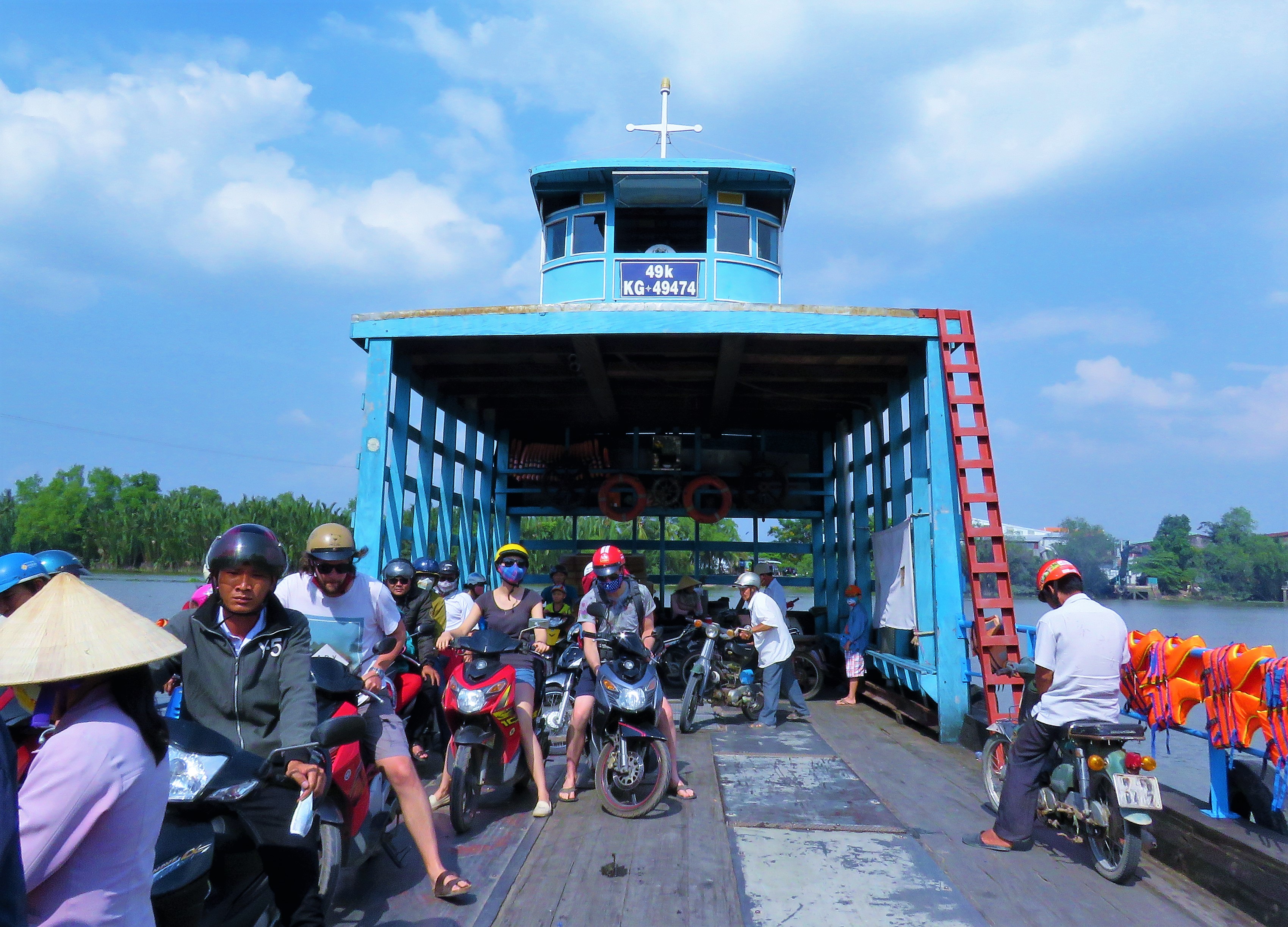
We also stopped quite a few times on the way back. Sometimes we stopped for ferry rides…

img_7526

Sometimes it was the lure of hammocks that convinced us to pull over…

But the scenic stops were my favourites. As I mentioned, the Delta is home to Dragon Fruit farms, where we stopped for a few pictures.

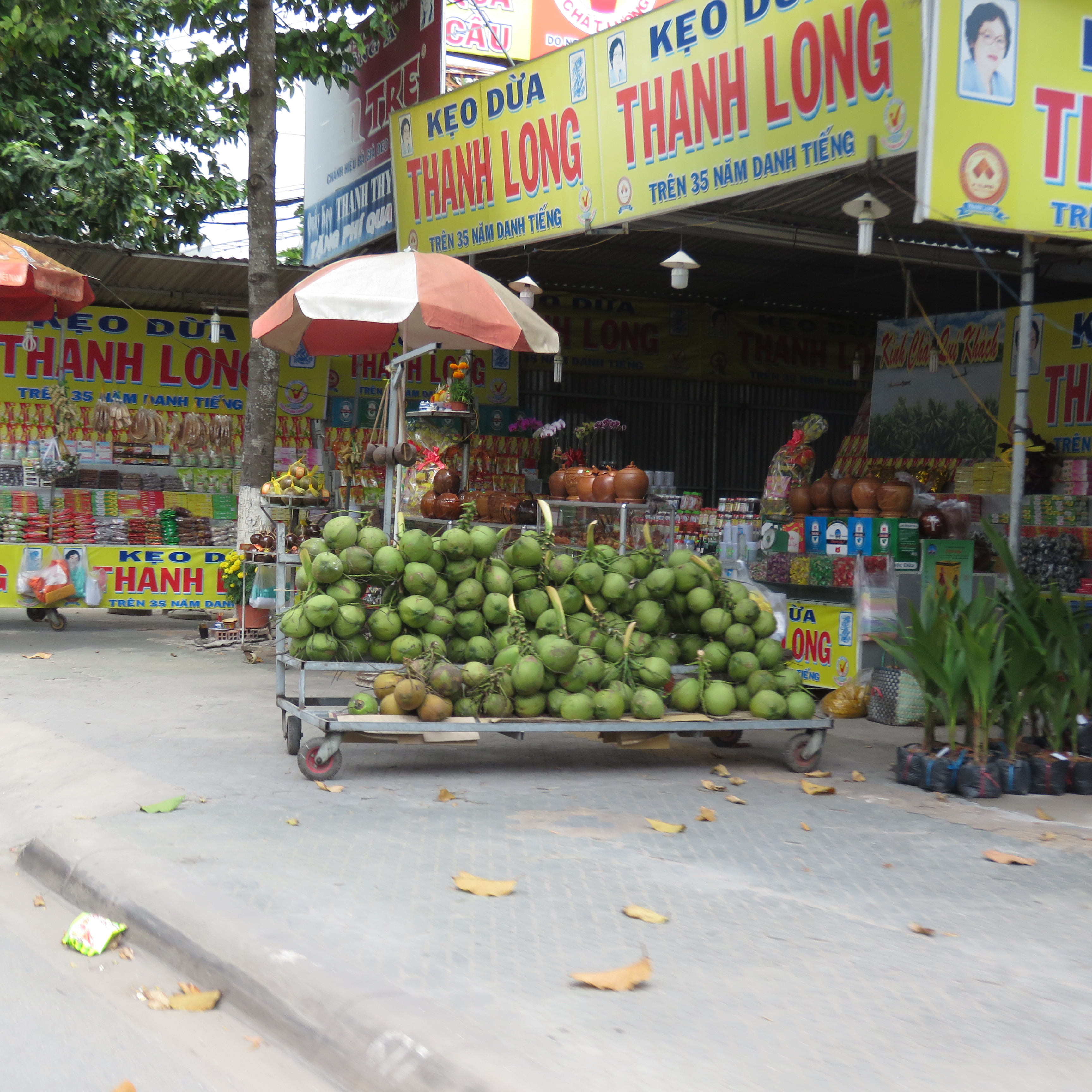
Coconut is synonymous with the region, and we definitely stopped for some coconut candies along the way back to HCMC.

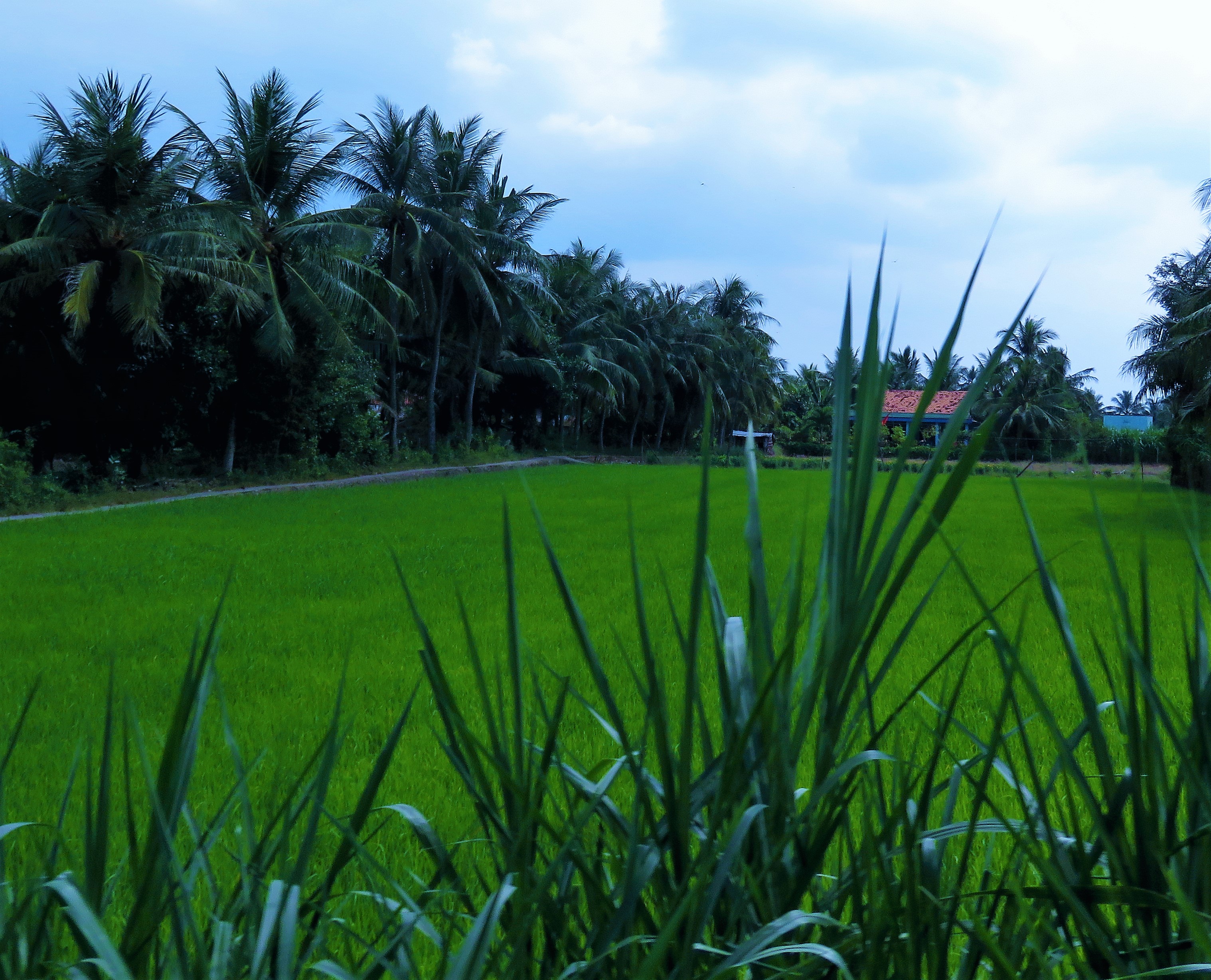
My favourite stop was definitely for the rice fields. They were golden, green and beautiful and it was so nice to stop somewhere quiet and clean.

This particular field (like many in Vietnam) was also a cemetery of sorts. The Vietnamese often bury their dead family members in very specific places, close to the home and in a certain direction, so not to disturb balance in their afterlives. We saw many of these coffins during our trip.

With such a beautiful backdrop, we couldn’t help but take some pictures of ourselves as well, and I got some beautiful ones of my dear friends, Michael and Miya.

That wraps up our trip down to the Mekong Delta! It was a great experience and I’d recommend for anyone in the area to take the trip! Here’s the route we took both on the way there and the route on the way back (the one that’s slightly to the left is the boring route…the one on the right is MUCH better!)

c1705a804e066020a0e2a429745473285aff499b5cd4518c31pimgpsh_fullsize_distr
Special thanks to my husband for putting together this route for me!!

Up next I’ll be writing about Phu Quoc as well as some posts about Vietnamese and the things you realize being in these parts of the world!!

Cheers!

The Sights of Saigon

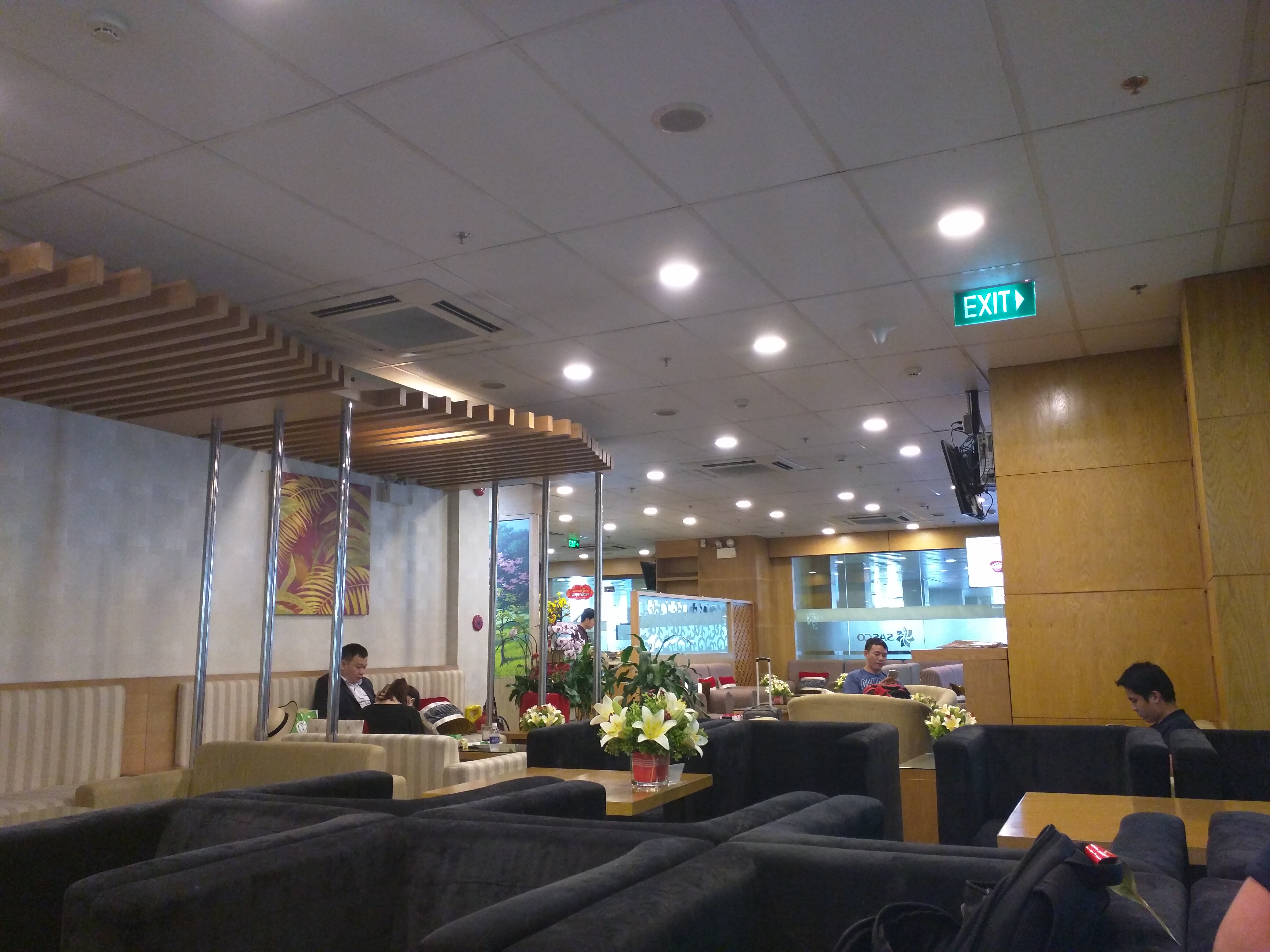
As the 3rd leg of our adventure comes to an end, I am realizing that I have a lot of catching up to do! I’ve been neglecting both my journal and blog, so I figure it’s best I get started now, while I wait 3 extra hours for my delayed flight to depart (at least they gave us access to the VIP lounge!!).

img_20170201_135143
An Empty VIP Lounge 🙂

Ho Chi Minh City

64633-004-d144c88e

Our latest stop has been in Ho Chi Minh City, also known as Saigon. HCMC is the largest city in Vietnam (but not its capital). Its population is around 8.5 million people, and I’m pretty sure every person here owns a motorcycle and driving them 24 hours a day!!! The bike traffic in this city is nuts!!

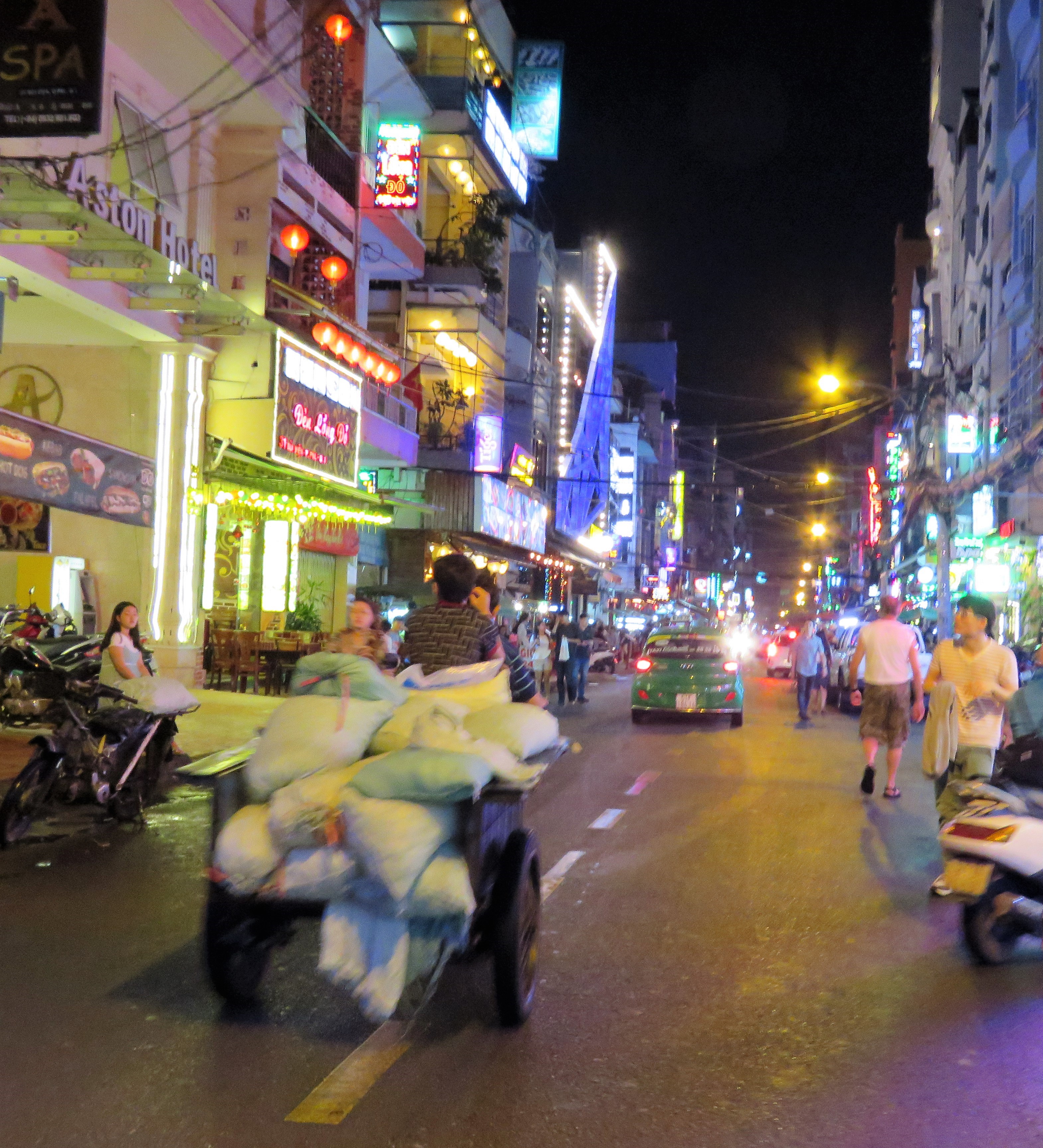
We stayed in District 1, which is the Back Packer’s district. There are lots of overpriced bars and restaurants in the area and there is a much bigger party scene here than either Dave or I had expected! Liz was telling us that there are bars down that street that are open 24 hours a day!

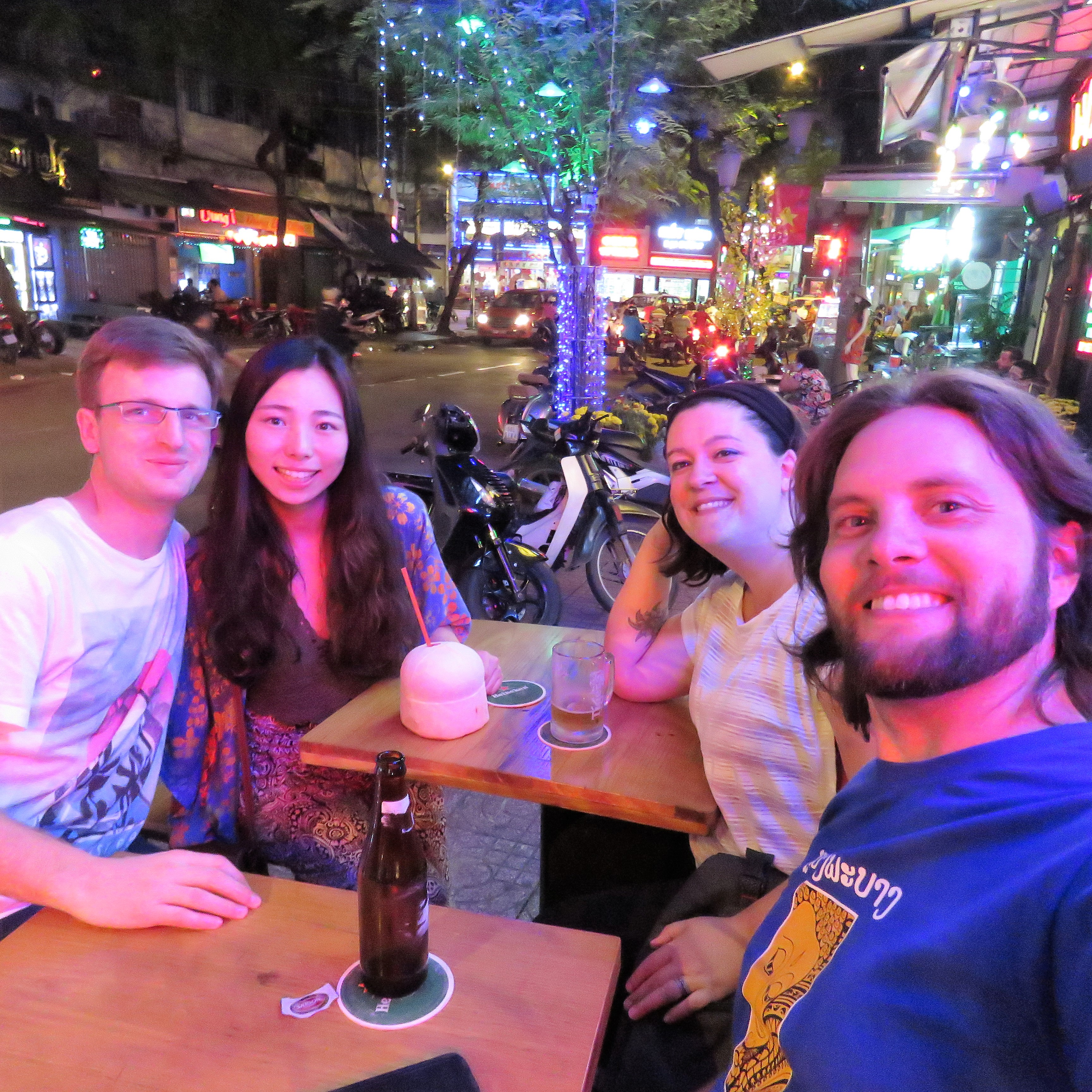
We did enjoy a few beers down this street, but we had a lot more planned than just Saigon Red and Iced Coffees!!

img_7470
We also had plans for drinking lots of coconut milk…but more on that in my next post!!

Our Holiday

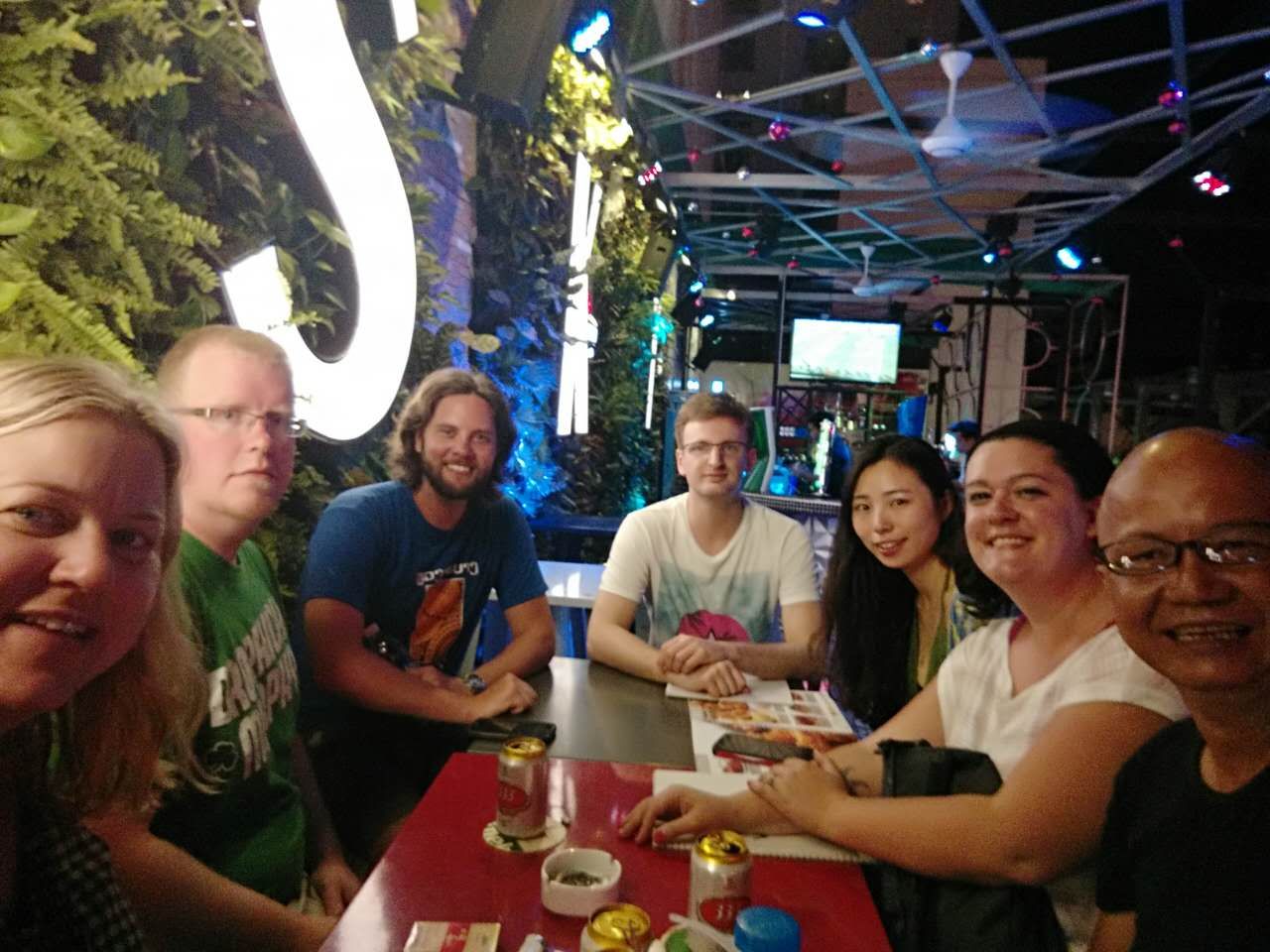
A few months back, when we were planning our holiday in HCMC, we discovered that our friends Liz and Jeff were going to be visiting at the same time as we were. We made sure to be staying in the same area, and then as we were planning it, a couple more friends decided to join in on the fun! It turned out that 6 of us were all in Saigon at the same time! The best part is that Liz actually lived in HCMC for 4 years, and she was super excited to show us around.

img_7110
Michael and Miya were the first to arrive in the city, so we had beers and dinner with them while we waited for Liz and Jeff’s delayed plane to arrive
mmexport1485520478413
When we estimated that Liz and Jeff’s plane arrived, we went to a crappy little bar and tried to get online. Liz and I messaged back and forth for a while until we realized that she, Jeff and their friend ‘Risky’ had been sitting at the bar RIGHT across the street from us for an hour already. We could actually SEE Jeff from where we were sitting!!!

Unfortunately, we didn’t get to do a lot of the things Liz had wanted to do, because it was Tet (Chinese New Year). Just like in China, everything closes down during the holiday. The few places that DO stay open, charge an extra 20% too, which was unfortunate. We still managed to have a good time though and we did lots of exploring in the city and also in the area.


The Sights

There are a few cool things to see around HCMC. Dave and I had a day and a half to ourselves before everyone else arrived and we were able to explore the War Reminents museum (I’ll be writing about that in a separate post) and the Flower Street that is set up yearly for Tet.

There is a huge market near the backpacker street where we were staying called Ben Thahn Market. Dave and I explored on our own a little bit and we ended up back there with Miya and Michael later in the week. Our first visit was short and overwhelming, but the second time around we took some time to explore the place. Bargaining is always part of the experience and I learned a new tip from Miya! If you want them to drop the price a bit more, just tell them they’re beautiful!! It actually worked!!!

Another stop we made with Michael and Miya was the Notre Dame Cathedral and post office, which are actually right next to one another. Both buildings are beautiful. I can now say I’ve seen Notre Dame cathedral in 2 different cities (I also saw it in Montreal). Unfortunately, I’ve yet to see the one in Paris…though one day I am sure I will!

Saigon is home to several museums, including the War Reminents Museum (with information about the Vietnam War), an art museum and Reunification Palace. We went to the palace yesterday, mostly to escape from the heat. The building was the center of government for many years and it now acts as a museum where you can see original furniture, decor and even an underground bunker from when the palace was still in use.

Although the palace has a tonne of potential for being a great stop for tourists, there are definitely some key issues preventing it from really shining.

For one, there is a real lack of signage in the museum. On the main floor there are some explanations regarding which rooms functioned as what, but in terms of the smaller rooms, it would have been great to have some stories that tied people to the rooms we were looking at. Without that kind of information, we were just looking at dated desks and chairs.

And telephones….so…many…telephones!!

Overall it was pretty cool. The bunker was interesting enough and I found the kitchen pretty neat to see.

The bedroom was also interesting. They had a really cool old hair dryer and for some reason, there were 2 toilets in the adjoining bathroom.

Overall it was a fine way to spend an hour, but I think the War Remnents museum was a lot more educational and it definitely left a bigger impact on me.

img_7595
Our ‘pompous’ faces in front of the ‘pompous room’

We also had a chance to find a Geo Cache while in Saigon. Miya was pretty excited because it was her first chance at this game. I, as always, dragged my heals until we were there, and then got into it. The cache took us to a very pretty fountain where I got some great shots.

I saw Michael trying to take a picture of Miya for her, and I offered to help. It’s nice having a willing model to photograph lol!!!

So that’s what we managed to see in Saigon proper. We also ventured out to Monkey Island, about 2 hours outside of the city. We rented motorbikes for the day and followed Risky and Liz all the way to Lam Vien Can Gio. There, you can see monkeys and salt water water crocodiles.

Once more, Tet prevented us from the full experience. We weren’t able to see the crocodiles, and we were given 5 minutes to take some photos of the monkeys before we were shooed of the park so that the guards could go home. To be fair, those guides did stick around and they even called the monkeys over for us, even though it was their holiday. That was pretty awesome of them!

Of course, as is often the case, we made a feline friend along the way….

The best part of this trip was the small detour we made on the way back. We stopped by the ocean to see where the Mekong mixes in. The water isn’t exactly clear, but it was a gorgeous way to see the sun start to set.

That’s about it for Ho Chi Minh City! Next, I’ll be writing about our trip to the Mekong Delta, which is one of the most lush and beautiful places I’ve ever seen in my life!!

Charming Luang Prabang

Traveling has its difficulties. Living out of a suitcase can get pretty old. Arriving at a hotel to discover that it smells like sewage can be pretty depressing. Travel days are exhausting. But the worst part of traveling is traveler’s diarrhea, or as I like to call it ‘Montezuma’s Revenge’

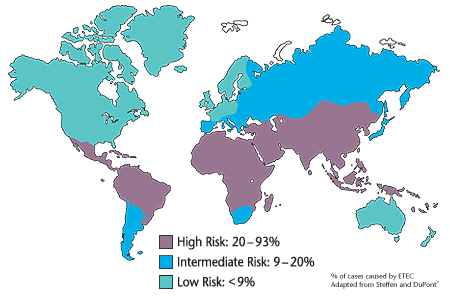
travellers_diarrhea-3
For some reason, Dave and I love traveling in the most high-risk areas for this terrible affliction…

This is a special kind of ‘food poisoning’, where your gut bacteria decides that it doesn’t like a new cuisine and proceeds to evacuate everything from both your stomach and intestines at such a violent pace that you end up with sore ribs.

go-back-gallery-for-nausea-and-vomiting-diarrhea-hvjg38-clipart
For my readers who learn best through the use of visuals…

I spent the first 24 hours of our 3 days in Luange Prabang wishing for death…or that at least the smell of sewage in our hotel would subside. Luckily, this never seems to get me sick for more than 24 hours, and by day 2, I was able to go out and explore the city. I quickly fell in love.


Luang Prabang’s History

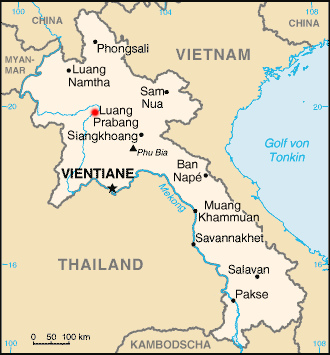
Luang Prabang is located in North-Central Laos. The main city itself is a UNESCO World Heritage sight due to its many Buddhist relics and well preserved historical buildings.

karte_luang_prabang_laos

It’s a small city, but has a tonne of history. Because it was the capital during Laos’ French Colonial period, there is a tonne of really cool architecture in the town. The mixture of colonial and traditional Laos buildings make it a great place for taking photos!


Buddhism in Luang Prabang

Luang Prabang translates to ‘The Royal Buddha Image’. I imagine this is because this is the town to see if you want to see Laotian Buddhist Architecture. We saw countless temples while we were there. I actually lost count of which ones were which, so I apologize that I can’t properly label them.

Some temples were extra interesting. Dave found one that had this really interesting rock jutting out in front of it. Another is said to have Buddha’s footprint in it. Buddha was apparently HUGE!!!

Luang Prabang is also known for a daily ceremony of local monks. Each day, at around 6am, monks walk the streets, asking for alms (donations). We never actually saw the procession, because as far as I’m concerned, 6am doesn’t exist when I’m on vacation, but it would be pretty neat to see. We did stop at one monastery, though, where I followed a cat around and got some really neat shots of it, with the Monk’s robes drying in the background.


Handicrafts in Luang Prabang

As interesting as temples can be, they aren’t the only things Luang Prabang has to offer. There are several craft villages around the city. We attempted to visit 2 of them, but only one of the trips was successful.

We had better luck in the Paper and Weaving village, where we bought more than one souvenir!


On Our Way to the Waterfall

The best part of our trip to Luang Prabang though, was without a doubt, the trip to Kuang Si Falls.

img_6769
For obvious reasons

There is more than one way to get to the falls. Most people take a tour with a group or with a Tuk Tuk driver. We opted to rent a motorbike instead, and found our own way, which was half the fun!

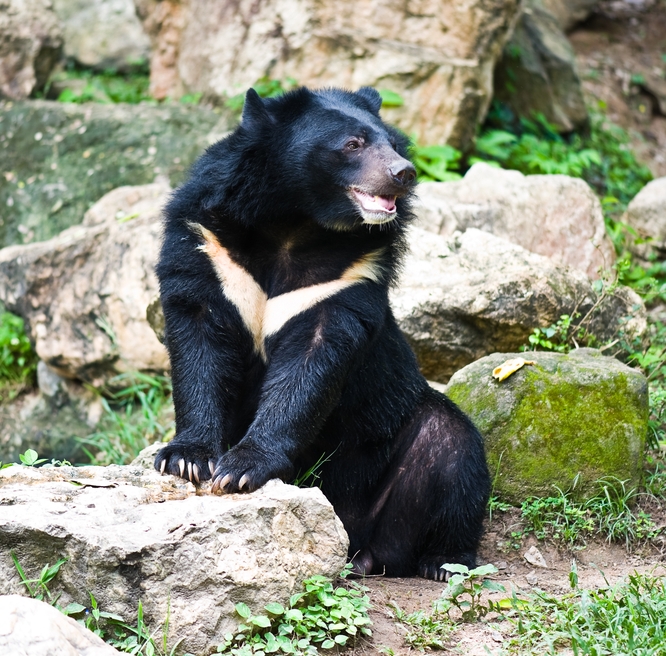
The first thing you see when you enter the park, is actually a bear sanctuary. Asiatic Black Bears (also called Moon Bears) are incredibly cute, but are also becoming incredibly endangered. They are captured all over Asia for use in Chinese Medicine.

Bear Bile has been used in Chinese medicine for over 1000 years. The bile is mostly used to help with gal bladder and liver conditions. Fortunately, there are herbal options that are equally effective as the bear bile; unfortunately, people in China still think the bear bile is better. As a result, Asiatic bears are captured and literally tortured for years for the sake extracting bile from their gal bladders.

The bear sanctuary has saved their bears from these farms. They also rescue bears who have been injured in traps. We saw one bear lumbering around clumsily because it was missing one of its front paws He made me think of my sweet Hugo, and how adaptable animals can be.

asiatic-black-bear
I never got this good of a picture, so I stole it from the internet.

If you ever want to get me a Christmas or Birthday present, but aren’t sure what I’d like (and don’t want to pay outrageous shipping fees), please donate to ‘Save the Bears’ or any of the other organizations I’ve mentioned in past posts.

img_6989
I’ll be writing about the UXO foundation in another post, but this is another cause I’m very passionate about.

The Kuang Si Falls

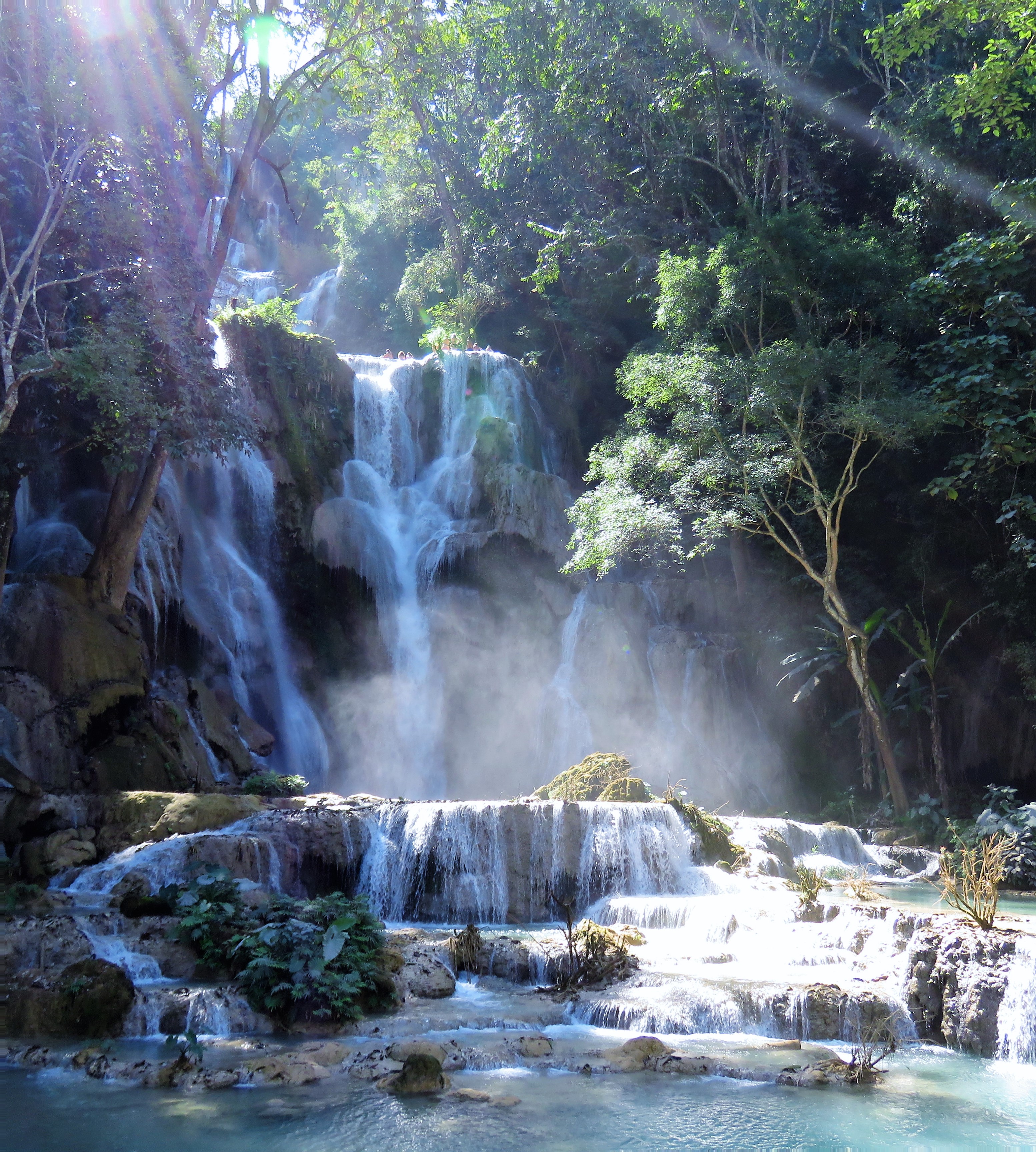
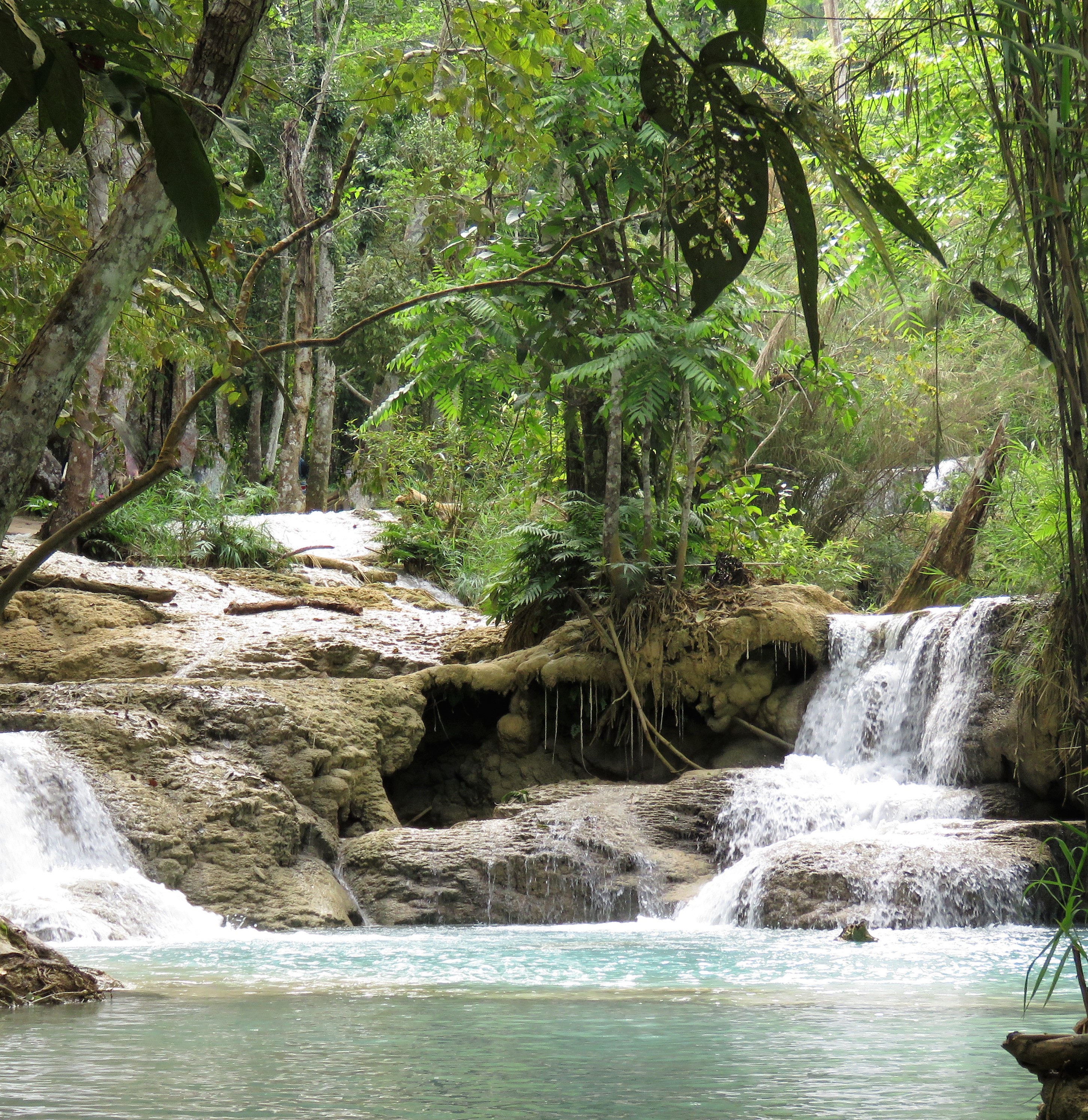
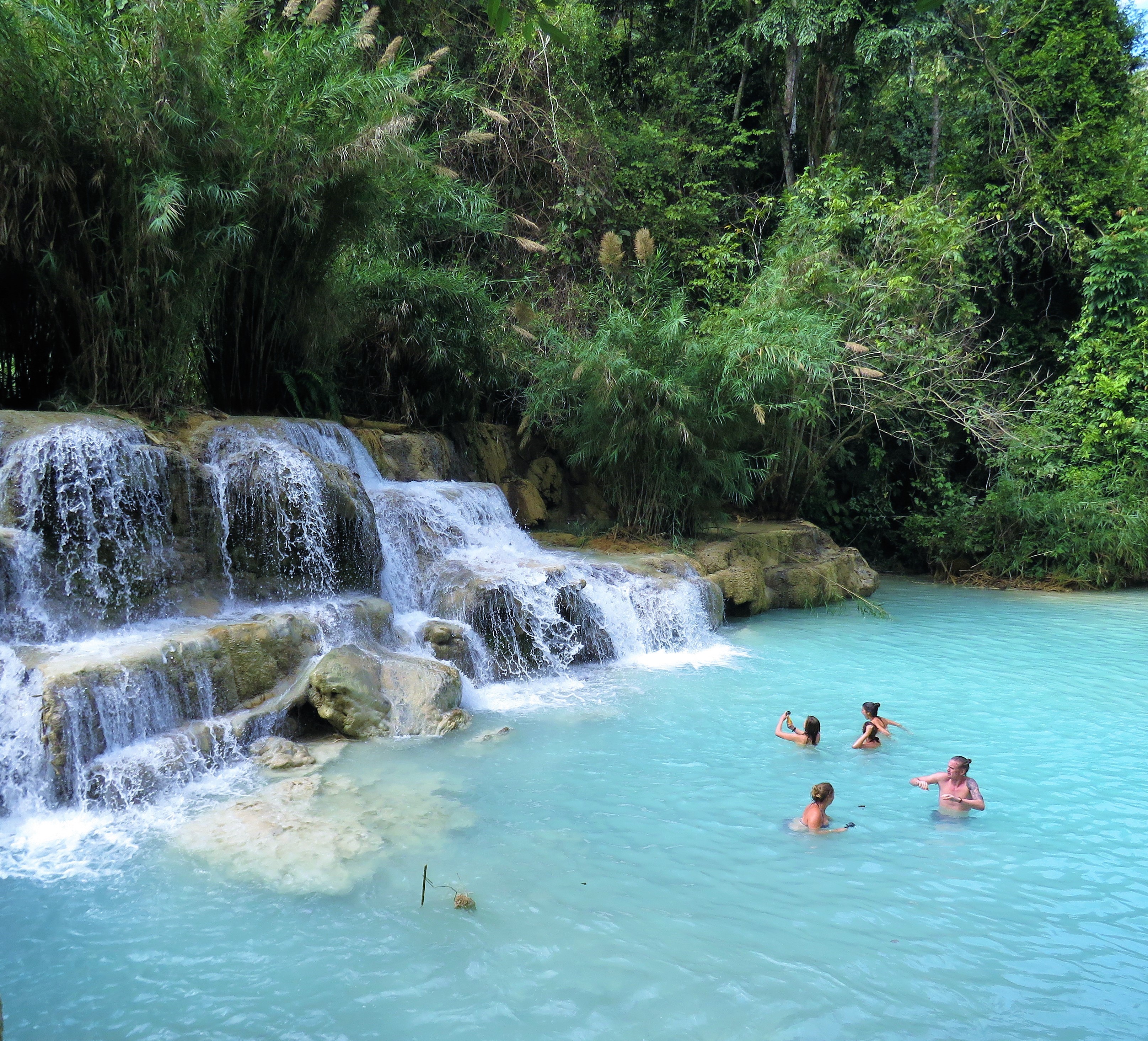
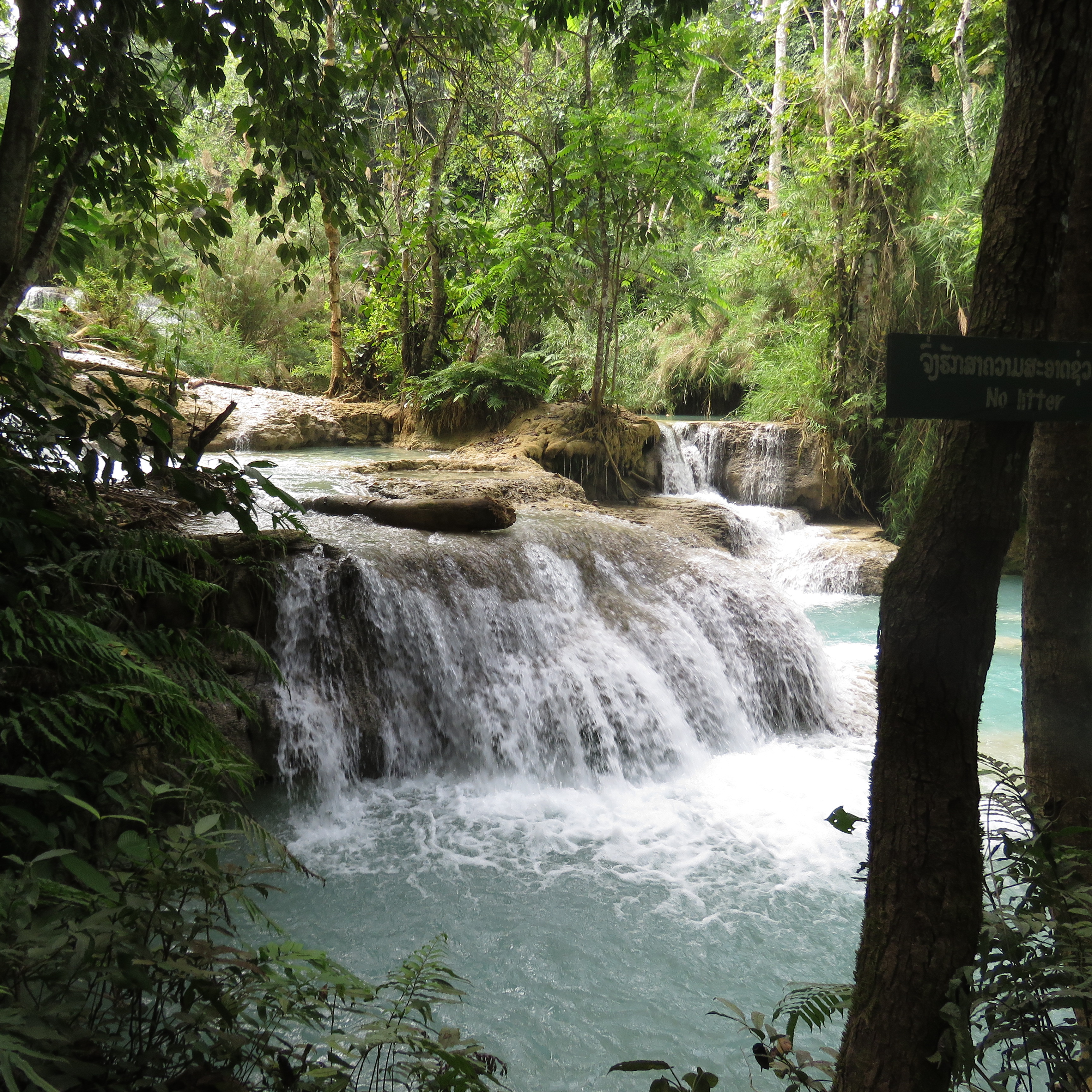
The falls themselves are well worth the trip, no matter how you decide to get there. They go on for ages, and the final view of the big falls is absolutely stunning. I’ll let the pictures do the talking for me…

As you continue up the hill, there are places you can actually swim at the falls. Dave and I both regret not bringing our bathing suits, as this would have been a gorgeous spot to go for a dip!

img_6831

As we continued on, the falls got bigger and more beautiful.

The scenery around the falls was very nice as well. Even the garbage cans were cute, and there was an old water wheel as well.

Finally, we arrived at the big falls, which are even more beautiful than the little ones! I hadn’t actually looked at the pictures online, so I wasn’t expecting anything this gorgeous, so it was a rather awesome surprise when we arrived at this point.

So that’s it for Luang Prabang. I’ve got plenty more to write, as we are now in Ho Chi Minh City! Stay Tuned!!!

On The Road – Taking the Bus in Laos

South East Asia has a reputation for bad drivers. I’m here to clear some things up about Laos, as well as to show off some of the gorgeous views I saw on my way to Vang Vieng and Luang Prabang.

img_6391

1.) Your Options

There are a few different options for tourists in Laos. Currently, there are no great train options in South East Asia, but it looks like soon, that will change. For now, taking a bus is the best way to get around in both Laos and Cambodia.

download
This is going to change things for these countries!

There are 3 types of buses. The first kind are standard, long distance buses. Think of a Grey Hound bus, but add in more people, more luggage and less air conditioning. Some tourists report that some of these vehicles are so old, they have difficulty climbing the steep hills on the way to Luang Prabang. We decided to avoid that option…

The next option is a miniature version of those buses. They are smaller and more narrow, but they are a bit roomier than the mini vans. We took one of those to Vang Vieng. It was pretty comfortable and I even managed to get a bit of sleep on the way…that is until our driver started showing off his driving skills….(more on that in a second…)

images
It’s like an ‘inbetweeny Van’

The last option is a minivan. This choice is slightly bigger than the mini-vans your parents drove you to soccer practice in at home, and they sit about 15 people. They’re usually pretty cramped, but they ride low and make for a smoother ride. They’re also usually in better condition than the buses. We took a mini van to Luang Prabang.

download-2
They somehow manage to fit 15 people in that thing…

2. The Drivers Drive…Differently….

It’s common to see drivers pounding back energy drinks and trying to stay awake and alert throughout the long trips. This is terrifying. More than once, Dave thought of offering to take over for our driver, who didn’t seem to be affected by the M510s he was emptying and throwing out the window.

34630
An M510 energy drink. There are rumours that they contain Amphetamines, which is untrue. In reality, they’re about the same as drinking a Redbull. Which still isn’t great…

Our drivers didn’t speak much English, but it didn’t really matter because it was obvious from the first kilometer…their only concern was getting us from Point A to Point B in as short a time as possible. This often meant speeding, weaving in and out of traffic and slamming on the breaks at the last second to avoid rear ending someone who has slowed down in front of them.

images-5
I think it’s safe to say that ‘Drivers Ed’ isn’t a thing in South East Asia..

If you’ve driven in Asia, or have lived in Asia for a while, don’t worry. It’s not too much worse than everywhere else. If you’ve only ever driven in the west…prepare yourself. You’re in for quite the ride!!
3. The Passengers Suffer

Some blog posts I read said that passengers were throwing up from all the winding roads in the countryside. Others described anxiety during the trip and pure relief upon arrival. My experiences weren’t this bad. I felt a little car sick once or twice, but I get car sick even on the best of roads!

img_6408
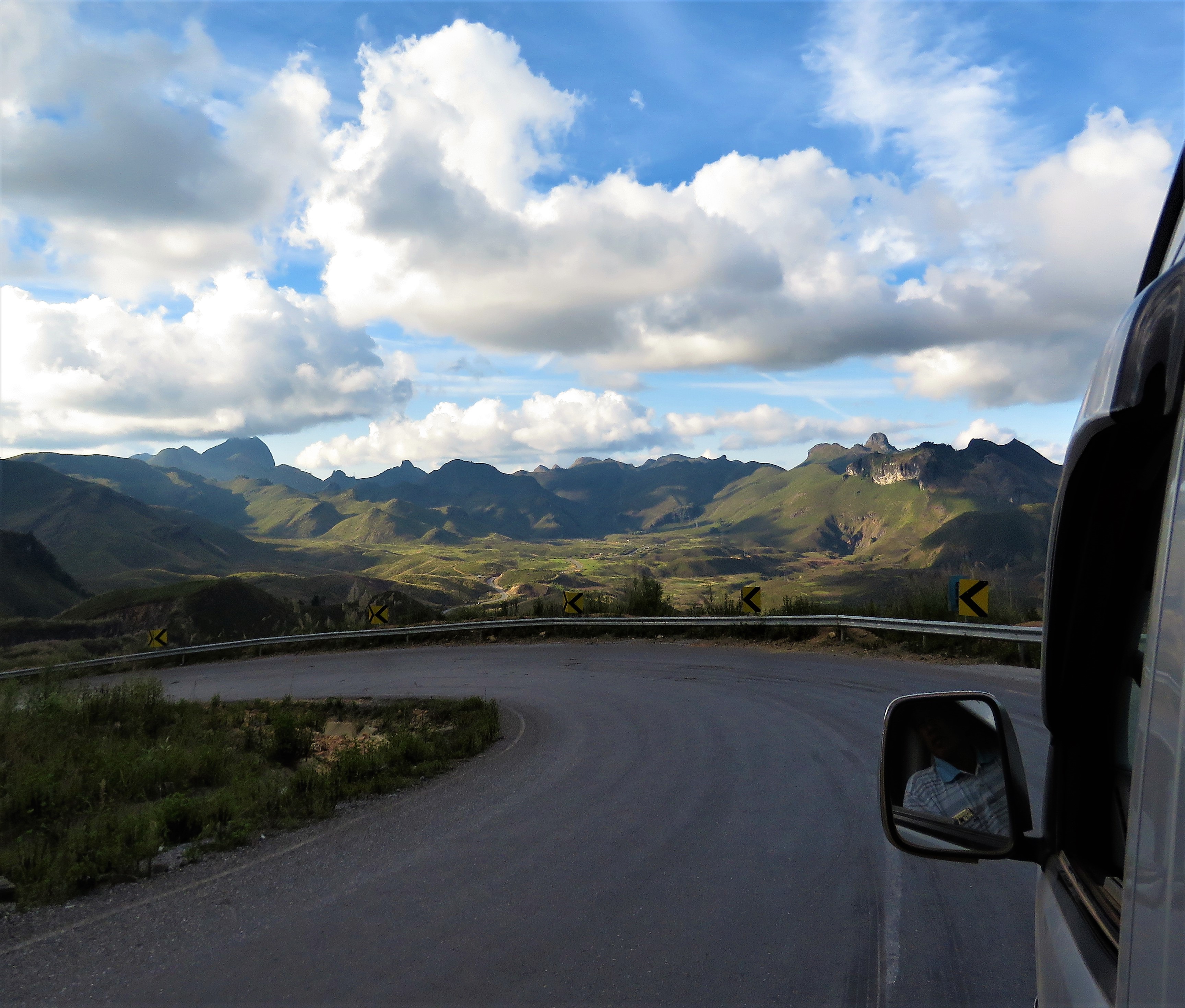
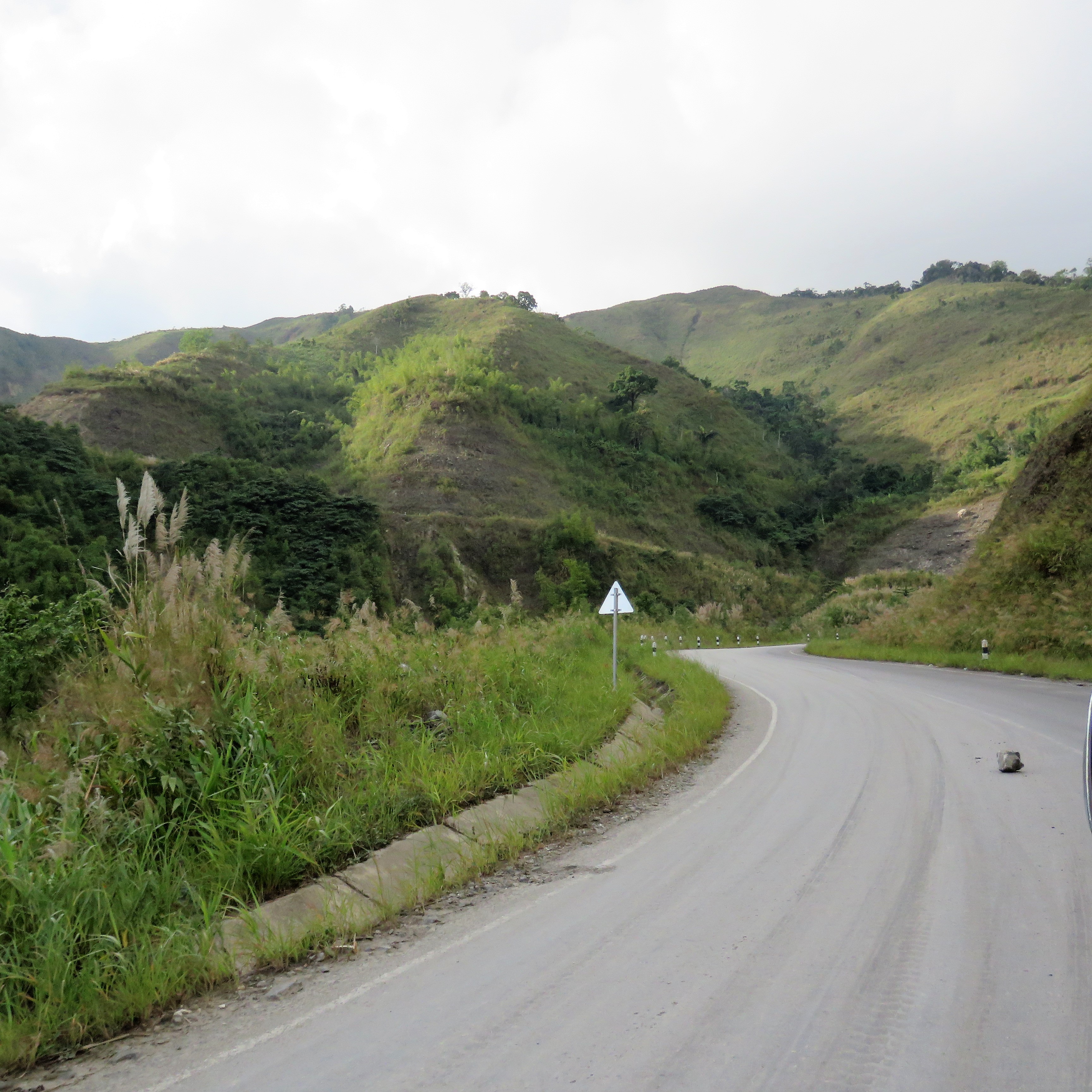
The roads are VERY windy. They wind all the way up the mountain

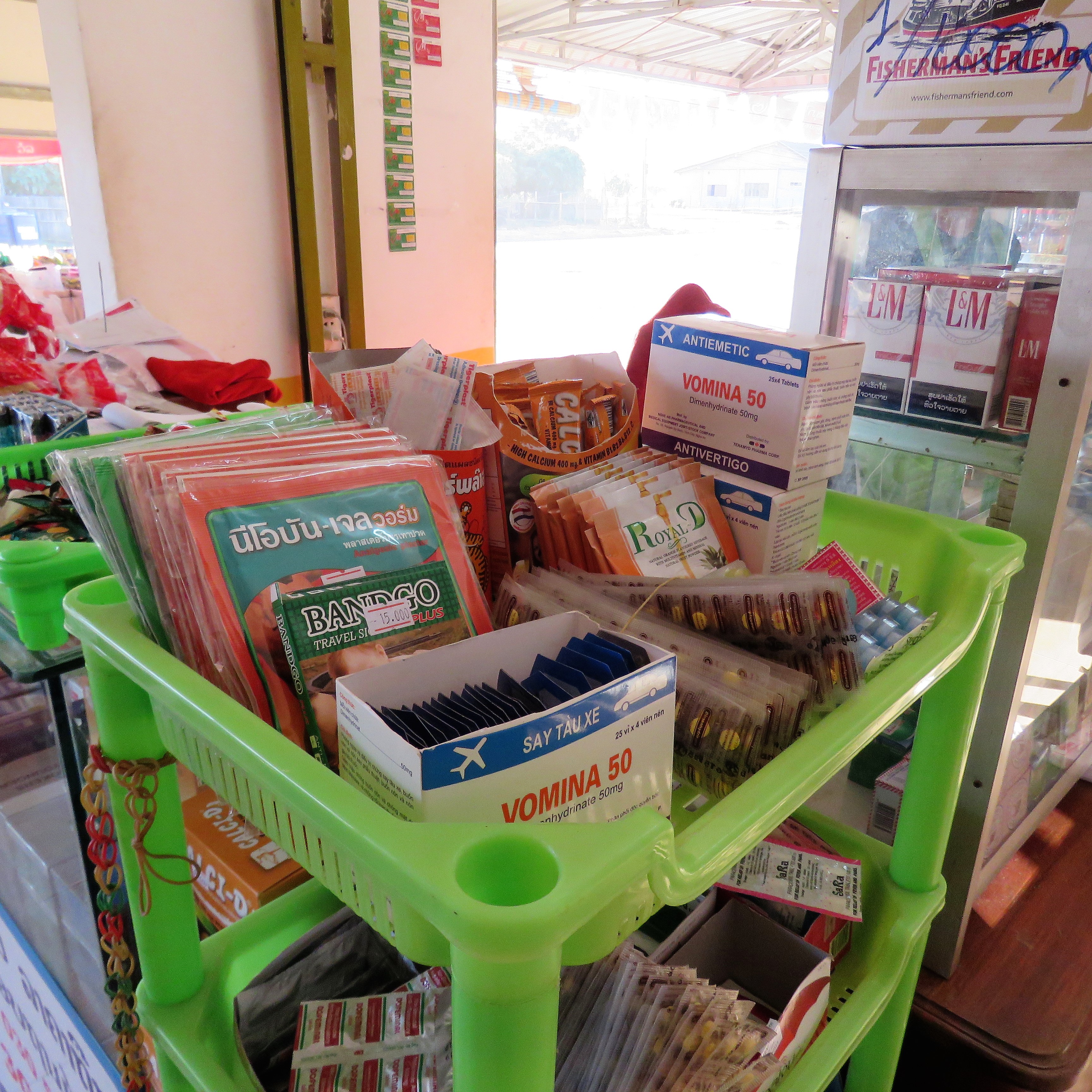
Luckily, many of the regular pit stops that these buses make, have stores that sell motion sickness patches and pills! You know it’s a problem, when…

img_5859
They even have several different brands to choose from!

4. It’s Worth The Ride

Having said all this, I’d like to finish this post on a positive note. South East Asia is beautiful!! The landscapes here are simply stunning, so although you might feel sick, and you’ll probably be scared out of your wits once or twice, it can be worth the trip to take the ride. Remember, these drivers may seem crazy, but they have some of the fastest reflexes I’ve ever seen on a non-cat!!!


5. Final Tips from the Kinetic Canuck

  1. Don’t take the trip on a full stomach. It’s just not a good idea.
  2. Don’t take the trip on an empty stomach. Some routes only have 1 or 2 stops with questionable food choices
  3. Bring some music to enjoy. It can help keep your mind off of your stomach if you’re feeling sick.
  4. Don’t worry too much! Enjoy the views and remember that these drivers take these roads every day! (and if they are falling asleep…offering to drive for them usually shakes them up pretty good and gets them to pay attention to the road a little better!!!)

I’ll be back soon with a blog post about our final stop in Laos; Luang Prabang!!

img_6809
Sneak Peak!!

Visiting Vang Vieng

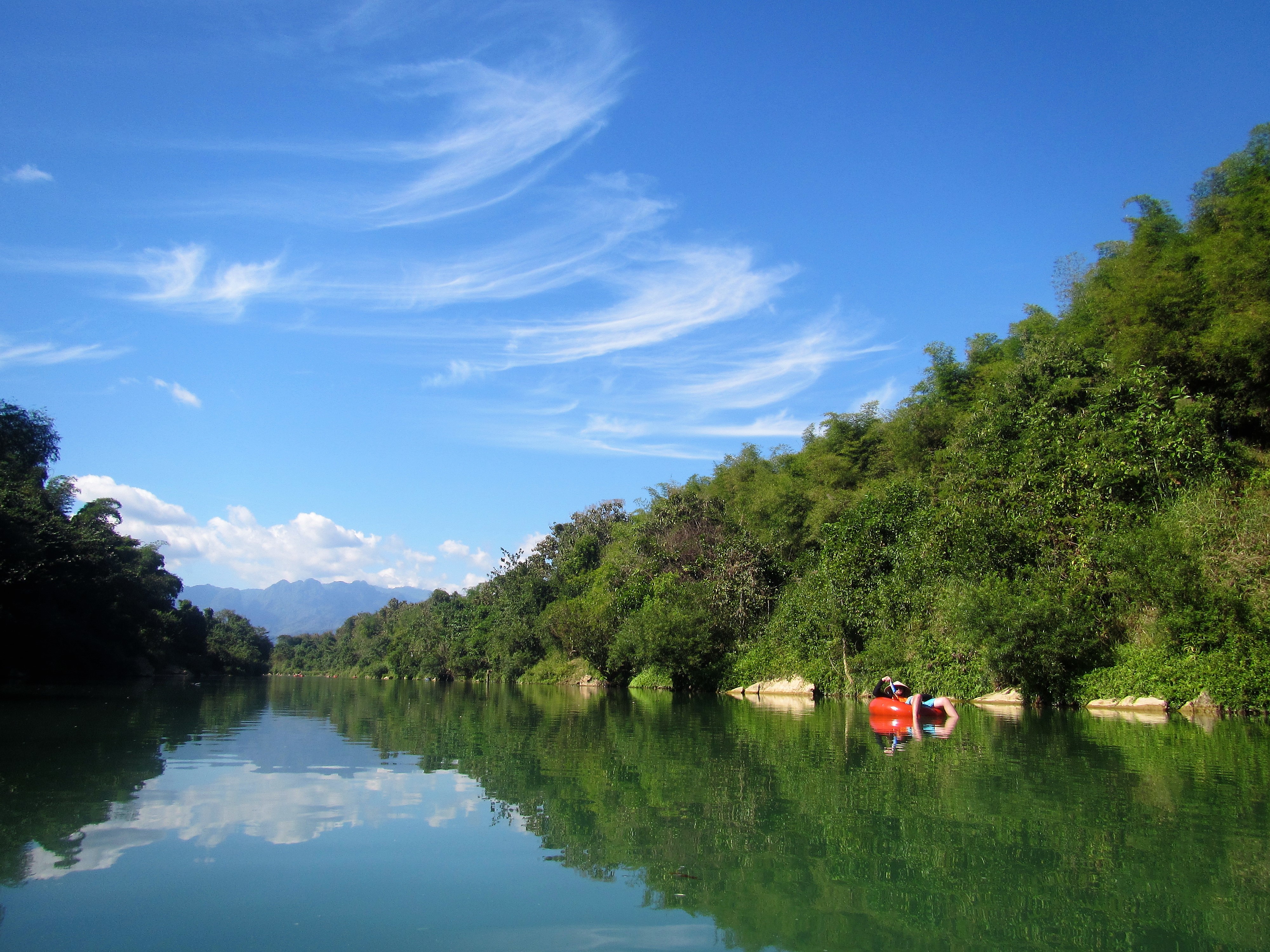
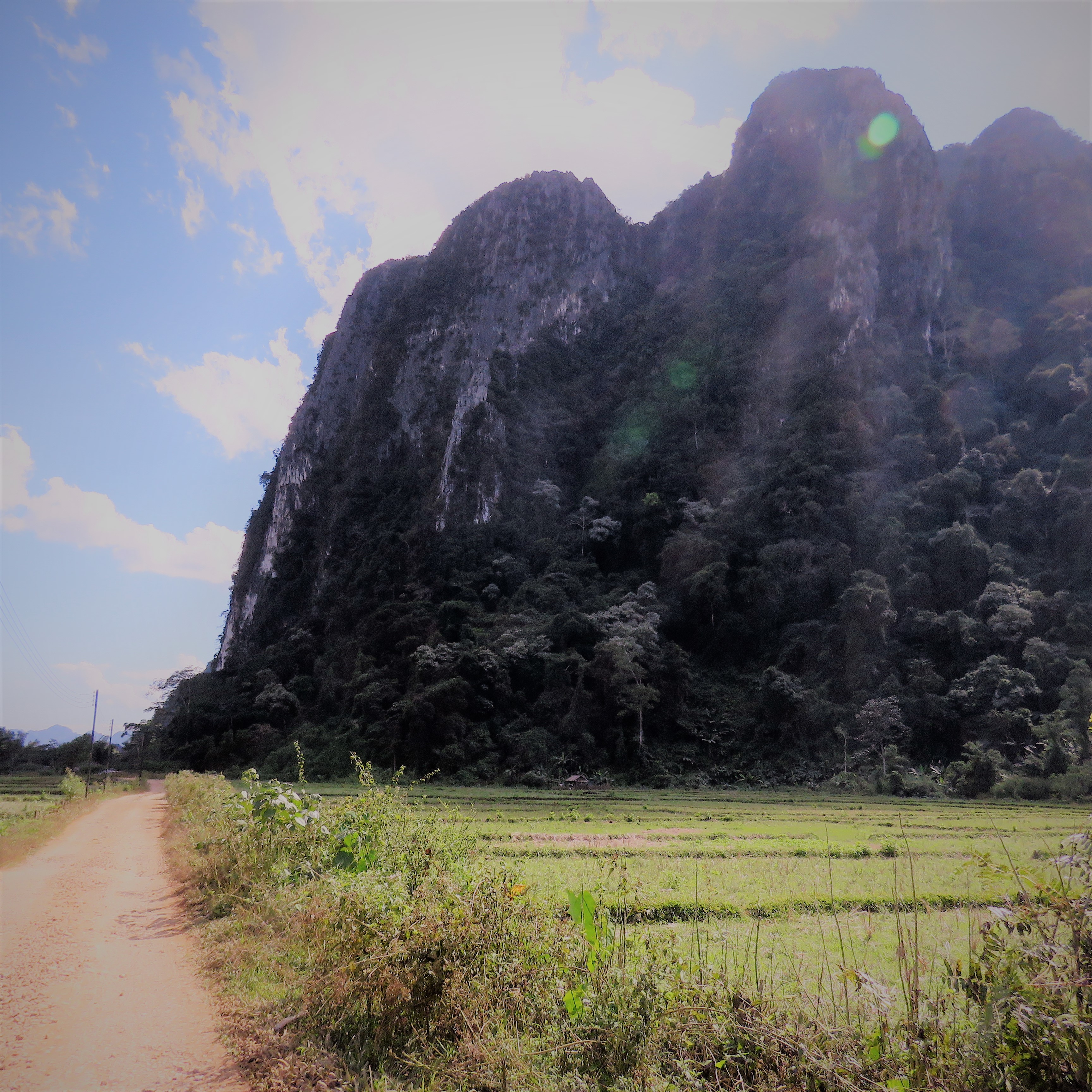
In about an hour from now, we’ll be on our way to Luang Prabang, our last stop in Laos. Vang Vieng has been everything we’d hoped for, and more. I can’t remember a time when I loved a landscape this much. It even rivals my love for Vancouver’s Stanley Park. Vang Vieng is lush, raw and it has everything I love: trees, mountains, animals and gorgeous winding rivers.

There is plenty to do here, and although the main draw for tourism is tubing down the river, I much preferred our first day here, when we rented a motorcycle and spent the day cruising around the countryside. My former student, Ivy, said it best: a beautiful landscape can calm anxiety and help you relax. With scenes like this, I was finally able to unwind from my stressful fall term:

img_6102

We spent 4 hours cruising around. I feel like it was impossible for me to take a bad photo! Even on the back of a moving motorcycle, I was in a photographer’s paradise!

We saw plenty of animals along the way. Cows, chickens and pigs roam freely in the area. Everyone watches out for everyone else’s livestock. And here, like India and everywhere else I’ve ever been, cows rule the road.

We passed countless children on their way home from school. I know that poverty is a real problem here; Laos is a 3rd world country and is on the UN’s list of the world’s ‘least developed countries’ (along with Haiti, Ethiopia, Bangladesh and others). Still, the people who live here have a sort of wealth that I envy. They may not have flat screen TVs, but they have a pretty spectacular view. They may not have Xboxes and Macbooks, but they play football with the world’s nicest backdrop. They are wealthy in their own way.

Of course, this doesn’t mean that I’d trade my life for the life of a Laotian. As I mentioned in my last post, 300 people per year die here from UXOs from the Vietnam war. Laos’ GDP accounts for only 0.02% of the world’s economy, and as a result, people live in extreme poverty. They rely on donations from other countries to do things like build bridges or fix roads.

Tourism is important in these parts, and I always take that into account when I pay more than locals for food, drinks and pretty much everything. I have the money. I don’t mind paying a bit more. Luckily, Laos does have incredible attractions for people to enjoy.

Attractions like….
Caves

This cave was small and terrifying so I never went into it. There are more caves than I can even count around Vang Vieng. Dave braved his way up this terrifying ‘staircase’ and was at the top before too long, exploring. I stayed down below and took some pictures of the area.


Lagoons

Blue Lagoon is one of Vang Vieng’s most visited locations. Unfortunately, it are very popular with the crowds, so we never went swimming. It was crowded and they were closing soon after we arrived, so we never bothered to try.

Instead, while the rest of our group swam, we explored the area a little bit.

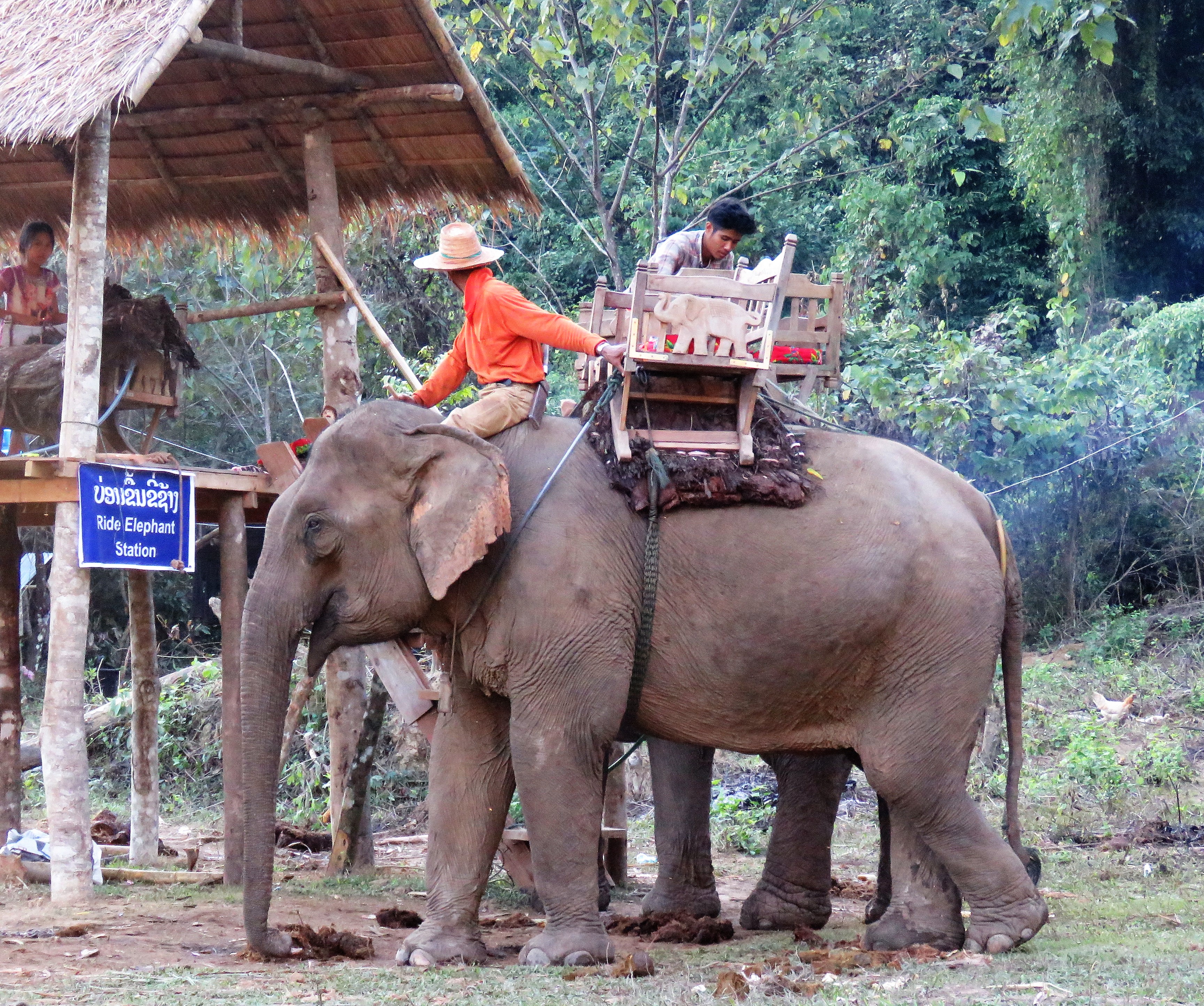
We saw some people giving elephant rides, which was discouraging. There are so many attractions around these parts that there’s no reason to include elephant rides. The tour guide tried getting us to come over, but I snapped a picture and turned away. Mostly I just wanted a chance to remind my readers again how awful elephant rides are.

img_6310

The Blue Lagoon did end end up providing us with some entertainment at the end of our stop there. A Chinese man had decided to jump off the high trunk of a tree. It was about 20 feet up, and he had climbed up, but didn’t want to jump. We watched him for more than 20 minutes. He jumped just as we got on the bus. It was pretty funny. I felt bad for the guy, but at the same time, I KNOW I’m a wimp, and that’s why I didn’t go up there in the first place.


Zip Lining

I’m not going to go into much detail about the zip lining because I decided to write a short story about our experience. My major focus in all of my writing classes was creative non-fiction, and it’s been ages since I wrote a non-fiction story, and our trip out into the mountains had everything that a short story needs: humour, suspense and a clumsy and terrified protagonist. I’ll link that story here as soon as I’m done. For now, here are some pictures.


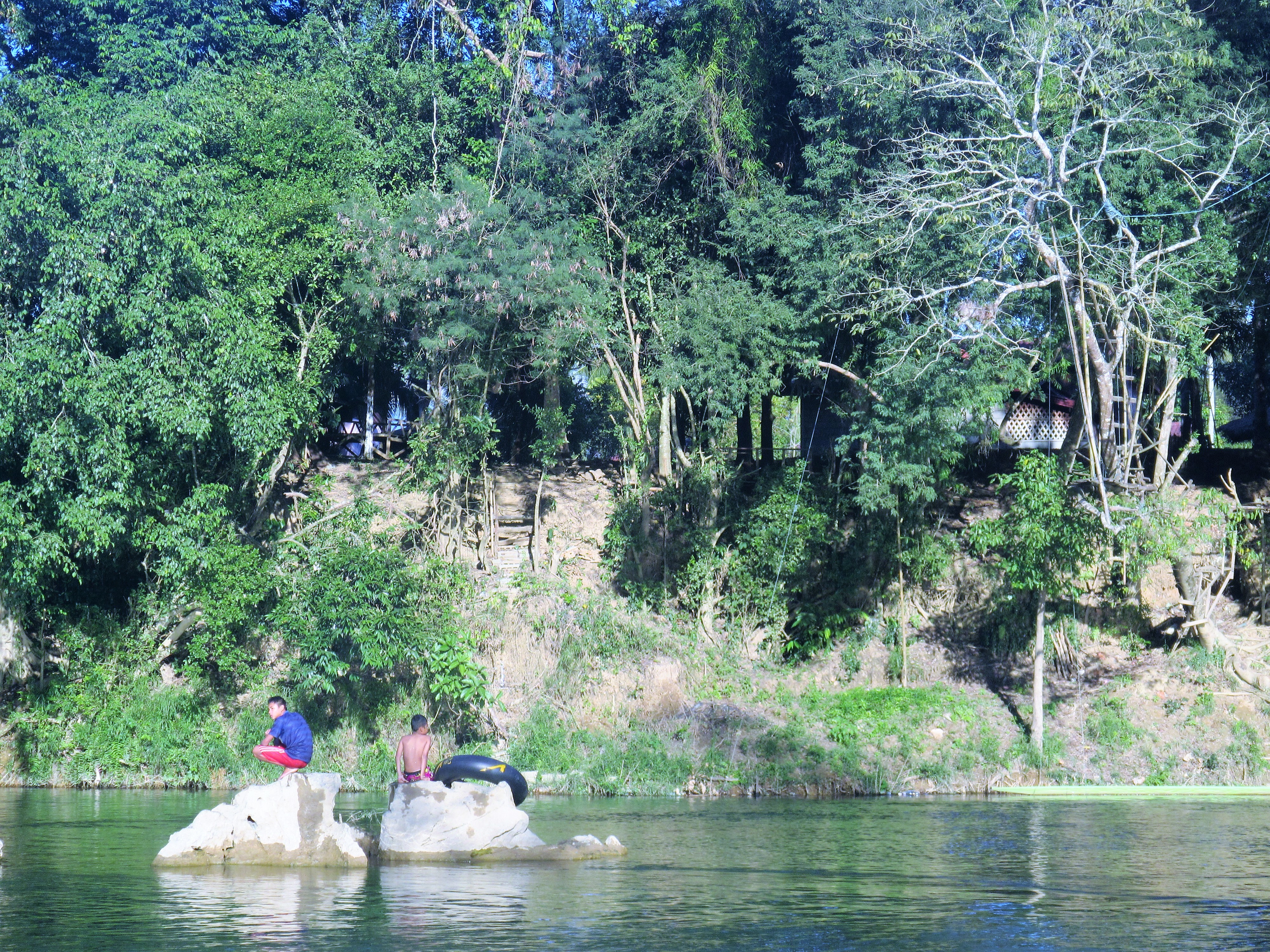
Tubing on the Nam Song River

Tubing down the river is the main reason people visit Vang Vieng. A few years back, the tubing experience was wild. People were getting drunk, getting high and dying on the river. In 2011 alone, at least 27 tourists died in Vang Vieng (the number is actually higher because many of the injured are sent to Vientiane, where they later die). Tourists hurt themselves jumping off of trees in shallow areas and many drowned after drinking shot after shot of Lao Lao (a local whisky) before hopping back on their tubes. It didn’t take long before Vang Vieng became known as South East Asia’s party town.

img_6349
It’s such a beautiful place, and it was nearly ruined by tourists being irresponsible

In 2012, things began to change. South East Asian tourism was suffering because of Vang Vieng’s bad reputation, and the Laotian government was pushed into making changes. I’m happy to say that the river is now a lovely, relaxing place where there are still bars (but fewer of them), but, for the most part, the environment is controlled and safe.

One thing worth mentioning though, is that if you book your day of tubing with the wrong people, you may not have the best time…

img_6271
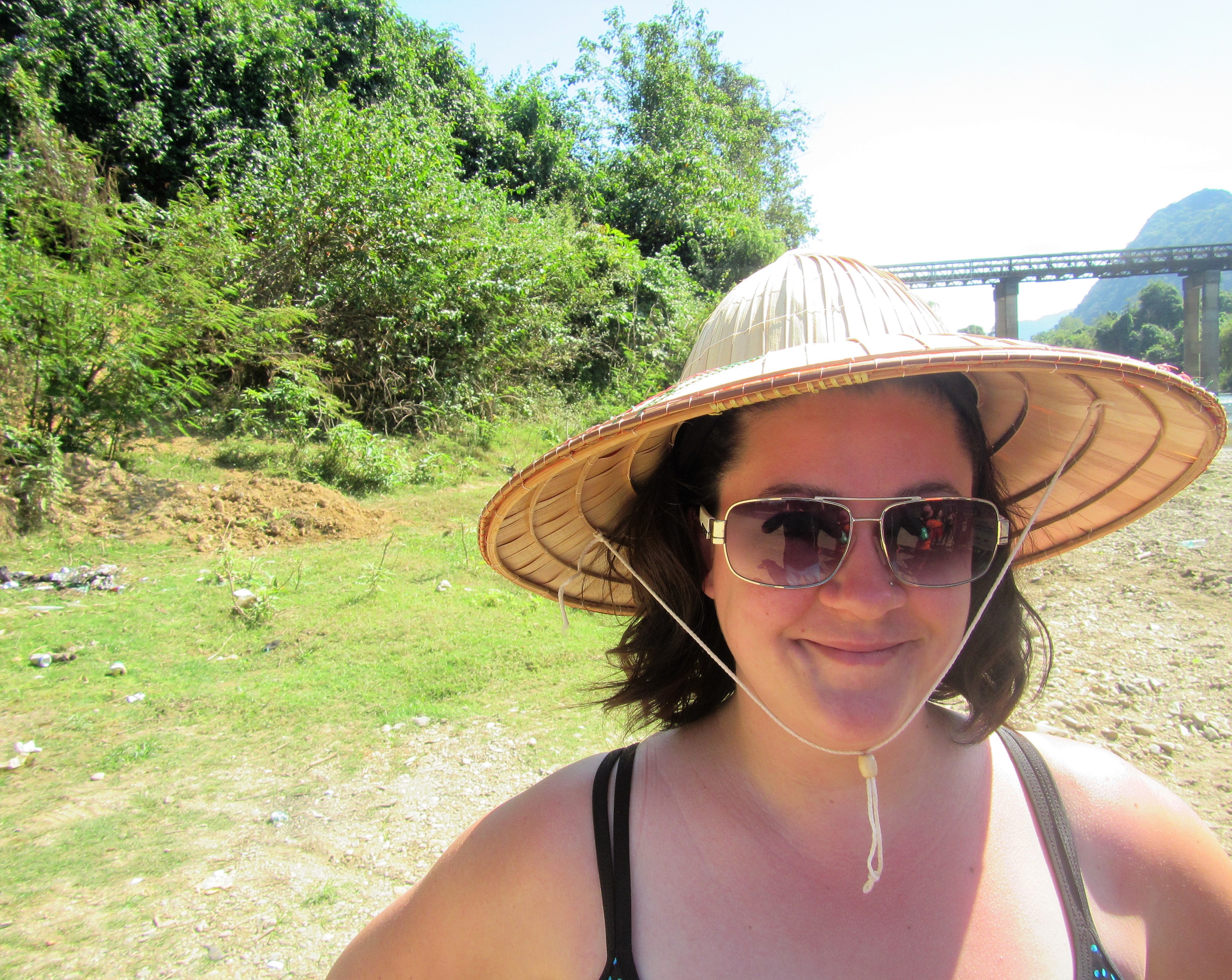
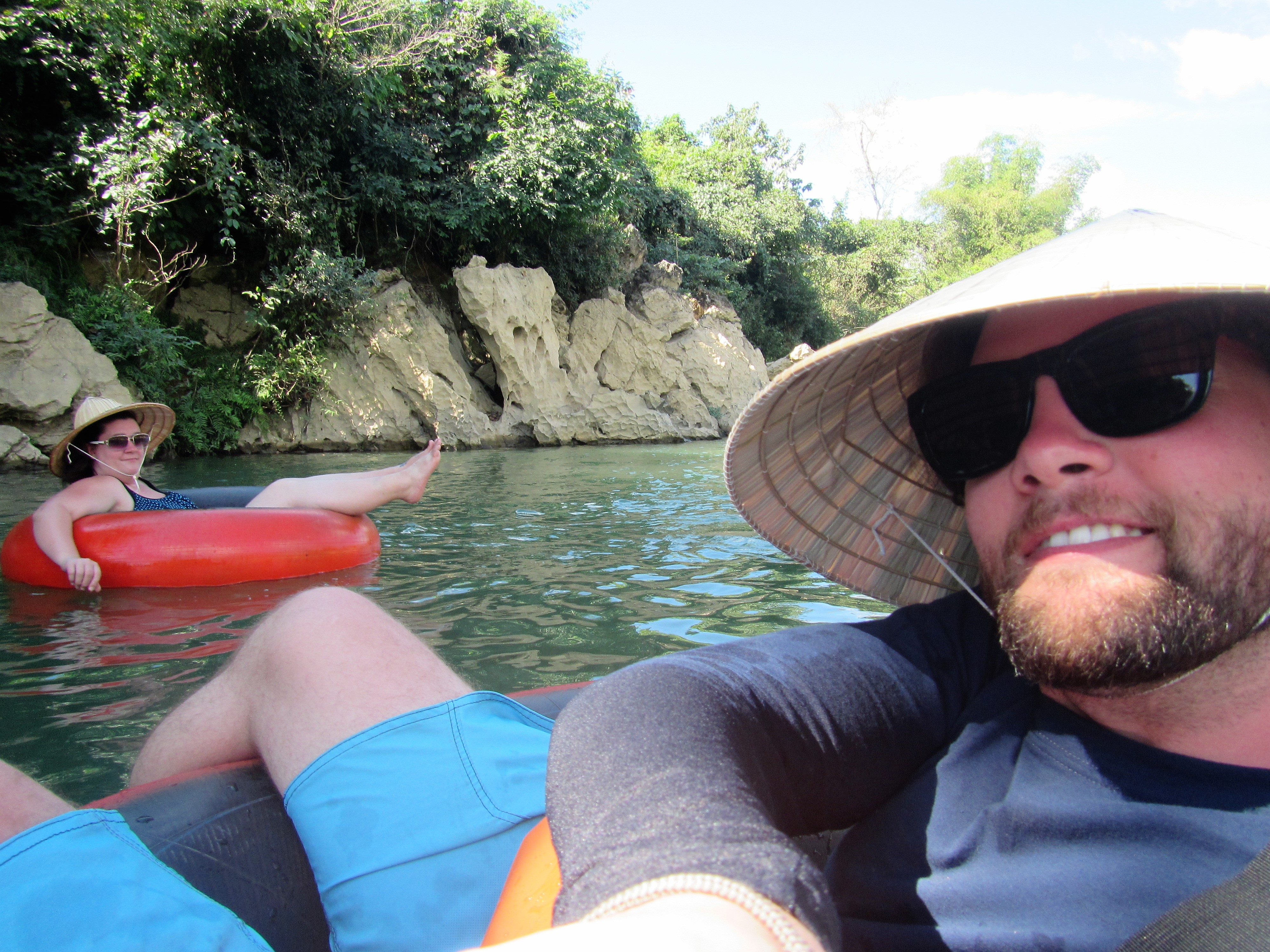
I wasn’t trying to imitate the locals…I was just trying to protect my poor shoulders from further burning

We had planned to take the North river on own own. We figured that if we didn’t go with a guide, we could take our time on the river (which is very lazy and slow moving) and meet up with like-minded people along the way. Instead, we ended up going down the south river with a guide, along with 6 European 20 year olds…

img_6336
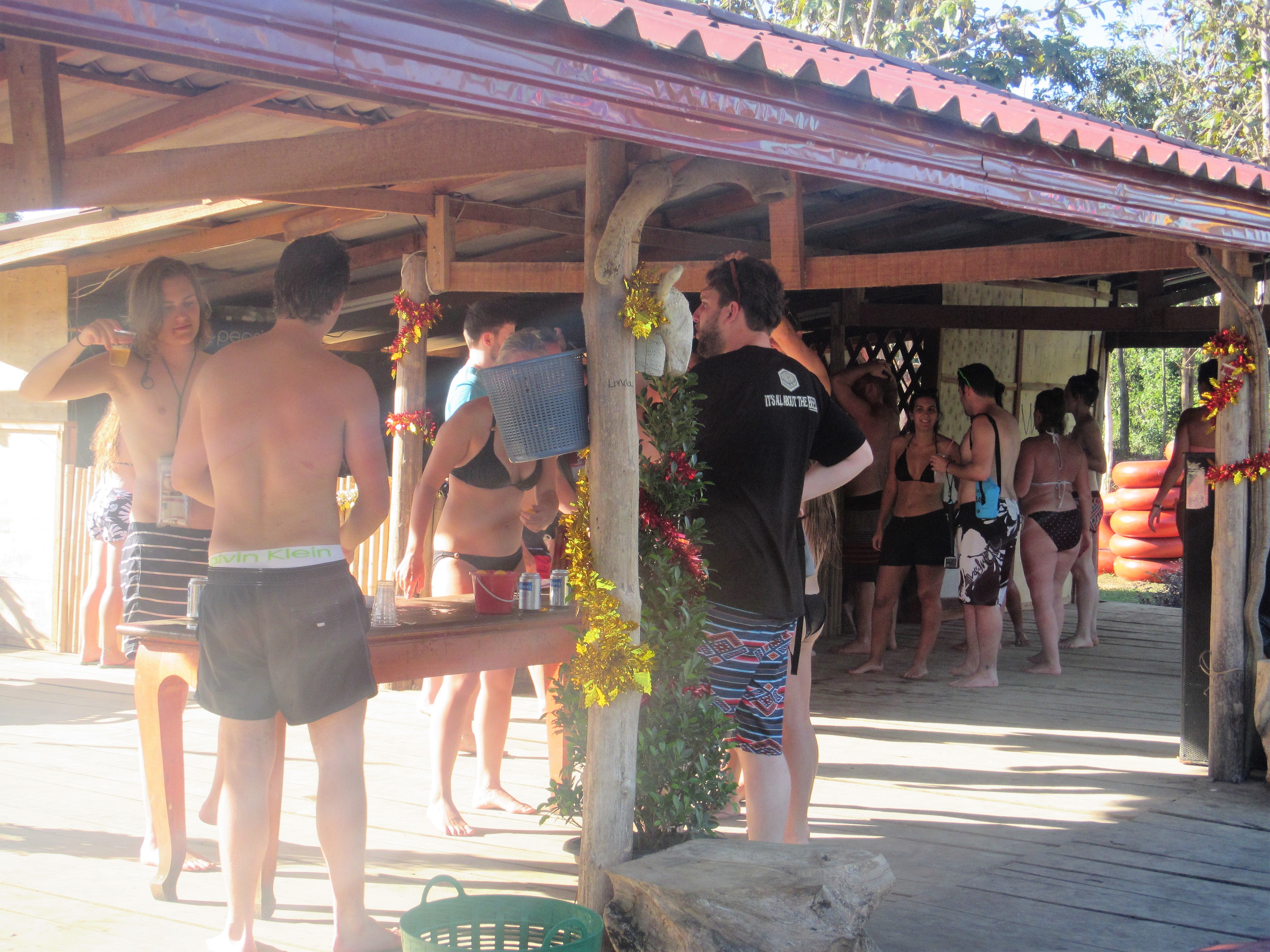
I learned at the beer Olympics this year that beer pong is not my sport. I wasn’t too keen on 2 hours of it…

We were definitely not happy with the fact that we were made to stay at the first bar for nearly 90 minutes. Eventually, we told the guide we were going to leave with or without him. He realized that we weren’t there to get sloshed and assigned us a different guide and let us go ahead. That hour and half was gorgeous. I actually fell asleep once or twice because the river was so comfortable and relaxing.

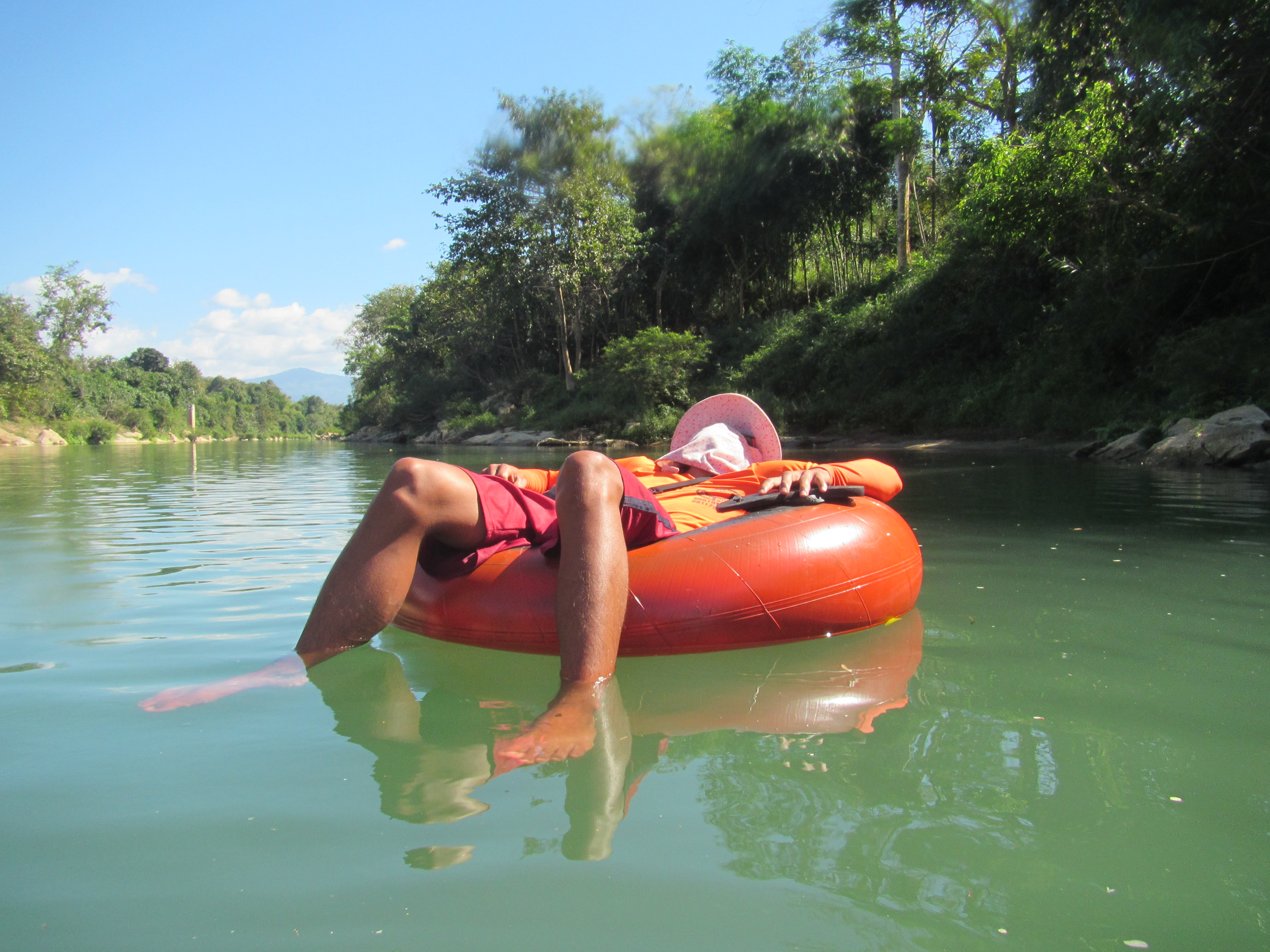
Our tour guide also fell asleep on the way down. He realized quickly that he didn’t need to worry about us, so he enjoyed the ride down.

img_6306
He uses his sandals as paddles and has an awesome hat that he can drape over his face when he naps. He’s thought this whole thing out…

I wish we’d had a couple of hours of this and that we hadn’t had a guide at all, but still, we made do and had a very nice time on the Nam Song River.

img_6281

I took a video at one point down the river. Notice the silence. This sort of serenity is exquisite for someone who lives in China 10 months of the year…

When we reached the end of the tour, we found at ourselves at another bar…this time it was for 2 hours. You can’t exactly go flag down a tuk tuk in the middle of nowhere, so we were stranded and stuck waiting until our guide let us leave. We found out later that people who had started 2 hours later than us were leaving at the same time, because they hadn’t gone on a tour with a guide who forced them to stay at bars in the hopes of making extra money.

img_6340
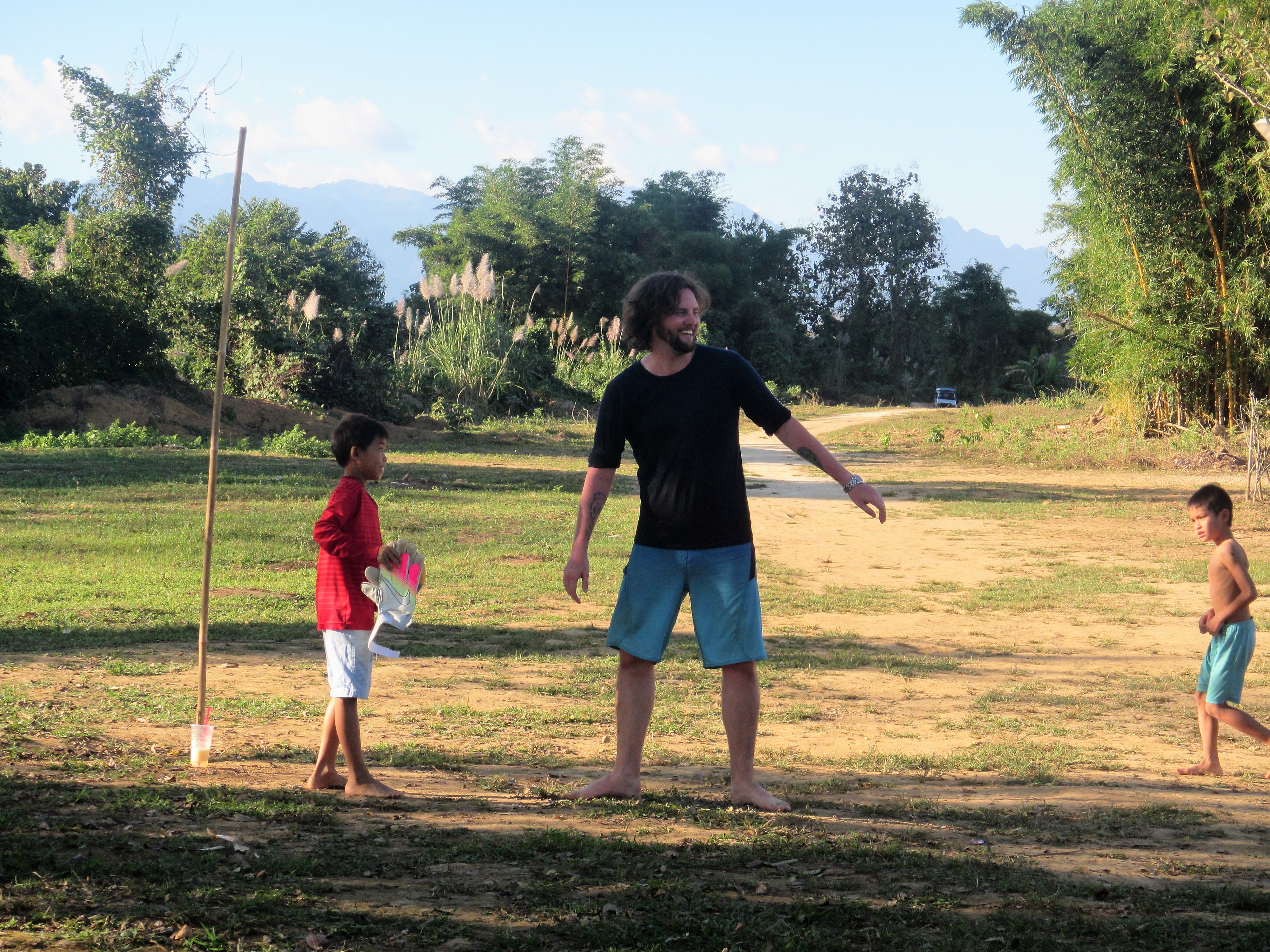
Dave found something to do right away: There were kids around who wanted to play soccer!

Travelling does something strange to nomads like me. When you visit all these different places, certain ones really stick with you. Kratie in Cambodia, Chiang Mai in Thailand, Goa in India… These places somehow manage to steal a piece of your heart, and they leave you feeling homesick for them, even if your time there was short. Vang Vieng is now a part of that list. I will always remember it and always feel drawn to it.

I hope one day we can go back and see Vang Vieng again. Until then, I have plenty more to look forward to!

Next stop, Luang Prabang!

Vivre Vientiane

South East Asia is one of my favourite places in the world. Cambodia and Thailand were both such fantastic experiences and Northern Vietnam lived up to the high expectations those experiences set. Now that I’m in Laos, I am sure: South East Asia should be on everyone’s bucket lists!

img_5663
Architecture is only 1 of the reasons why everyone should visit this part of the world!

Where to begin???
About Vientiane

Laos and the only landlocked country in South East Asia. Though it is poor, Laos has been gaining popularity with tourists due to it’s beautiful landscapes, fascinating history and its vast cultural treasures.

tumblr_inline_npa1eklxfu1rpp8w6_500

Vientiane is Laos’ capital city. The Mekong River flows through the city, dividing it from neighboring Thailand. Vientiane is a small city, with a population of less than a million (tiny by Asian standards!). Although many tourist blogs tell people not to bother visiting Laos’ capital, both Dave and I have really enjoyed our time here. There’s been lots to see, great food to enjoy and the people have been just awesome!


Patuxai Victory Monument

The main complaint people have about Vientiane is that there is ‘nothing to do there’. I disagree. As I’ve said countless times in the past, my favourite thing to do on holiday with my handsome husband is to rent motorbikes. We rented one for Vientiane and boy did it pay off!

Our first stop was the Patuxai Victory War Monument. This beautiful monument was built to commemorate all the people who died in Laos’ fight for freedom. Laos has been occupied on more than one occasion; most recently by France. That’s right…Laos was a French colony! You actually see French architecture and road signs all over the city.

The monument took 9 years to build, beginning in 1957 and the materials to make the structure were donated by the USA. China also donated a musical pond and Indonesia donated a Peace Gong for the park as well. It’s a nice place to take a stroll.

Inside the building you find a small market where you can buy souvenirs. Everything is very overpriced (35,000 kip for something that sells for 15,000 in a regular market), but nobody chases you down or tries pushing you into buying things, so it was a fine little place to take a break between flights of stairs.


Laos’ National Museum

Our next stop had to be indoors because the heat was pretty much unbearable. We head down to the National Museum where we learned about Laos’ ancient history and modern history. It was very interesting to see propaganda posters from the other side of the Vietnamese war!

I was a little bit surprised that the museum didn’t have anything about the bombing Laos endured during the Vietnam war. It’d be great if the museum offered information on that, and the gift shop would do well to sell trinkets made of UXOs. You find bottle openers, key chains and magnets made of these old bombs in the markets and proceeds are suppose to go towards disarming the nearly 78 million bombs that are still killing people in Laos every year. (Don’t worry Mom…the areas we are going have been thoroughly checked!!)
Temples

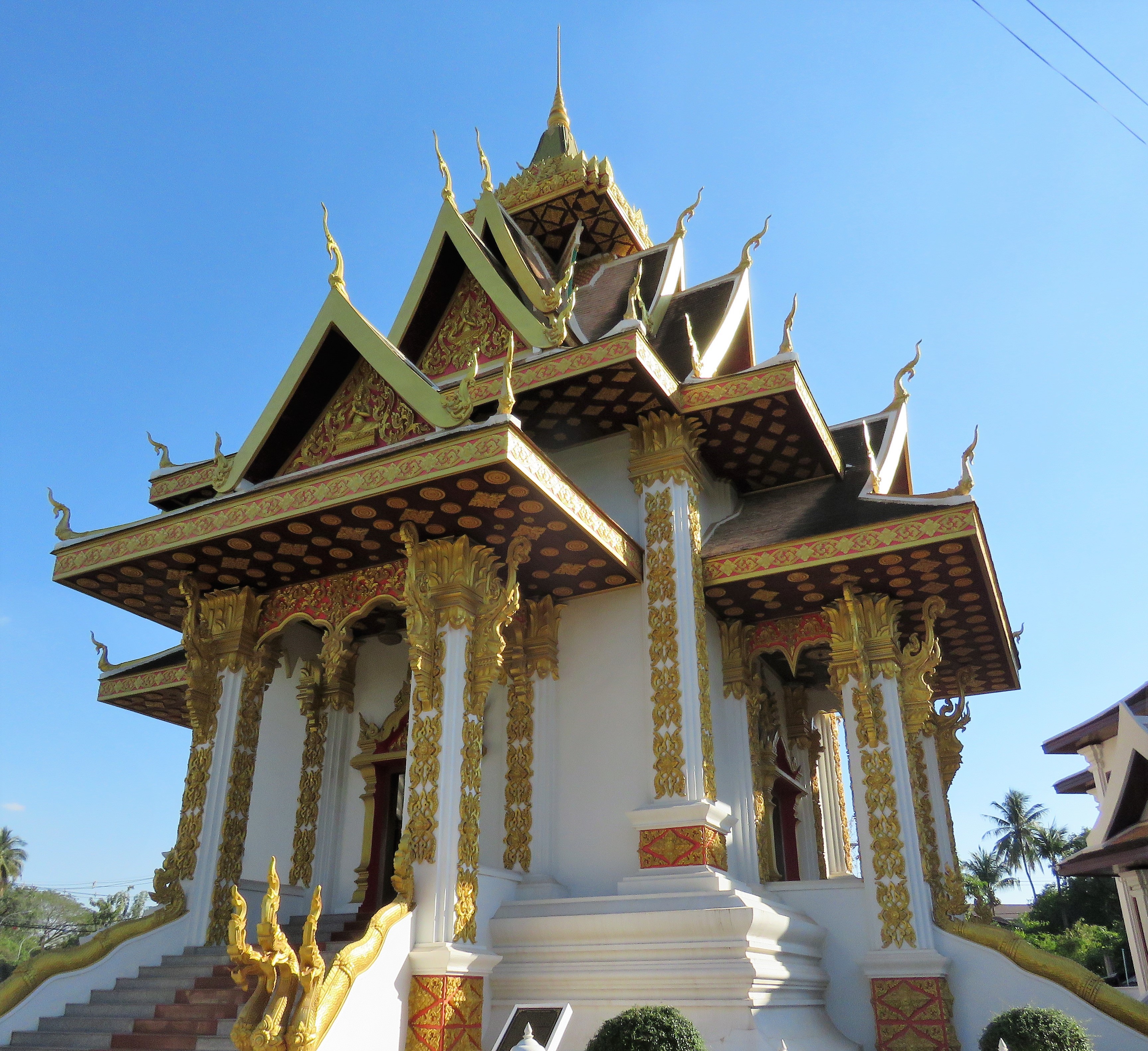
There are plenty of Temples to see in Vientiane. So many, in fact, that we didn’t even try to stop at all of them. We did see 2 though. Dave noticed right away that the architecture is quite different from temples in Thailand, Cambodia and India. I, of course, didn’t notice haha! They sure are pretty though!

The second ‘temple’ we saw was actually called the ‘City pillar’. I asked Dave why Winnipeg doesn’t have anything this cool…he reminded me that the snow and the cold would destroy it…


Buddha Park

The Buddha Park was definitely my favourite stop in Vientiane. Located 25km south east of the city, we would never have been able to see this cool place if we hadn’t rented a motorbike. The drive there was half the fun!

We entered the park and realized we were starving, so we began by eating a local snack. I have no idea what it’s called, but it had some sort of coconut in it. It was delicious!

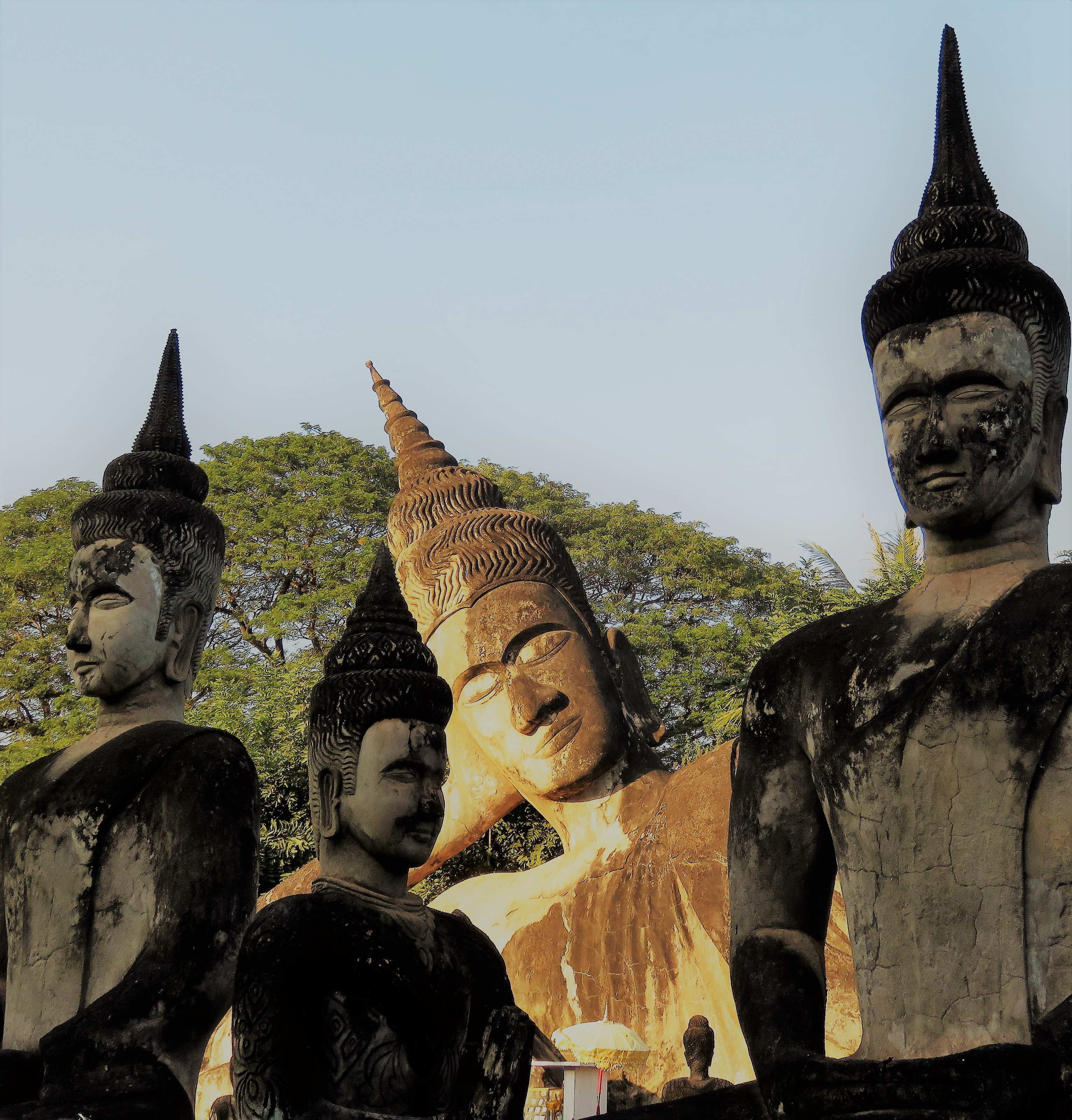
The first thing you see when you enter the park is the giant reclining Buddha. He’s beautiful. We were there just before the sun started going down too, so the light reflected off of his face, making him look like he glows.

There are various other statues around. The buddhas are made to look old, but they are actually quite new. The park was built in 1958, and it has mythology from both Hinduism and Buddhism. I personally enjoy Buddhist art more, as it’s less extreme. Hinduism is sure spectacular, though!

It’s really neat seeing the mixture of cultures. Buddhism and Hinduism actually have quite a few of the same roots, which is interesting. An hour in the park is all you really need, and I’d say it’s well worth the trip out there. It’s definitely one of the most bizarre things we’ve experienced in Asia!

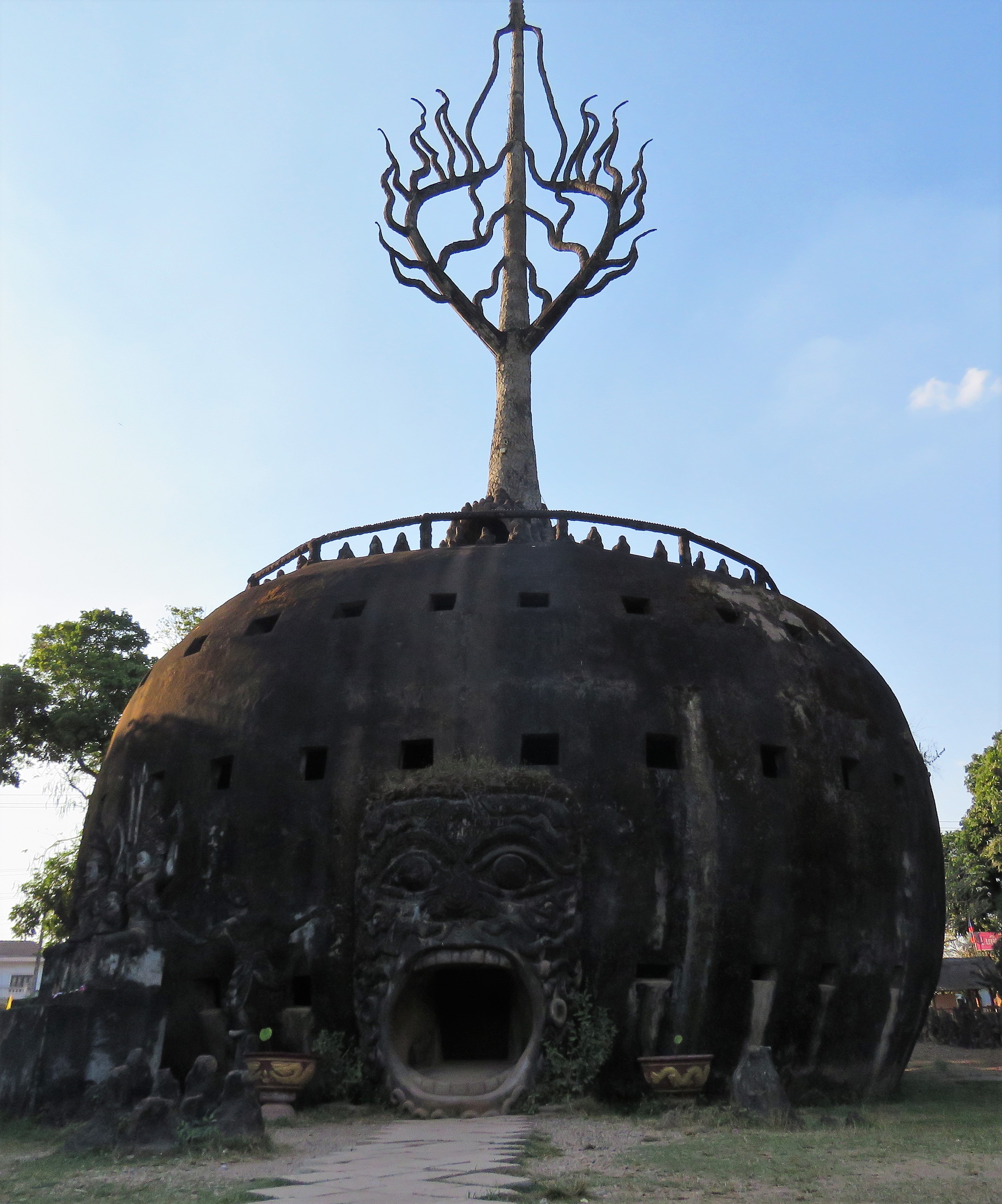
Without a doubt, the strangest thing in the park is the gourd, or pumpkin.

img_5720

It’s suppose to represent Heaven, Earth and Hell…I’m not sure about the first 2, but the 3rd one is definitely depicted. The inside is full of creepy art and scary staircases. I actually hated it in there and got out as soon as I could. Dave made it up to the top for some pictures….

The ride back was also beautiful. I really enjoyed the parties that were going on everywhere! Lao people like loud music and dancing, we learned! When I’m back home, I’ll be sure to stitch together some videos, but for now, some pictures of the parties will have to suffice!


Around Vientiane

Dave found a Geo Cache while we were here, which was pretty cool. It was in at an old stupa that reminded me of ruins of Ayutthaya. The sight is called That Dam or The Black Stupa. It’s said to contain relics of the Buddha and legend has it that it was once covered in gold. Unfortunately, it was attacked and pillaged by Siam in this legend (which some say is history…the line can be blurred) and that the Thais stole all the gold, leaving behind this black mound of brick in its place.

Vientiane really is a charming place. From the night market, to the Mekong Exercise clubs, it was all a very nice way to spend a couple of days. I definitely suggest renting a motorbike and I absolutely suggest that you try as much Laotian food as possible, because WOW it’s fantastic! And of course, enjoy some BeerLaos when you’re here!

Our next stop is Vang Vieng!! Stay tuned!

Ha Long – How Beautiful

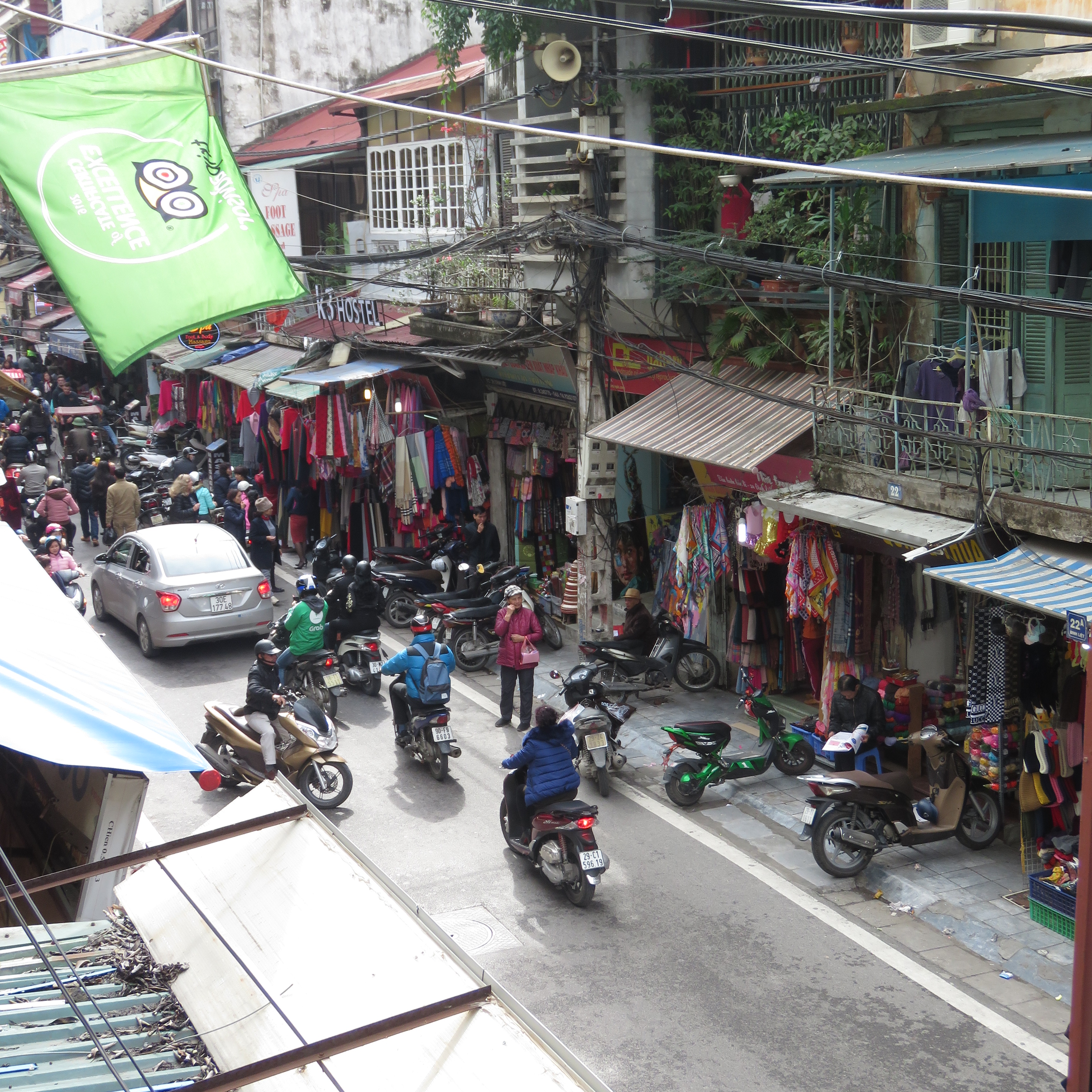
The first leg of our holiday is coming to an end. At 5:20pm today we fly to Vientiane; the capital of Laos. I must say, I’ve fallen deeply in love with Northern Vietnam. I just finished the best bowl of soup of my life; Chicken Pho to rival grandma’s best noodle soup. The rice noodles are light and delicious, and the fresh lime sits at the top of the soup, too light to sink, and coats every noodle in delicious fresh flavour. Now, I’m ordering my second Vietnamese coffee for the day. Dave pointed out just now that it tastes like Baileys, without the alcohol. He’s right. Motorbikes are zooming past us, and we’re eating on a balcony on some little side street of Hanoi’s old quarter. Life is good.

img_5485
My view during today’s lunch

Halong Bay – History and Modern Uses

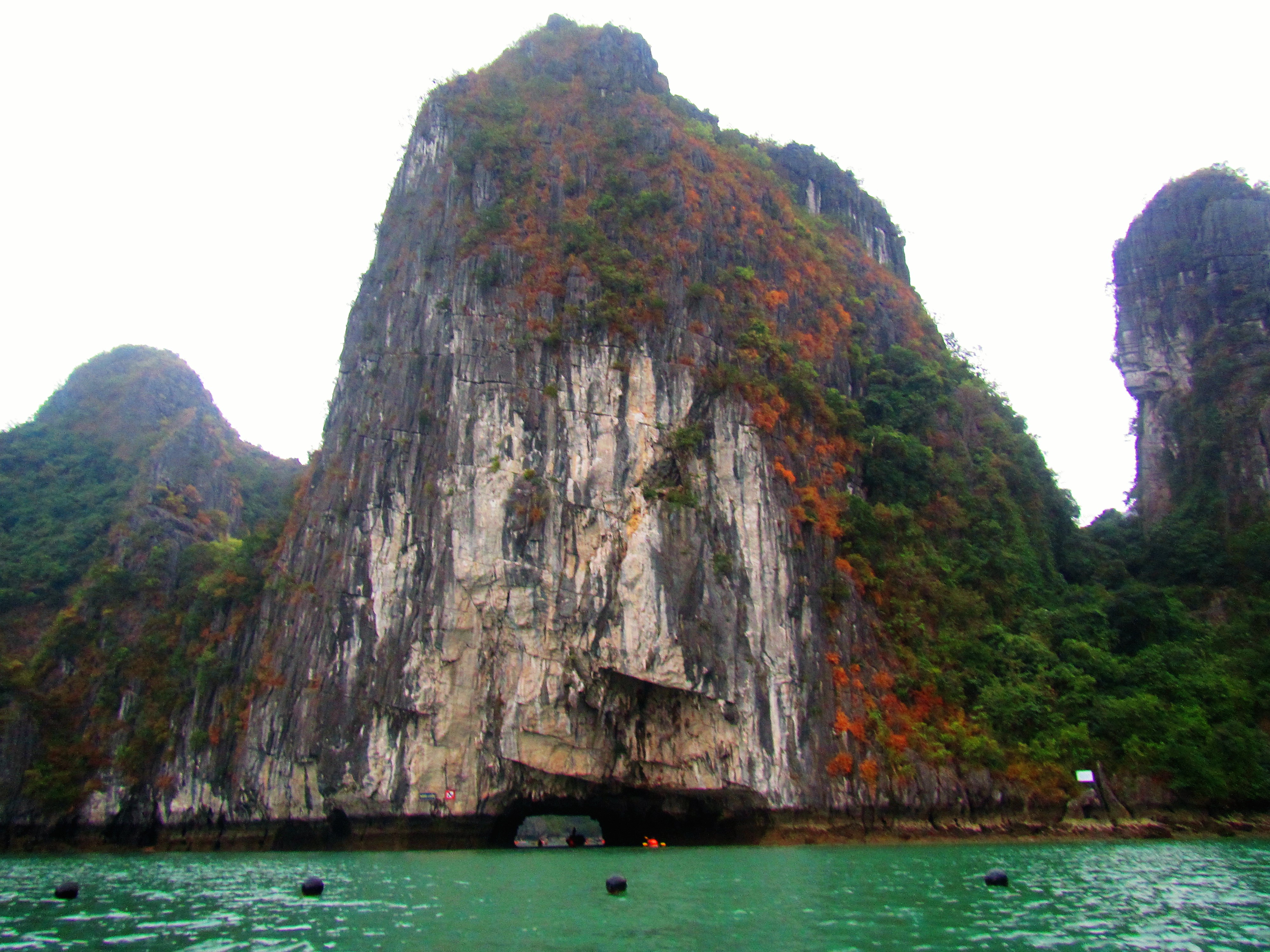
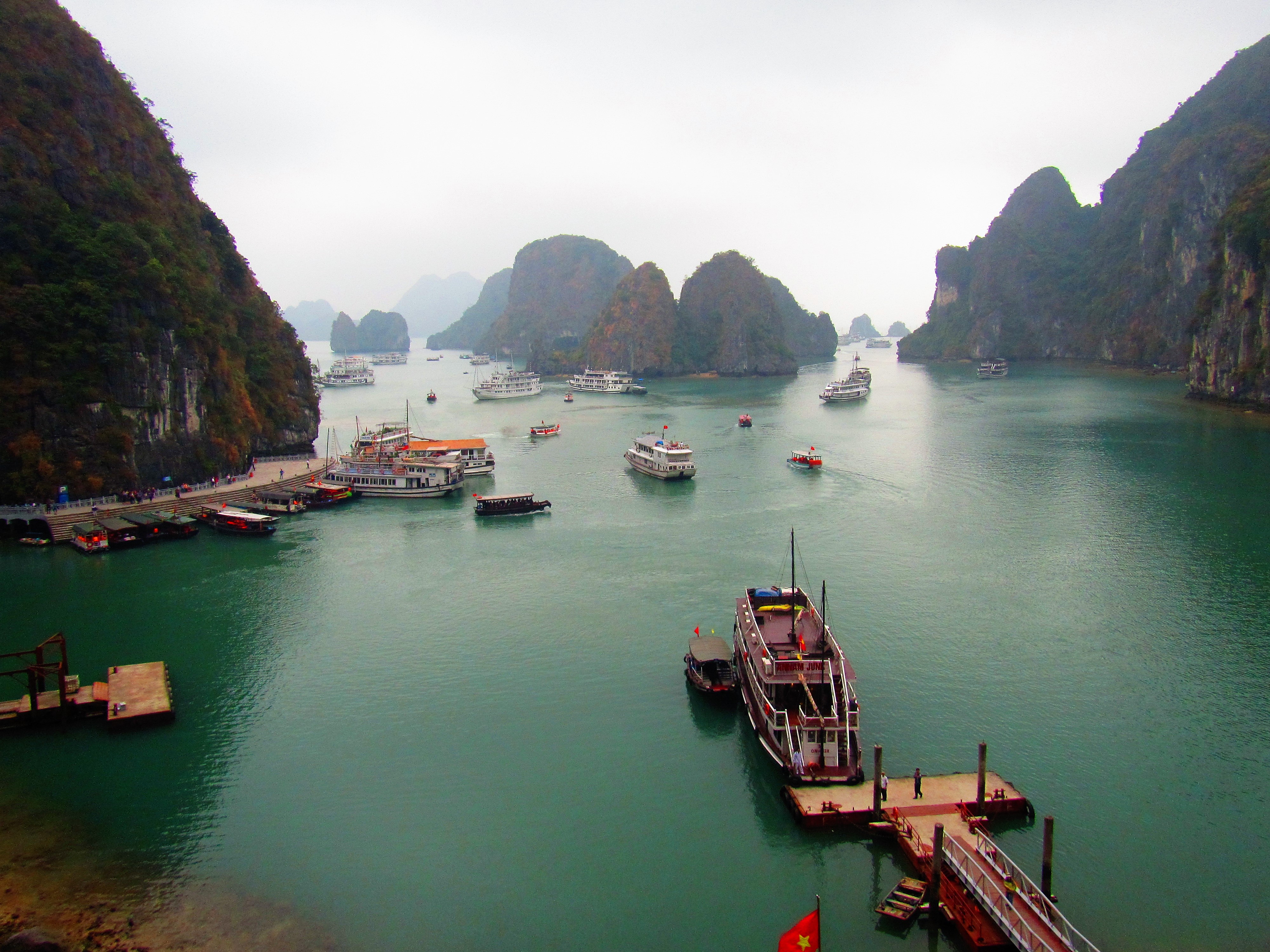
Last night we returned from 3 days in Halong Bay. Translated, it means ‘Descending Dragon Bay’, and it’s located in Northern Vietnam, about a 3.5 hour drive from Hanoi City. It’s famous due to its karst limestone landscape, 2000 islands and its many fishing villages.

map_vietnam

Historically, Ha Long Bay is significant. People have been living in the area for more than 20,000 years. The bay has also saved Vietnam from Chinese and Mongolian Invasion on more than one occasion. Now, it’s known for its beauty and tourists flock to Northern Vietnam to experience its gorgeous views.

img_0097
Views such as this one

Halong Bay Cruises

The primary way people choose to see the bay is through cruises. There are hundreds of choices to make when taking a Halong Bay cruise, we decided to go with a mid-range, 2 night trip with a night on Cat Ba Island. There are also day trips, 1 night trips and some people choose to spend the night on Monkey Island or other places in the area. 1 night on the boat was enough for me. I don’t know if it was because I was reading Life of Pi, or if the boat noises kept me up, but either way, I didn’t get much sleep during our night on that Vietnamese Junk.

Our boat was comfortable enough. We had a comfortable bed and a nice little bathroom to ourselves. The cabin was small, but space isn’t something I expect in Asia, so that was no surprise. We had a fan that worked and an air conditioner that didn’t, and all in all, it was a cool way to spend a night in Halong Bay!


Activities During The Cruise

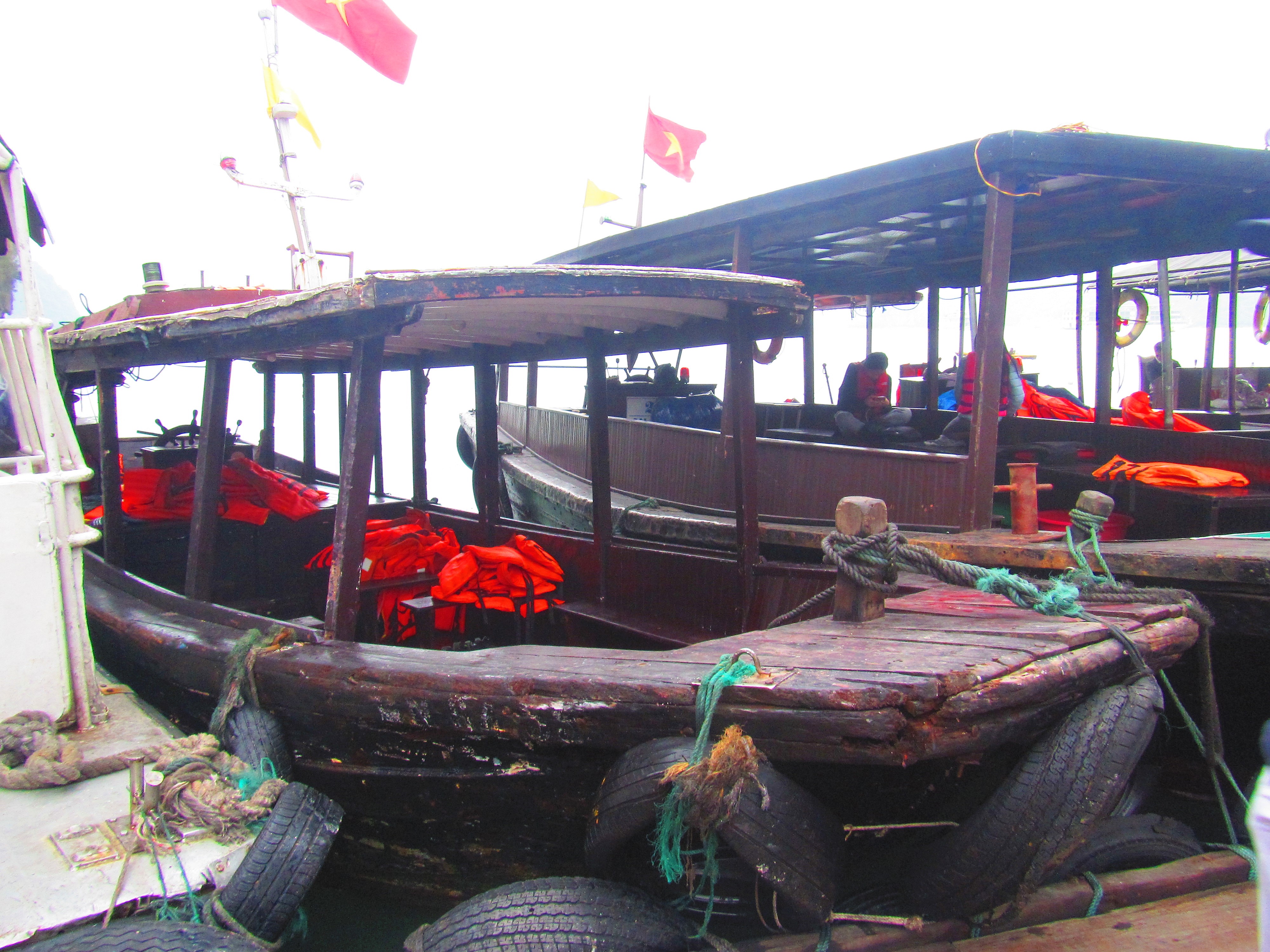
I feel like we spent all 3 days getting on and off boats for different activities. There were a variety of things to do, including kayaking, exploring a cave, visiting a Pearl farm, visiting Monkey Island and floating past a fishing village. All were interesting in their own way.

img_0047
The little boat we took to each excursion

Kayaking was probably the most beautiful of all our stops, but the weather made it less enjoyable than it could have been, but still…being on the water was very nice. This activity made me very happy that I still have a water-proof camera 🙂

We visited a huge cave shortly after kayaking as well. It was beautiful and had some pretty spectacular views.

Day 2 began at a Pearl Farm, where locals have found ways to get oysters making pearls in a sustainable way. It was an educational stop! We learned how pearls are artificially implanted to produce real pearls. This is much better for oyster populations, because before this process was discovered, oysters were found in the wild, opened up and killed just on the off-chance they were carrying pearls.

Monkey Island was our last stop before Cat Ba Island. There’s no surprise regarding what we found there…Dave also went hiking up a steep mountain. He didn’t take any pictures (because, of course he didn’t :p), but he did scrape up his leg on the jagged rocks. Vietnam doesn’t baby its tourists the way Thailand and Cuba does. They let you decide for yourself if you can do something. As a result, Dave saw 60+ year old grandparents hiking up the mountain on his way down.


Cat Ba Island

As I mentioned earlier, our second night of the tour was not spent on a Junk. Instead, we went to one of the only islands in Halong Bay where people live: Cat Ba Island. Cat Ba island is home to about 13,000 residents, and its main purpose is hosting Ha Long Bay tourists.

As we came into the area, we passed a floating village, home to about 1000 people. These villages are an incredible sight, even when you’ve seen them before. We were able to see a floating village in Cambodia during the dry season. It was very cool seeing one completely afloat!

Once we checked into our hotel, we rented a motorbike and headed for Cat Ba’s most famous sight: Cat Ba National Park.

The park itself is quite nice. We didn’t see much for wild life, but I made some canine friends! Mostly, we were just happy to be out in the wilderness, enjoying the fresh air and the peace and quiet. The hike up was hard work, but it felt so good to get some good exercise in! I’ve been too busy this year to get to the gym, and my body was definitely not happy with me on the way up, but it was well worth the trip!

We stopped at a little shop at the end of the hike and ordered some iced coffees. We figured they’d probably be instant, given the location of the cafe, but this lovely Vietnamese woman made us fabulous Vietnamese iced coffee with fresh grinds and sweetened condensed milk!

img_5445

We spent the evening walking around and enjoying the town. I think my favourite part of this whole tour was Cat Ba island. I never really feel like I’m on a holiday with Dave until we’ve rented a motorbike! It was also nice not to have a guide following us around. We both enjoyed the freedom to explore the things we were interested in, at the pace we wanted.

Unfortunately, all good things come to an end, and before long, we were on our way back to Hanoi. We met some very nice people on the way back and it was great chatting with them and hearing their stories. We also learned how to make spring-rolls, which was fun.

It was a lovely trip and I’m very glad we made it! Halong bay is definitely a must-see for anyone travelling through south East Asia.

Next, I’ll be writing about our time in Vientiane, Laos! Exciting things are yet to come!!

laothingtodo2
Photo from vientienbackpackershostel.com

Cheers!